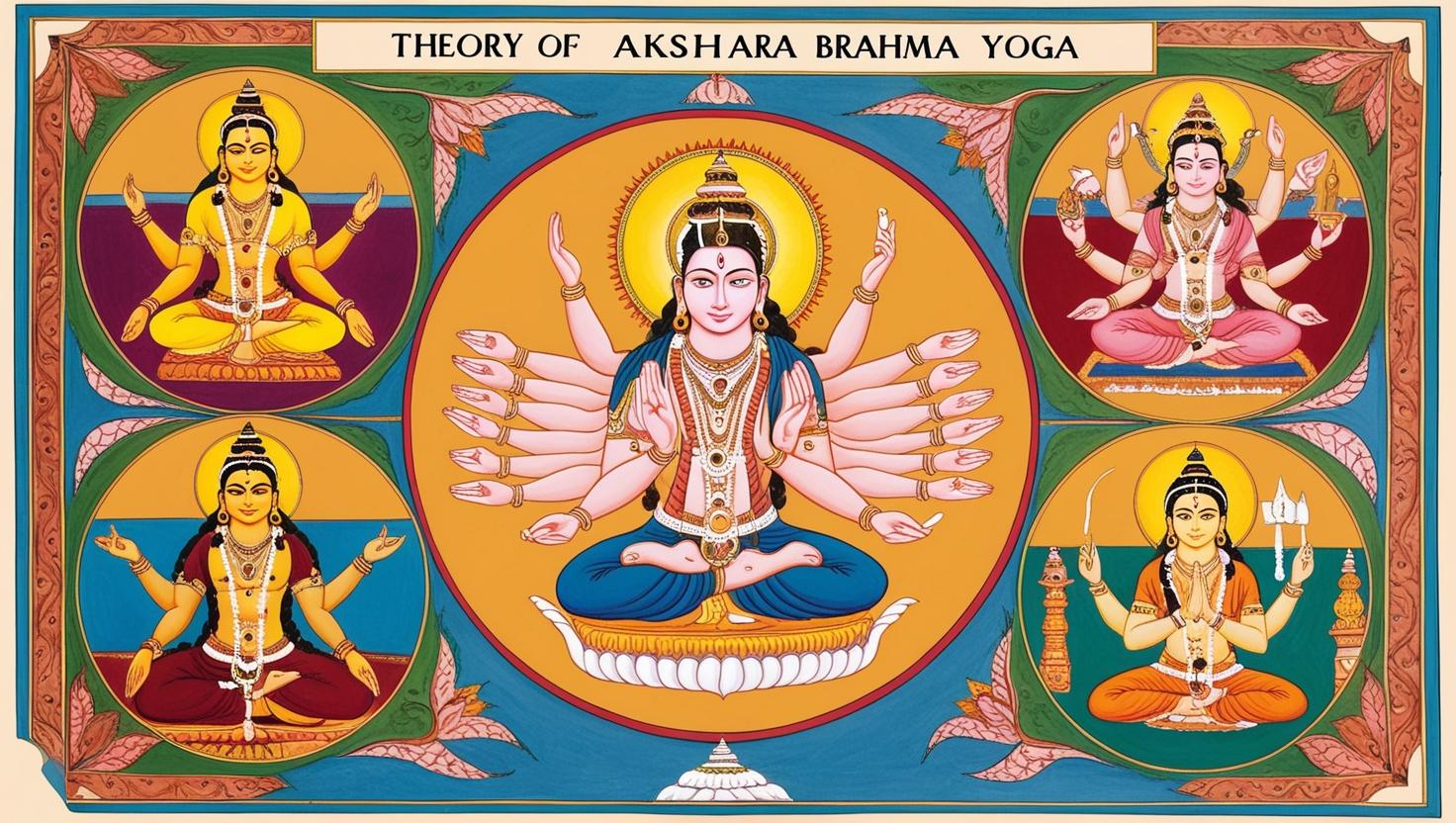
The Turning Point – Choosing the Eternal over the Ephemeral
In this powerful portion of the Kathopanishad, Nachiketa receives the sacred fire-ritual teachings as his second boon. For his third boon, he poses the ultimate spiritual question: “What happens after death?” Yama initially tries to dissuade him by offering long life, wealth, heavenly pleasures, and worldly powers. However, Nachiketa, unwavering in his resolve, refuses all temptations, declaring that these pleasures are fleeting and incapable of granting lasting fulfillment. This section marks a key turning point where the sincere seeker, Nachiketa, rejects impermanence and chooses the eternal truth—setting the stage for profound teachings on the Self. For More Information Click Here

Nachiketa’s Spiritual Determination
Verse 15
Yama praises Nachiketa’s understanding and confirms the fire ritual taught to him will be named “Nachiketa Agni”, ensuring spiritual merit.
Verse 16
Yama elaborates the benefits of knowing and performing the fire sacrifice—it leads to attainment of the heavenly world free from sorrow.
Verse 17
Yama declares the fire as the foundation of the cosmos, linking sacrifice, cosmic order, and immortality.
Verse 18
Having fulfilled the second boon, Yama now invites Nachiketa to choose the third, offering him a wide range of boons.
Verse 19
Nachiketa asks his third boon: “Some say the Self exists after death, others deny it. Please tell me the truth.”
Verse 20
Yama hesitates, saying this question has confounded even the gods—it is subtle and profound. He urges Nachiketa to choose another boon.
Verse 21
Nachiketa insists. He says Yama alone can answer this, and no boon can be greater than knowing the truth about the Self.
Verse 22
Yama tempts Nachiketa with long life, sons, wealth, cattle, and fame—anything other than the knowledge of death.
Verse 23
Yama continues: even celestial pleasures—unattainable by mortals—can be his. But he must give up the question of the Self.
Verse 24
Nachiketa remains unmoved, declaring that all such pleasures decay and cannot satisfy the soul; they distract from the eternal truth.
Verse 25
He says: “Life is short. Keep your wealth. Only Self-knowledge can reveal what lies beyond death—this is what I seek.”
Verse 26
Nachiketa adds: “Even heavenly enjoyments wear out the senses. Only the Eternal can fulfill. This is my unwavering request.”
Verse 27
He continues: “Man cannot be satisfied by wealth alone. Tell me, what remains after death?”
Verse 28
He affirms his commitment: “You promised three boons. I’ve accepted the first two. Let this final boon be granted—nothing else will suffice.”
Verse 29
Yama, seeing Nachiketa’s firm dispassion and discernment, praises him as a true seeker worthy of the highest knowledge. For More Information Click Here

Adi Shankaracharya’s Insights – Discrimination, Dispassion, and the Desire for Truth
Shankara interprets these verses as a clear portrayal of a qualified seeker (adhikārī)—Nachiketa displays the fourfold qualities essential for Self-knowledge:
-
Viveka (discrimination between eternal and non-eternal)
-
Vairāgya (dispassion toward sensory pleasures)
-
Śamādi ṣaṭka sampatti (control of mind and senses)
-
Mumukṣutva (intense longing for liberation)
When Yama tempts Nachiketa with celestial enjoyments and vast riches, Shankara emphasizes the brilliance of Nachiketa’s refusal—he understands that all worldly pleasures are anitya (impermanent) and cannot lead to moksha. Shankara points out that even svarga (heaven) is within samsara and cannot be the final goal.
Yama’s reluctance is seen as a test—only the steadfast and discerning are eligible for Brahma-vidyā (knowledge of the Self). Shankara highlights how Nachiketa passes this test, showing that Self-knowledge must be sought with sincerity and the willingness to give up all lesser desires. For More Information Click Here

Conclusion
In these concluding verses of Section 1, Nachiketa stands as the ideal Upanishadic student—unmoved by wealth, power, or even celestial joys. His resolve to know the truth of existence beyond death sets him apart from ordinary seekers. Yama, recognizing this rare spiritual maturity, prepares to reveal the supreme knowledge of the Self. This section not only marks Nachiketa’s inner victory over temptation but also reaffirms the Upanishadic message: only one who renounces the ephemeral can receive the Eternal.
Join Our Classes:
The Upanishads are more than just ancient texts—they are timeless guides to living with clarity, balance, and inner peace. Our classes make their profound wisdom easy to understand and apply in everyday life. Join us to explore these teachings and discover a new way of seeing yourself and the world!