The Path of the Wise – Choosing the Good Over the Pleasant
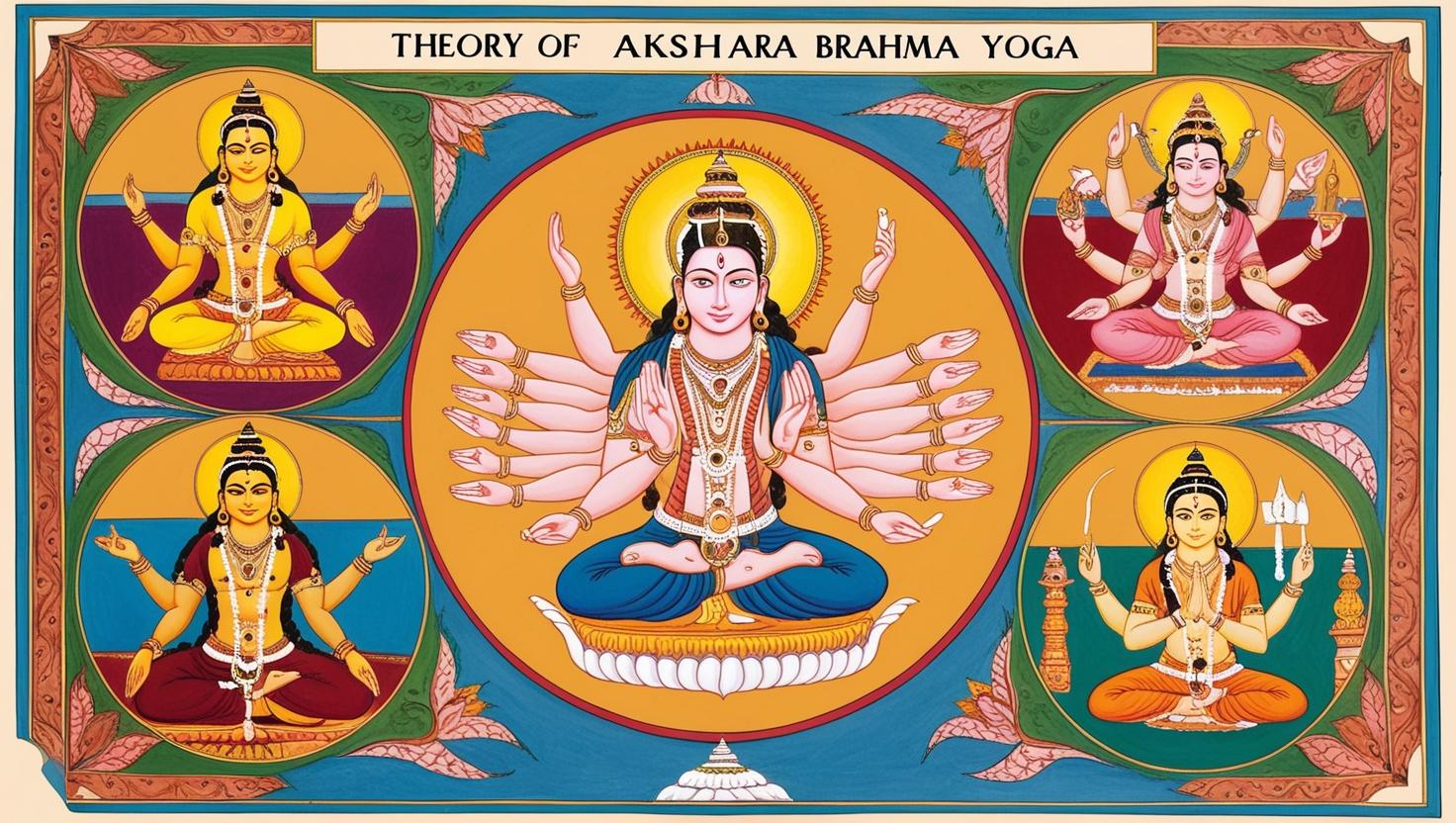
In this section, Yama begins his profound teaching by laying out the foundational distinction between the path of śreyas (the good) and preyas (the pleasant). He praises Nachiketa for choosing the good, despite being offered all possible worldly pleasures. Yama explains that the ignorant remain caught in worldly desires, mistaking the body for the Self, while the wise discern the truth and seek Self-knowledge. This teaching emphasizes the rarity of true discrimination and the difficulty of attaining knowledge of the Self. Only the one endowed with clarity, dispassion, and sincere aspiration—like Nachiketa—can grasp this subtle truth. For More Information Click Here
Discerning the Eternal from the Ephemeral
Verse 1
Yama says: Both śreyas (the good) and preyas (the pleasant) present themselves to every person. The wise choose the good; the ignorant choose what seems pleasant.
Verse 2
Foolish people, caught in the love of pleasure and wealth, miss the path to the Eternal. They remain bound in the cycle of birth and death.
Verse 3
This Self cannot be understood by mere study or logic. Only one who is chosen by the Self (graced by It) can know It truly.
Verse 4
To the ignorant, the Self appears as though it doesn’t exist. To the rare wise one, who seeks deeply and with discrimination, the Self reveals itself.
Verse 5
This Self is subtler than the subtlest and beyond reasoning. It is known only by those with a deeply concentrated and purified mind.

Verse 6
Even if one hears about the Self from a competent teacher, it is difficult to comprehend unless one is truly earnest and receptive.
Verse 7
Yama praises Nachiketa again—saying he has found a teacher like him and is steadfast in his quest. Therefore, the Self will be revealed to him.
Verse 8
Yama emphasizes: I know that the treasure sought by Nachiketa is beyond worldly desires, unlike the goals of rituals and sense pleasures.
Verse 9
Many remain deluded by ritualistic pursuits, thinking they are the highest good. These lead only to temporary results, not liberation.
Verse 10
The Self is beyond both cause and effect, beyond past and future. Realizing this eternal Self is the highest purpose of life. For More Information Click Here
Adi Shankaracharya’s Insights – The Rare Discriminating Seeker
Shankara interprets this section as a profound teaching on discrimination (viveka) and eligibility for Self-knowledge. The contrast between śreyas and preyas is essential in Advaita Vedanta. He explains:
- Preyas includes all sense pleasures, power, wealth, and ritualistic attainments (karma-phala), which are impermanent and bind one to samsāra.
- Śreyas is the pursuit of Self-knowledge (ātma-vidyā), which leads to liberation (mokṣa).
Shankara notes that only a qualified disciple—one with dispassion (vairāgya) and a clear longing for liberation (mumukṣutva)—can truly grasp this teaching. He underscores that Self-knowledge cannot be obtained by mere logic or scriptural study alone. It requires a competent teacher (śrotriya brahma-niṣṭha) and a purified, single-pointed mind.
He highlights Yama’s words about grace—that the Self is known only to whom It chooses—as symbolic of the idea that Self-realization is not an intellectual achievement but a spiritual awakening, arising from both effort and divine grace. For More Information Click Here
Conclusion
This section of the Kathopanishad reinforces the timeless truth that liberation is not for the complacent but for the courageous—those who dare to reject the glitter of the world in favor of inner truth. Nachiketa’s commitment to the eternal inspires Yama to begin unfolding the supreme teaching. In doing so, the Upanishad not only outlines the qualities of a true seeker but also emphasizes the subtle and sacred nature of Self-knowledge, attainable only through purity, discrimination, and surrender.
Join Our Classes:
The Upanishads are more than just ancient texts—they are timeless guides to living with clarity, balance, and inner peace. Our classes make their profound wisdom easy to understand and apply in everyday life. Join us to explore these teachings and discover a new way of seeing yourself and the world!