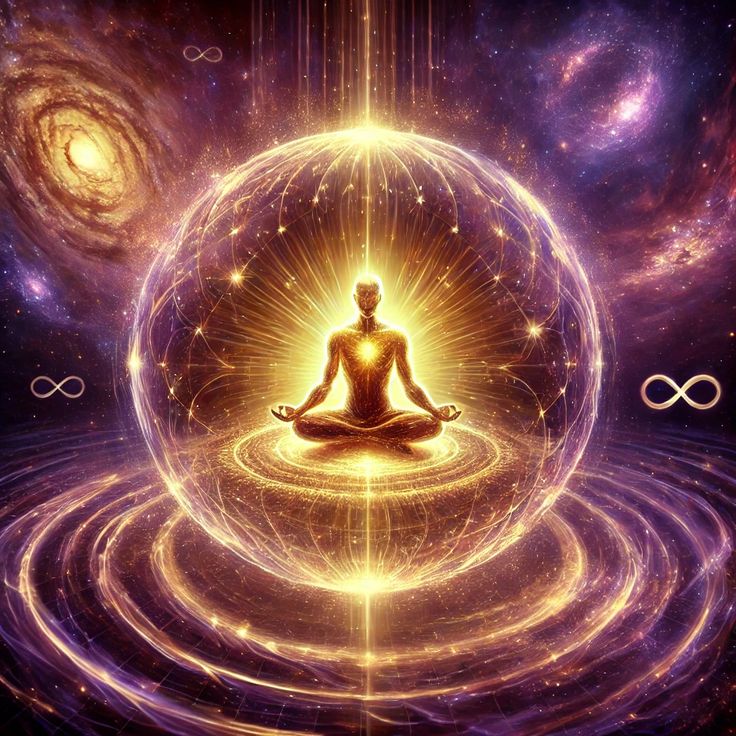
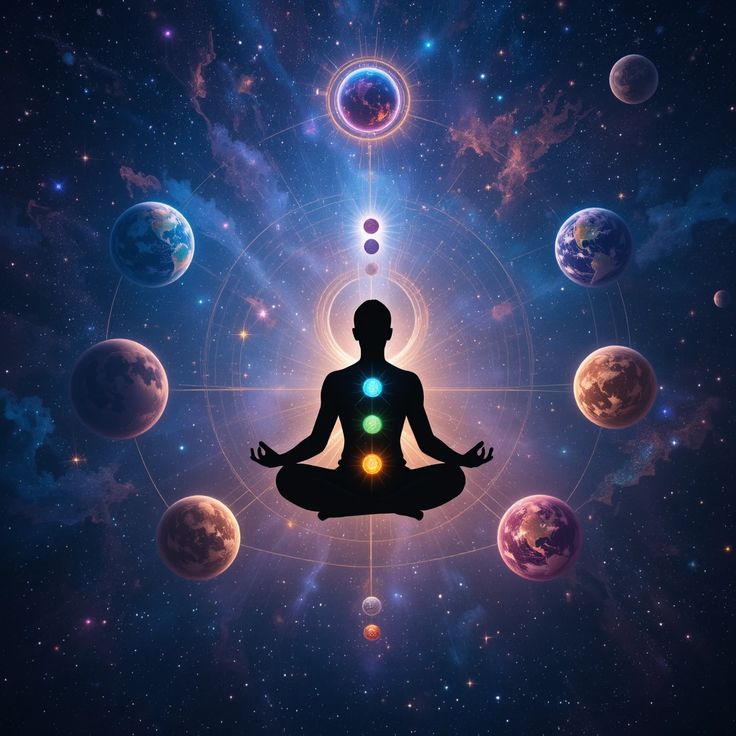
Kṣetra Meditation (Verses 1–20) – A Detailed Overview
Introduction
The Kṣetra Meditation is a contemplative practice rooted in Vedantic wisdom and guided by the teachings of the Bhagavad Gītā (Chapter 13 – Kṣetra–Kṣetrajña Vibhāga Yoga). The term Kṣetra means “field” (the body-mind complex), and Kṣetrajña means “knower of the field” (pure consciousness, the Self). These twenty meditative reflections (1–20) gradually train the seeker to recognize the body not as the Self, but as an instrument that can be observed. The goal is to shift from identification with the body to the realization of the witnessing Self (Ātman). This meditation helps bridge philosophy and practice: instead of only studying Vedanta, the seeker experiences Vedanta directly in meditation. Click Here To More Detail.

Themes of Kṣetra Meditation
1. Posture and Stability – The Foundation
The first step emphasizes sitting steadily and comfortably (sthira-sukham-āsanam – Yoga Sūtra). A still body naturally leads to a calmer mind. When the posture is upright and relaxed, awareness becomes more refined, creating harmony between physical, mental, and spiritual levels.
2. Body as a Tool, Not the Self
The meditator is guided to see the body as a breathing statue or instrument. Like a rider controls a horse, you control the body—but you are not the horse. By observing the body from within, a gap arises between “I, the observer” and “this, the observed body.” Click Here PDF.
3. Witness Consciousness (Sākṣī Bhāva)
The meditation deepens into realizing the truth: “I am the knower, not the known.” This shift leads to detachment from bodily conditions—pain, pleasure, youth, old age—because the witness remains untouched. This is the essence of “Kṣetrajña aham” (I am the Knower of the Field).
4. Scriptural Anchoring
- Bhagavad Gītā (13:2): “This body is the Field, and the Knower of the Field is the Self.”
- Katha Upaniṣad: “The body is the chariot, the intellect the charioteer, and the Self is the Lord seated within.”
These references remind the seeker that meditation is not an abstract exercise but rooted in timeless Vedantic truths.
5. From Identification to Liberation
By repeated practice, identification with the body loosens. The seeker recognizes: “I am not the body, not the mind, but pure, infinite consciousness.” This realization gradually dissolves bondage (saṁsāra) and reveals liberation (mokṣa). Click Here PDF.
Benefits of Kṣetra Meditation
1. Mental & Emotional Benefits
- Reduces stress, anxiety, and restlessness by anchoring awareness in the Self.
- Cultivates detachment, reducing over-identification with bodily states.
- Brings inner calm, focus, and clarity of thought.
2. Spiritual Benefits
- Leads to Self-realization: the direct recognition that you are the eternal witness, not the perishable body.
- Aligns daily life with Vedantic truth, strengthening viveka (discrimination between real and unreal).
- Supports the path to mokṣa by breaking the cycle of attachment and suffering.
3. Cosmic & Universal Benefits
- Helps the meditator live with balance and compassion, seeing all beings as expressions of the same consciousness.
- Creates harmony between inner awareness and outer actions.
- Spreads peaceful vibrations into the environment, uplifting others too. Click Here PDF.

Why Study This Meditation?
Studying and practicing Kṣetra Meditation is vital because:
- It transforms intellectual knowledge into lived experience. Reading scriptures teaches concepts, but meditation makes them real.
- It helps overcome ahaṅkāra (ego) and deha-abhimāna (body-identification), which are the root causes of suffering.
- It strengthens the aspirant’s ability to face challenges without losing inner peace.
- It directly prepares the seeker for higher Vedantic inquiry, like “Who am I?” (Ātma Vichāra). Click Here PDF.
How Many Times to Study/Practice?
There are no rigid rules, but traditional guidance suggests:
- Once Daily (10–20 minutes): For beginners, to cultivate steady awareness.
- Twice Daily (Morning & Evening): For deeper integration and purification of the mind.
- Repetitions (11, 21, or 108 times): For mantra-like practice, where meditative reflection on “I am the witness, not the body” is repeated with conviction.
- Before or After Rituals: It can also be practiced before puja, japa, or study, to quieten the mind and invoke clarity. Click Here PDF.
Consistency matters more than duration—regular short sessions are better than long but irregular ones.

Conclusion
Kṣetra Meditation (Verses 1–20) is a profound Vedantic practice that takes the seeker from body-identification to Self-realization.
- It begins with physical stillness and body-awareness.
- It deepens into recognition of the Self as the witness (Sākṣī).
- It culminates in freedom from bondage and a glimpse of mokṣa.
By consistent practice, the seeker internalizes the teaching of the Gītā: “I am not the body, not the mind, but the eternal knower of the field.”
Join Our Classes:
The Kshetrajna are more than just ancient texts—they are timeless guides to living with clarity, balance, and inner peace. Our classes make their profound wisdom easy to understand and apply in everyday life. Join us to explore these teachings and discover a new way of seeing yourself and the world!