Introduction
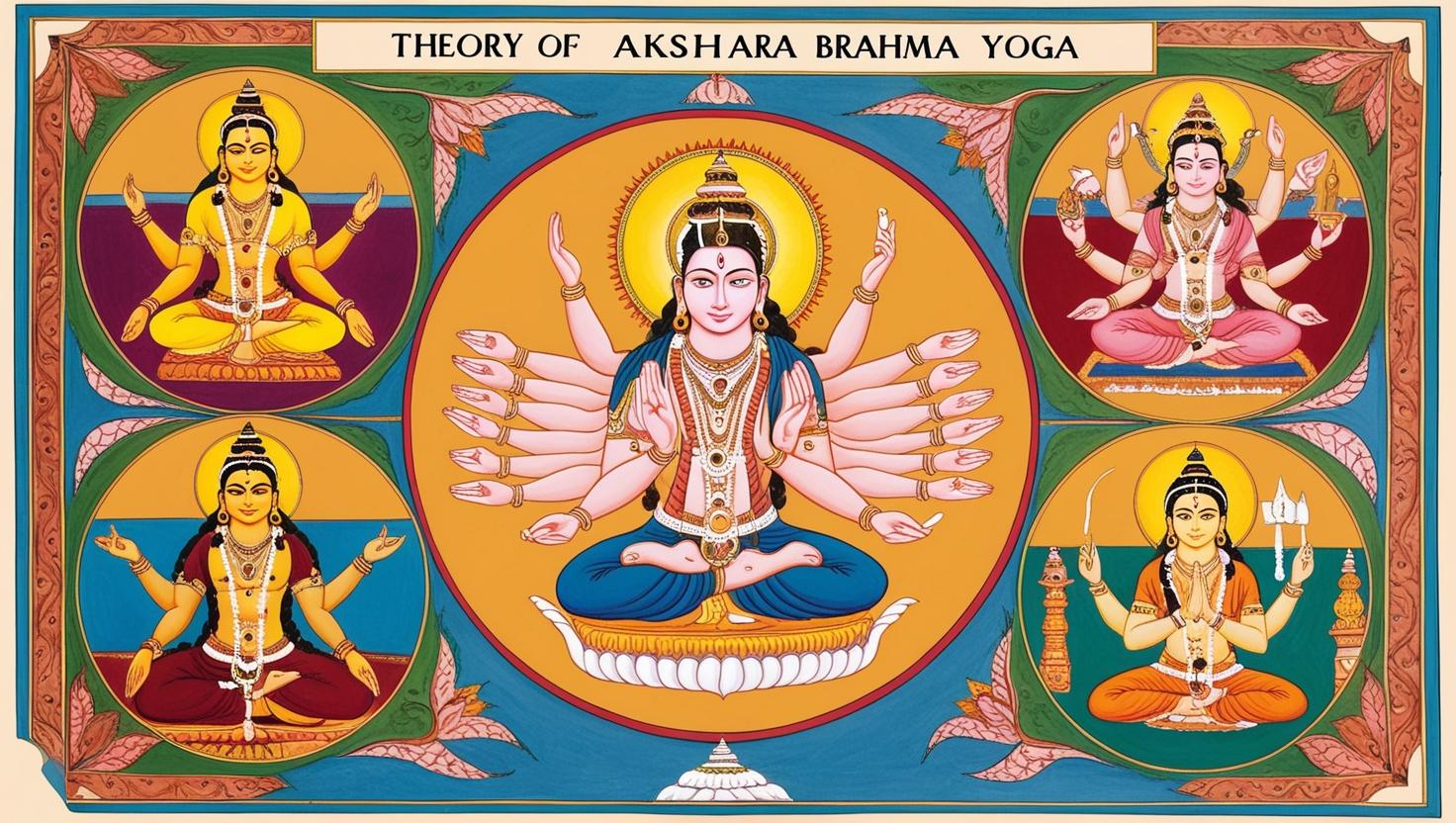
The Kauṣītaki Brāhmaṇa Upanishad, also known simply as the Kauṣītaki Upanishad, is one of the principal Upanishads, belonging to the Rigveda. It is slightly longer than many other classical Upanishads, consisting of four chapters (adhyāyas). The text deals with profound metaphysical questions about the Self (Ātman), the nature of consciousness, and the path of the soul after death. It discusses the relationship between the individual soul (jīva) and the supreme reality (Brahman), highlighting the primacy of consciousness as the essence of existence. Unlike the very brief Īśa Upanishad, the Kauṣītaki is more discursive and explanatory, weaving together cosmological reflections, dialogues, and meditative teachings. Click Here To More Detail.

Themes
Primacy of Consciousness
The Upanishad declares that prāṇa (vital breath) and consciousness (prajñā) are the true essence of the Self, surpassing speech, mind, and the senses. Consciousness is identified as Brahman itself.
The Path After Death
A significant portion describes the journey of the soul after death. Those who realize the Self ascend by the “path of the gods” to union with Brahman, while others take lower paths of rebirth.
Unity of Ātman and Brahman
The text stresses the identity of the individual self with the cosmic Self. By realizing that “Consciousness is Brahman” (prajñānam brahma), one transcends fear, ignorance, and mortality.
Worship and Meditation
The Upanishad integrates ritual elements but emphasizes that their deeper meaning lies in knowledge (vidyā) and meditation on the Self, not mere performance.
Ethical and Spiritual Conduct
It teaches that spiritual progress is not opposed to worldly duties but requires purity, truthfulness, and awareness of the Self in all actions. Click Here To Kausitaki Upanishad.

How to Study It
- Read commentaries from Advaita Vedānta and other traditions, which interpret its teachings on prāṇa and prajñā.
- Meditate on consciousness: reflect on the Upanishad’s central teaching that prajñā (awareness) itself is Brahman.
- Compare with other Upanishads: for example, contrast its emphasis on prāṇa with the Chāndogya’s stress on being (sat) or the Bṛhadāraṇyaka’s focus on neti-neti (not this, not this).
- Reflect on the path of the soul: study its description of the afterlife in relation to karma and rebirth.
- Apply in life: cultivate mindfulness of consciousness as the foundation of existence and live ethically with awareness of the unity of Self and Brahman. Click Here To Kausitaki Upanishad.
Why Study It
- It highlights consciousness as the essence of reality, a theme resonant with both spiritual seekers and modern philosophical thought.
- It provides one of the clearest early statements of the identity of prajñā (consciousness) and Brahman.
- It integrates ritual, meditation, and philosophy, making it accessible to both householders and renunciates.
- Its teachings on the soul’s journey after death illuminate ancient Indian perspectives on immortality and liberation.
- It lays a foundation for later Vedāntic debates on the primacy of consciousness, knowledge, and the Self. Click Here To Kausitaki Upanishad.
Conclusion
The Kauṣītaki Brāhmaṇa Upanishad is a profound scripture that elevates consciousness (prajñā) as the ultimate reality and the key to liberation. By teaching the unity of the individual Self and Brahman, it guides the seeker beyond ritualism and intellectualism toward self-realization. Its reflections on life, death, and immortality make it not only a metaphysical text but also a practical guide for spiritual living. In affirming that awareness itself is divine, it offers a vision that is timeless and universal.
Join Our Classes:
The Upanishads are more than just ancient texts—they are timeless guides to living with clarity, balance, and inner peace. Our classes make their profound wisdom easy to understand and apply in everyday life. Join us to explore these teachings and discover a new way of seeing yourself and the world!