Chapter 1 – The Search for the Supreme Cause and the Discovery of Brahman
Chapter 1 of the Shvetashvatara Upanishad begins with profound questions on the origin and cause of the universe—whether it arises from time, nature, chance, or a conscious power. The sages conclude that behind all causes stands the supreme Self, the one divine reality that governs and sustains all. It introduces the concept of Maya, the mysterious power through which the One appears as many, creating the play of the three gunas—sattva, rajas, and tamas. The chapter emphasizes meditation and inner inquiry as the path to realizing this divine essence within oneself. When the seeker attains unity with the Self, ignorance and sorrow dissolve, revealing the radiant Brahman as the source of all. Thus, it lays the foundation for understanding God as both immanent and transcendent—the eternal cause behind creation. For More Information Click Here
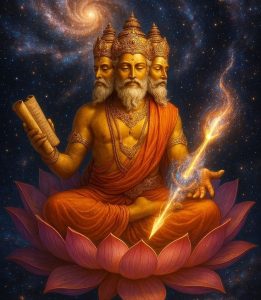
Theme and Importance of Chapter 1 – The Quest for the Ultimate Cause
Theme:
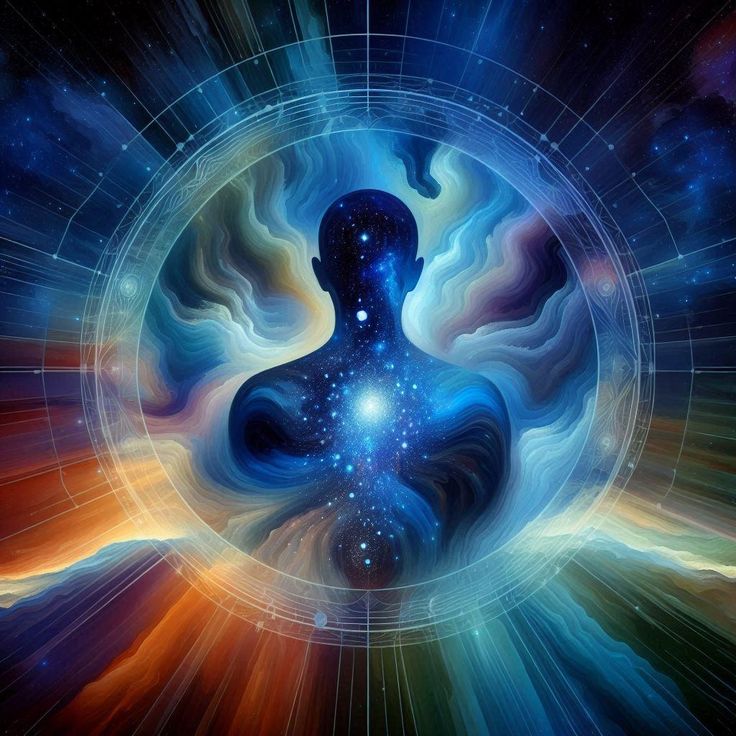
The central theme of Chapter 1 of the Shvetashvatara Upanishad is the quest for the ultimate cause of existence. It explores whether creation arises from nature, time, chance, or divine will, finally revealing that Brahman, the Supreme Self, is the sole cause and support of the universe. The chapter introduces Maya—the power of illusion—and the three gunas as the means by which the One manifests as the many. Through disciplined meditation and discrimination, the seeker realizes the divine Self as the inner ruler of all.
Importance:
This chapter is vital because it establishes the philosophical foundation of the Upanishad—the transition from inquiry into external causes to realization of the inner, spiritual reality. It also bridges Vedanta and Yoga, emphasizing meditation as the means to Self-knowledge. By identifying the individual soul (jiva) with the universal Self (Brahman), it sets the tone for the Upanishad’s later teaching on oneness, liberation, and divine realization. For More Information Click Here

Verse-by-Verse Single-Line Summary – Chapter 1
- The sages inquire into the cause of the universe—whether it is time, nature, chance, or a supreme being.
- None of these alone can explain creation; there must be a conscious, intelligent cause behind all.
- That eternal Brahman, the Self within all, is the source, sustainer, and end of the universe.
- The world, with its multiplicity, arises from the divine power of Brahman, manifesting as the three gunas.
- The supreme being governs the wheel of creation and the souls bound within it through Maya.
- The one Lord, hidden in all beings, directs everything from within as the inner controller.
- By knowing Him—the one without a second—all bonds of ignorance are destroyed.
- He is the cause of causes, the creator of both bondage and liberation through His power.
- This Lord pervades all directions, transcending name, form, and limitation.
- Through deep meditation, the wise perceive that eternal, blissful Self beyond darkness.
- The yogi, with purified mind, sees the divine light of consciousness within the heart.
- When the mind and senses are controlled, the radiant Self shines forth clearly.
- The Self is subtle, beyond the reach of the mind, yet realized through steadfast meditation.
- Those who see the divine Self within attain peace and immortality.
- The knower of Brahman sees the One as the essence in all beings and all beings in the One.
- Thus, the Upanishad concludes that realizing this inner Self leads to liberation and eternal bliss.
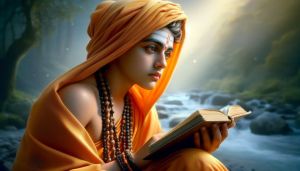
Shankaracharya’s Insights on Chapter 1 – Realization of the Supreme Cause
Adi Shankaracharya interprets Chapter 1 of the Shvetashvatara Upanishad as a profound inquiry (Brahma-jijnasa) into the ultimate reality underlying all existence. He explains that the sages’ questioning in the opening verses reflects the human search for the unchanging substratum behind the ever-changing universe. Rejecting material or accidental causes such as time or nature, Shankara affirms Brahman—pure consciousness—as the sole, intelligent cause and inner controller (antaryamin) of all. He clarifies that Maya is Brahman’s inscrutable power that projects multiplicity upon the one reality, while Brahman itself remains untouched and transcendent. Through dhyana (meditation) and viveka (discrimination), the seeker realizes the identity of the individual self (jiva) with Brahman, thereby dissolving ignorance and bondage. Shankara emphasizes that such realization is not conceptual but experiential—when the veil of Maya lifts, the self shines as the luminous, eternal Brahman, the source of peace and liberation. For More Information Click Here
Conclusion – The Essence of Chapter 1
Chapter 1 of the Shvetashvatara Upanishad concludes that the Supreme Brahman alone is the ultimate cause and inner reality behind the universe and all beings. Through inquiry, meditation, and self-realization, the seeker transcends ignorance and perceives the oneness of the Self with the Divine. The chapter establishes the foundation for the Upanishad’s spiritual journey—from questioning the nature of existence to recognizing the eternal, all-pervading consciousness as the truth of everything. It teaches that liberation is not gained through external means but through the direct knowledge of Brahman within the heart, leading to lasting peace and immortality.
Join Our Classes:
The Upanishads are more than just ancient texts—they are timeless guides to living with clarity, balance, and inner peace. Our classes make their profound wisdom easy to understand and apply in everyday life. Join us to explore these teachings and discover a new way of seeing yourself and the world!