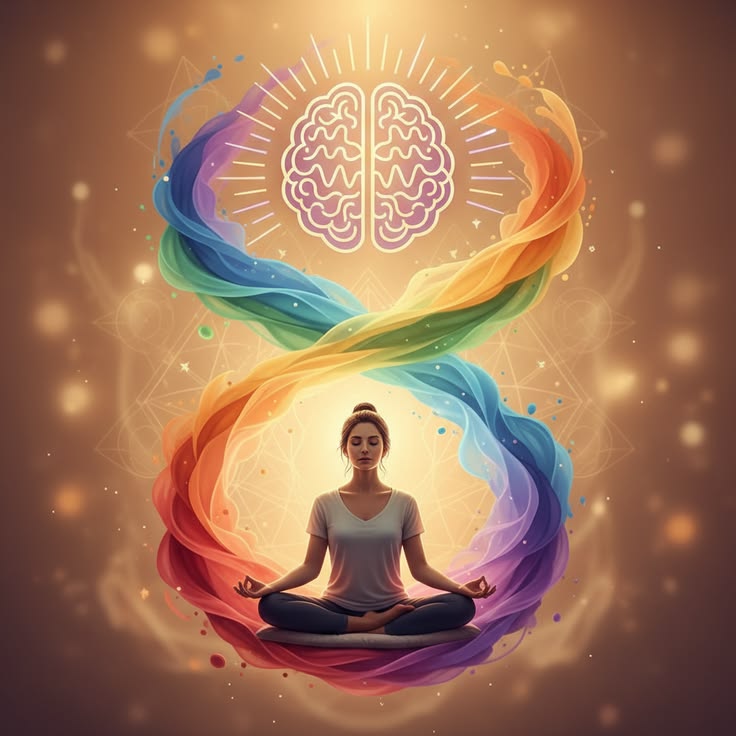
Chapter 5 – The Soul, Bondage, and the Path to Liberation
Chapter 5 of the Shvetashvatara Upanishad focuses on the individual soul (jiva), its bondage, and the path to liberation. It explains how desires, attachment, and the three gunas bind the soul to the cycle of birth and death. The chapter highlights the importance of renunciation, meditation, and knowledge as means to transcend these limitations. It teaches that by realizing the Self within and cultivating detachment, the seeker attains freedom from fear, sorrow, and ignorance. Ethical conduct, devotion, and control of the mind and senses are presented as essential preparatory disciplines. Ultimately, Chapter 5 reinforces that liberation comes through direct experience of the eternal, all-pervading Brahman, leading to supreme bliss. For More Information Click Here

Verse-by-Verse Single-Line Summary – Chapter 5
- The individual soul is bound by desires, ignorance, and the three gunas.
- Attachment to the body, mind, and sense objects causes suffering and bondage.
- The Self is eternal, but the soul perceives duality due to ignorance.
- Controlling the mind and senses purifies the seeker and prepares for realization.
- Meditation and devotion enable direct experience of the inner Self.
- The wise abandon attachment and focus on the eternal Brahman within.
- Knowledge of the Self destroys fear, sorrow, and worldly entanglements.
- Ethical conduct, self-discipline, and detachment are essential for liberation.
- The yogi perceives the unity of the individual soul with the universal Self.
- Realization of the Self leads to freedom from the cycle of birth and death.
- Brahman, as the inner witness and controller, guides all beings impartially.
- The enlightened one transcends duality, ignorance, and desires.
- The Self is subtle, formless, eternal, and the source of all bliss.
- Knowledge and realization of the Self culminate in liberation and supreme joy.
Shankaracharya’s Insights on Chapter 5 – Liberation Through Self-Knowledge
Adi Shankaracharya explains that Chapter 5 of the Shvetashvatara Upanishad focuses on the bondage of the individual soul (jiva) caused by desires, attachment, and ignorance. He emphasizes that while the Self is eternal and ever-free, ignorance makes the soul identify with the body, mind, and senses, leading to suffering. Shankara highlights that control of the mind and senses, ethical conduct, and detachment are essential preparatory steps for realizing the Self. Meditation and devotion (dhyana and bhakti) purify the seeker, enabling direct perception of the inner Brahman. By realizing the unity of the individual soul with the universal Self, one transcends duality, fear, and sorrow. Ultimately, Shankara teaches that Self-knowledge leads to liberation, supreme bliss, and freedom from the cycle of birth and death. For More Information Click Here
Importance of Chapter 5 – Overcoming Bondage and Attaining Liberation
Chapter 5 of the Shvetashvatara Upanishad is important because it addresses the soul’s bondage caused by desires, attachments, and the three gunas, providing practical guidance for spiritual liberation. It emphasizes that meditation, ethical living, self-discipline, and devotion are essential to purify the mind and prepare for Self-realization. By highlighting the identity of the individual soul (jiva) with the universal Self (Brahman), the chapter teaches that liberation is achieved through direct experiential knowledge, not through ritualistic or external means. It underscores the transformative power of knowledge and inner vision, showing that realization of the Self destroys fear, sorrow, and ignorance. The chapter also reinforces that liberation leads to freedom from the cycle of birth and death and attainment of eternal bliss. For More Information Click Here
Conclusion – Essence of Chapter 5
Chapter 5 of the Shvetashvatara Upanishad teaches that the individual soul’s bondage arises from desires, attachment, and ignorance, but liberation is possible through meditation, ethical conduct, and self-discipline. By realizing the unity of the individual soul with Brahman, the seeker transcends fear, sorrow, and worldly entanglements. The chapter underscores that true freedom and supreme bliss are attained not through external rituals, but through direct experiential knowledge of the eternal, all-pervading Self. This realization leads to mokṣa, the ultimate liberation from the cycle of birth and death.
Join Our Classes:
The Upanishads are more than just ancient texts—they are timeless guides to living with clarity, balance, and inner peace. Our classes make their profound wisdom easy to understand and apply in everyday life. Join us to explore these teachings and discover a new way of seeing yourself and the world!