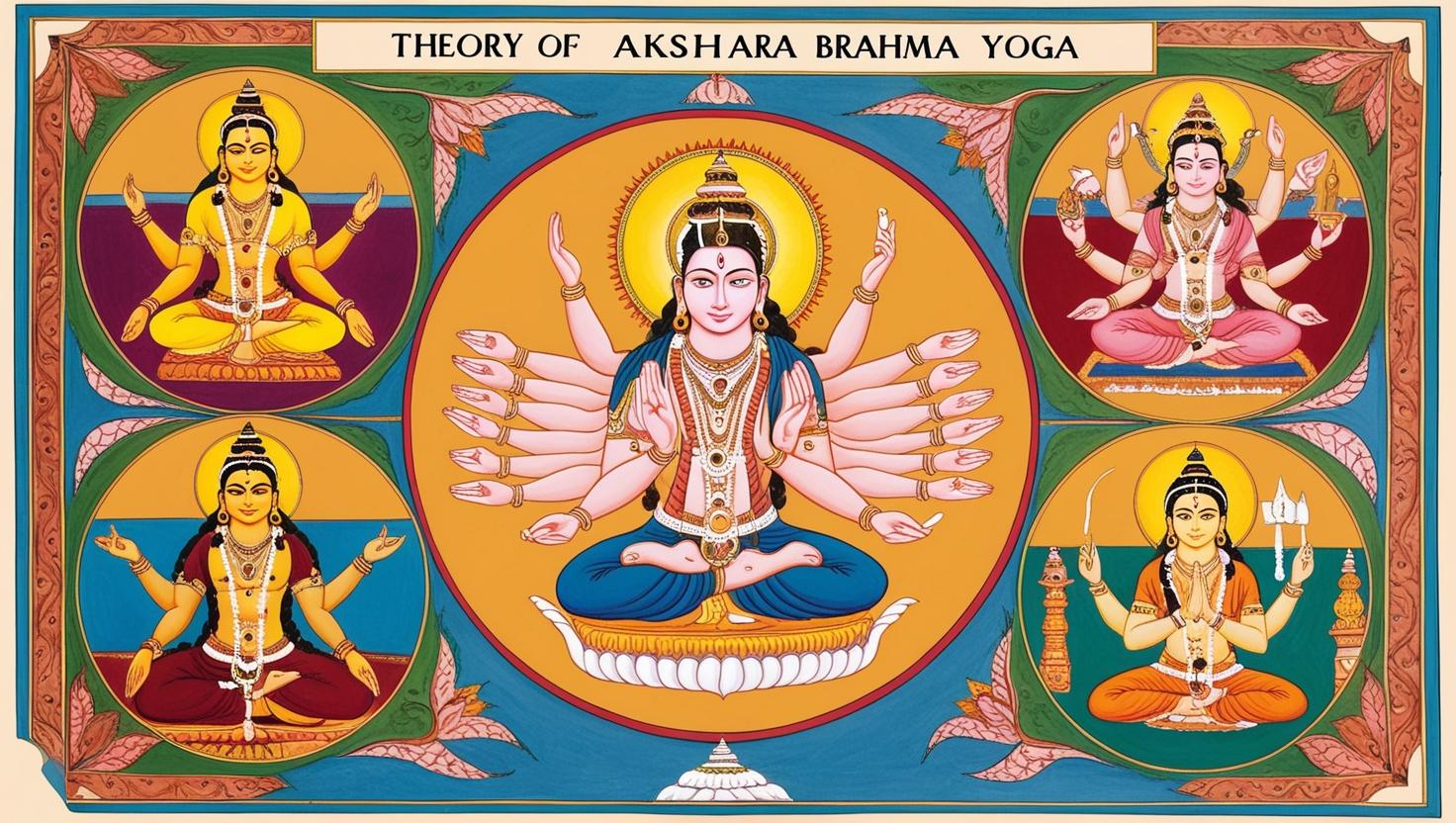
The Liberated Soul and the Attainment of Mokṣa
Chapter 4 of the Paingala Upanishad focuses on the culmination of spiritual practice and the state of liberation (moksa). Yajnavalkya explains that one who has realized the Self abides in eternal bliss, free from fear, desire, and all dualities. The chapter emphasizes the permanence of Brahman and the illusory nature of worldly experiences. It highlights that meditation, discrimination, and detachment lead to the dissolution of ignorance and the removal of all binding adjuncts (upadhis). The sage further describes the liberated soul as unattached, unaffected by pleasure or pain, and ever established in the Self. Ultimately, Chapter 4 presents the final teaching that realization of one’s identity with Brahman grants eternal freedom and the highest bliss. For More Information Click Here

The Liberated Soul: Knowledge, Detachment, and Union with Brahman
Verse 1: Yajnavalkya begins teaching that the liberated soul abides in Brahman, free from fear, desire, and attachment.
Verse 2: Brahman alone is real; the world is transient and illusory, perceived due to ignorance (avidya).
Verse 3: The Jiva identifies with body, mind, and senses, creating bondage and suffering.
Verse 4: Meditation (dhyana) and self-inquiry (atma-vichara) are essential to discern the eternal Self from transient phenomena.
Verse 5: Detachment (vairagya) arises naturally when the mind recognizes the impermanence of worldly experiences.
Verse 6: Knowledge (jnana) destroys ignorance, dispels fear, and reveals the unity of the Self and Brahman.
Verse 7: The liberated soul remains unattached, seeing pleasure and pain as equal, unaffected by dualities.
Verse 8: Such a soul is free from all binding adjuncts (upadhis) that create illusion of individuality.
Verse 9: The Self is eternal, blissful, and pure, untouched by the cycles of birth and death.
Verse 10: One who realizes this abides in supreme peace, experiencing unbroken joy and freedom.
Verse 11: Ignorant beings engage in worldly actions and rituals, seeking temporary gains, unaware of the Self.
Verse 12: The wise understand that external actions cannot purify the soul; only knowledge leads to liberation.
Verse 13: The mind of the liberated remains calm, unshaken by worldly circumstances or desires.
Verse 14: Dualities like pleasure and pain, success and failure, arise only for the ignorant mind.
Verse 15: Realization of Brahman dissolves the sense of doership and ego, revealing the true Self.
Verse 16: The liberated sees all beings as expressions of the same Brahman, fostering equality and compassion.
Verse 17: The Self is beyond name, form, and qualities, ever free, pure, and blissful.
Verse 18: Meditation and discernment remove remaining doubts, stabilizing the mind in the knowledge of Brahman.
Verse 19: Attachment to rituals, possessions, and relationships ceases naturally as one abides in wisdom.
Verse 20: The liberated soul experiences eternal bliss, free from cycles of birth, death, and rebirth.
Verse 21: The Upanishad emphasizes that knowledge of the Self is the highest and only true wealth.
Verse 22: Those established in Self-knowledge remain unaffected by worldly praise, blame, or transient circumstances.
Verse 23: The mind of the enlightened is steady, peaceful, and ever absorbed in the Self.
Verse 24: External duties are performed without attachment, as a natural expression of dharma, not for reward.
Verse 25: Brahman alone is the reality behind all appearances; the wise abide in this truth constantly.
Verse 26: Ignorance creates fear, suffering, and bondage; knowledge dissolves all illusions and reveals eternal freedom.
Verse 27: Liberation is not a reward but the natural state of the Self once ignorance is removed.
Verse 28: The liberated soul enjoys unbroken bliss, transcending all distinctions, dualities, and worldly limitations.
Verse 29: Constant contemplation and meditation establish the mind firmly in the knowledge of Brahman.
Verse 30: The Upanishad concludes that realization of the Self is the ultimate purpose of human life.
Verse 31: One who attains this state is forever free, blissful, and united with the eternal Brahman.
Liberation through Self-Knowledge, Detachment, and Realization of Brahman
Chapter 4 teaches that liberation (moksa) is attained through direct knowledge of the Self, recognizing it as eternal, pure, and blissful. The Jiva appears bound due to ignorance and identification with body, mind, and senses, but meditation, self-inquiry, and discernment remove this ignorance. Detachment naturally arises as one perceives the impermanence of worldly experiences and the illusory nature of dualities like pleasure and pain. The liberated soul abides in unbroken bliss, free from fear, desire, and cycles of birth and death. Knowledge of Brahman alone dissolves ego and attachment, making rituals and external actions secondary. Ultimately, realization of non-duality unites the soul with Brahman, granting supreme peace and eternal freedom. For More Information Click Here
Shankaracharya’s Commentary on Liberation and the Abiding Self
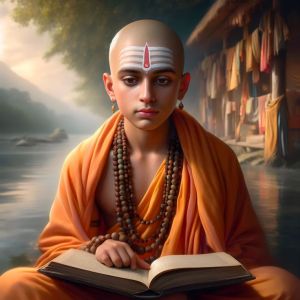
Shankaracharya explains that Chapter 4 presents the culmination of spiritual practice, emphasizing liberation (moksa) through direct realization of Brahman. He underscores that the Jiva is never truly bound; apparent bondage arises from ignorance (avidya) and identification with body, mind, and senses. The five sheaths (kosas) and transient worldly experiences veil the Self, but meditation, self-inquiry, and reflection dissolve these veils. The liberated soul abides in unbroken bliss, free from dualities, desires, and fear, seeing all beings as expressions of Brahman. Rituals and external actions are helpful only preliminarily; ultimate freedom arises solely from knowledge of non-duality. Shankara highlights that realization of one’s essential identity with Brahman leads to eternal peace, supreme bliss, and the cessation of the cycle of birth and death. For More Information Click Here

Conclusion
Chapter 4 of the Paingala Upanishad emphasizes that true liberation (moksa) arises from direct realization of the Self as Brahman, eternal, blissful, and beyond all dualities. The apparent bondage of the soul is due to ignorance and identification with body, mind, and senses. Through meditation, self-inquiry, and discernment, one transcends the five sheaths and worldly attachments, achieving detachment and inner stability. Shankaracharya clarifies that rituals and external duties, while useful initially, cannot confer ultimate freedom. The liberated soul abides in unbroken bliss, perceives unity in all beings, and is free from the cycles of birth and death. Ultimately, realization of non-duality unites the Jiva with Brahman, granting supreme peace and eternal freedom.
Join Our Classes:
The Upanishads are more than just ancient texts—they are timeless guides to living with clarity, balance, and inner peace. Our classes make their profound wisdom easy to understand and apply in everyday life. Join us to explore these teachings and discover a new way of seeing yourself and the world!