Introduction
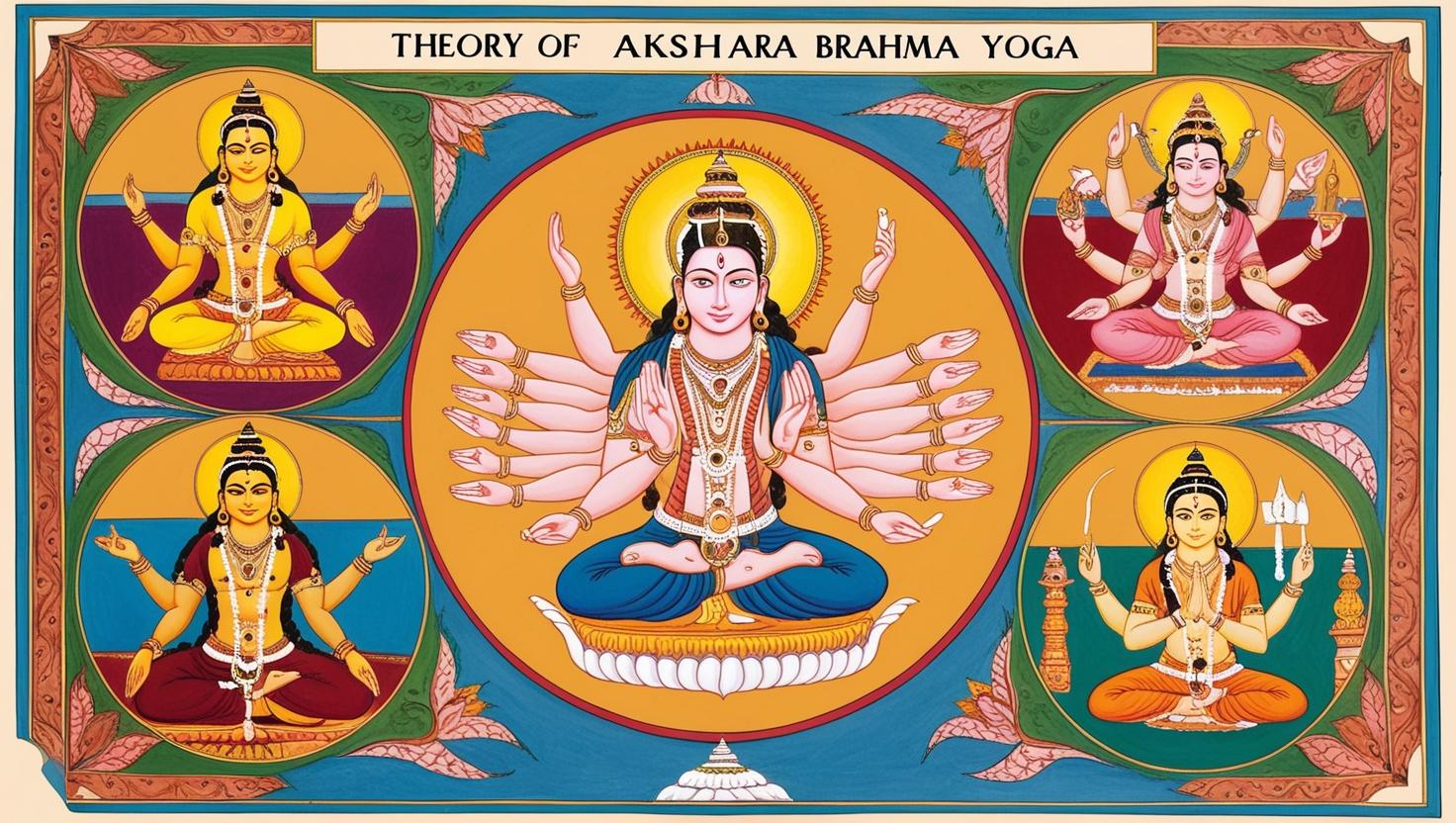
Volume 32 is part of Chapter 6 of Vichāra Sāgara, which addresses the “kaniṣṭha-adhikārī” stage (the seeker whose intellect is still active and unsettled). According to its index, this volume covers Topics approximately 425 to 442 (Avarta 420–459) and focuses on the “Analysis of the meaning of the Mahāvākya” for this stage. In more detail: it examines objections and subtleties surrounding the teacher, the scripture, the means of knowledge, and the very sentence (Mahāvākya) such as “Tat Tvam Asi” — how to interpret it, what its implications are, how to remove subtle doubts, and how to understand word-meaning, reference and knowledge in the context of non-dual teaching.
Thus this volume takes the seeker who has been enquiring through earlier volumes into the refined territory of “What is the meaning of the Mahāvākya?”, “How do words lead to knowledge?” and “What hurdles remain for one whose mind is still active?” Click Here To Access more other text.
Devanāgarī Text (Corrected)
वाच्य–वाचकयोर्भेदोऽभेदः तादात्म्यसम्बन्ध इति निरूपणम्।
IAST Transliteration
vācya–vācakayor bhedo ’bhedaḥ tādātmyasambandha iti nirūpaṇam
Word-by-Word Meaning
- vācya (वाच्य) — The object or meaning that is expressed
- vācaka (वाचक) — The word that expresses that meaning
- bhedaḥ (भेदः) — Difference or distinction between two things
- abhedaḥ (अभेदः) — Non-difference, identity or oneness
- tādātmya-sambandhaḥ (तादात्म्यसम्बन्धः) — Inseparable identity relationship between word and meaning
- iti (इति) — Thus, or “in this way”
- nirūpaṇam (निर्वपणम् / निरूपणम्) — It is described / established / explained
Simple English Interpretation
Although words (vācaka) and their meanings (vācya) appear different, in practical communication, they are inseparably connected.
One cannot know the meaning without the word, and the word has no purpose without the meaning.
So their connection is described as:
“A difference, yet no difference.”
This is called tādātmyasambandha:
a unity-in-duality, like a name and the person, or a flame and its light. Click view PDF.

Benefit & Spiritual Significance
This concept becomes especially powerful in Vedānta:
The name “Brahman” and Brahman itself
are not two separate things in spiritual realization.
Chanting divine names connects directly to the divine reality
Understanding removes doubt:
God is not far away; God is present in the very words we use to remember Him.
So:
By knowing the inseparable unity of word and meaning,
we realize the inseparable unity of the soul and the Divine.
Benefits of Studying This Volume
Studying Volume 32 offers several meaningful benefits:
- It helps clarify how the Mahāvākya functions as the direct means to Self-knowledge, especially for a seeker with active questioning mind.
- It deepens your understanding of word-meaning, sentence-interpretation (vakya-vṛtti), and how knowledge arises from the Mahāvākya rather than from mere ritual or mental activity.
- It supports the dissolution of subtle doubts and intellectual blocks about whether the Mahāvākya really leads to realisation (and how).
- It helps you move from “I know the statement” to “I live the statement” by understanding the power of correct interpretation and assimilation.
- It sharpens the intellect (vikalpa-nivṛtti) for remaining in non-dual clarity — allowing you to engage with the text with both rigour and humility. Click view PDF.

How to Study
Here’s a recommended method to effectively study Volume 32:
-
With a competent teacher or guide: Because the topics (Mahāvākya interpretation, word-meaning, subtle objections) are technical and may easily lead into speculation, having guidance helps grounding.
-
Read sequentially: Begin with the first topic (425) and proceed through to 442 in order. The author structures the arguments and remedial discussions in sequence.
-
Reflective enquiry after each topic:
• “What is the sentence (Mahāvākya) pointing at here?”
• “How does the word-meaning lead me to the referred reality and not just an intellectual concept?”
• “What remaining doubt do I carry about the statement, and how is it addressed here?” -
Meditative assimilation: After reading a section, sit quietly and allow the statement to penetrate your being. Let the meaning shift from thought to recognition: “I am That.” Click view PDF.
-
Journalling: Write down:
• any subtle doubts/questions you notice about the statement or meaning;
• how each section impacts your sense of “I” and whether you experience a shift in clarity;
• examples of life where you notice the teaching ‘landing’ or still resisting. -
Integration into life: Whenever you find yourself using language, thinking words, interpreting meaning — refer back to how this volume explains the relation between words, meaning, knowledge and Reality. Let your reading inform your lived awareness of the Mahāvākya. Click view PDF.
Why Study
Here are strong reasons why you should study Volume 32:
- Because understanding the Mahāvākya is central to non-dual realisation — without clarity about how the sentence leads to knowledge, the seeker may remain stuck in intellectualising or ritual. Click view PDF.
- Because for a seeker whose mind is still active (kaniṣṭha-adhikārī), many subtle obstacles remain: word-meaning confusion, doubts about validity of Upanishadic statements, difficulty in assimilation. This volume addresses those.
- Because this volume brings depth and rigor to your enquiry — it moves beyond “Who am I?” and “What is the world?” to “How does this statement bring about realisation?”
- Because it prepares you for later volumes (Chapter 7) where abiding in the Self is discussed. Without this clarity of the Mahāvākya, that abiding may lack stability.
- Because this study supports authenticity: rather than superficially believing the statement, you are encouraged to understand its reasoning and ground your insight — which brings lasting transformation. Click view PDF.

How Many Times to Study
Here’s a recommended rhythm for how often and how deeply to engage with Volume 32:
- First pass: Read straight through the entire volume to get an overview of the topics: Mahāvākya meaning, objections, word-meaning discussions etc.
- Second pass: Read more slowly. Annotate key statements, underline parts where your doubt arises, reflect after each topic.
- Third pass (and further passes): Combine reading with meditation and journalling: after each section, rest with the Mahāvākya in your awareness, observe whether your sense of “I” shifts, whether knowledge arises.
- Periodic revisiting: Given the technical nature, revisit the volume every 6-12 months (or when you sense confusion about the Mahāvākya) — you’ll discover new layers and insights each time.
- Lifelong resource: Recognise that this volume becomes a companion reference: whenever you encounter subtle stumbling about the statement “Tat Tvam Asi” or similar, you may return to relevant topics here. Click view PDF.
Conclusion
Volume 32 of Vichāra Sāgara is a powerful and essential text for the serious seeker. It shifts your enquiry from “Who am I?” and “What is the world?” into the heart of “How does the statement of non-duality bring about knowledge of my true Self?” When studied with sincerity, reflection and application, this volume helps you ground the Mahāvākya in your living experience — not just intellectually but existentially. It strengthens clarity, dissolves subtle doubts, and prepares you for abiding as the Self. If you approach it with an open mind, disciplined reflection, and humble enquiry, it can lead to a deep transformation — from “I know” to “I am”.
Join Our Classes:
The Vichara Sagara are more than just ancient texts—they are timeless guides to living with clarity, balance, and inner peace. Our classes make their profound wisdom easy to understand and apply in everyday life. Join us to explore these teachings and discover a new way of seeing yourself and the world!