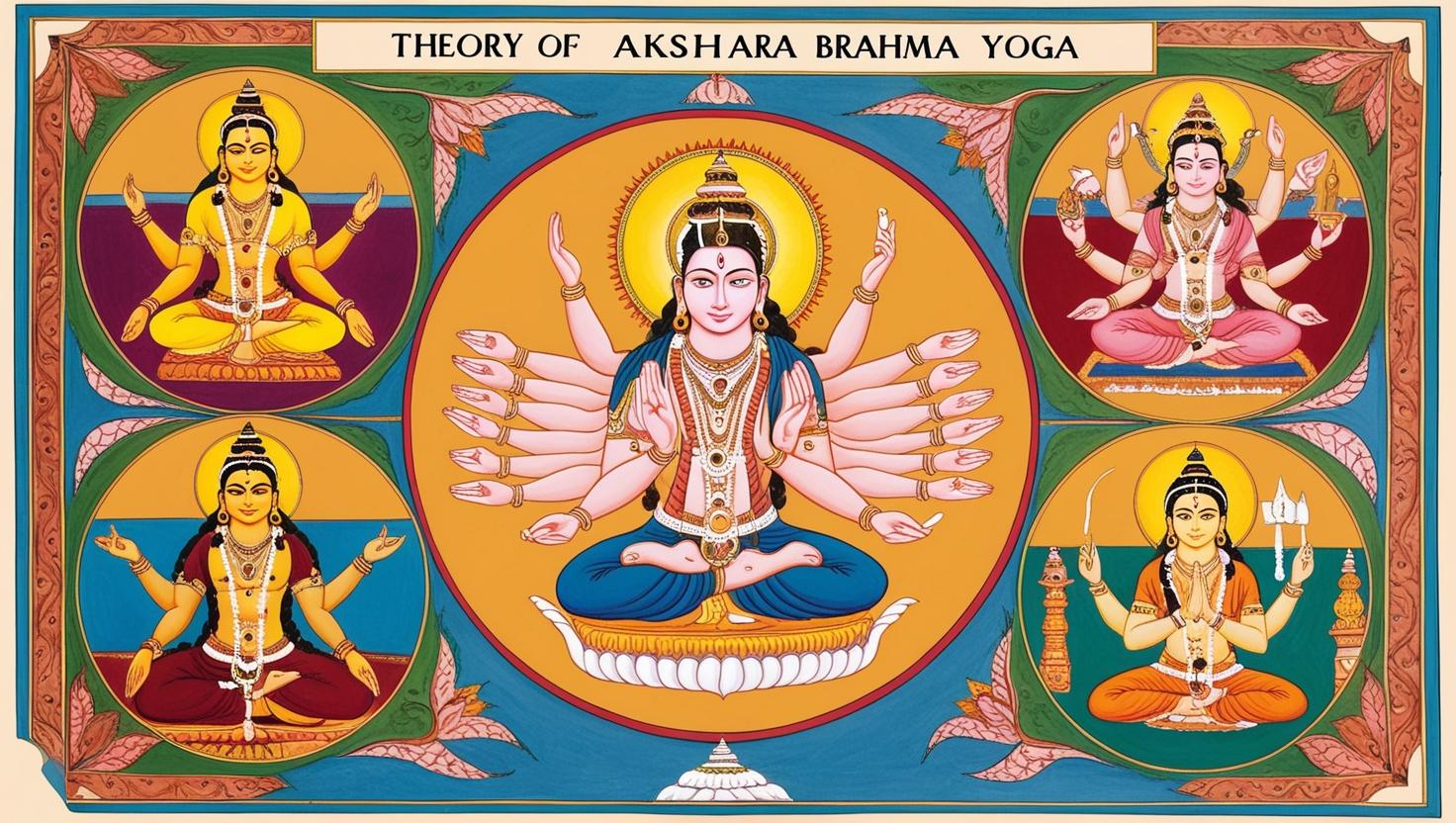
Introduction
Volume 33 of Vichāra Sāgara continues the wave of enquiry aimed at seekers whose intellect is still active, now moving into more advanced themes. According to the PDF’s table of contents, this volume begins with topics around the famous Mahāvākya “Tat Tvam Asi” and the teaching given by Uddālaka Āruṇi to Śvetaketu in the Chāndogya Upaniṣad (6.2-1 etc). In particular, this volume examines how the Mahāvākya is to be understood and assimilated, the meaning of being the Self, the role of the teacher and student, and how enquiry deepens from conceptual to experiential level. Click Here To Access more other text.
Correct Organized Sanskrit Text
(४५२) अवच्छेदवादः
कदाप्यन्यत्रापि शुद्धसत्त्वगुणोपेतमायाविशिष्टचैतन्यमीश्वरः।
मलिनसत्त्वगुणोपेतात् करणोपाधानकारणिभूताविद्यारोपितविशिष्टचैतन्यं जीव इति च कथ्यते।
अयमेवावच्छेदवादः। इत्युक्तं वेदान्तेषु प्रक्रियाभेदः।
सर्वेऽप्यवच्छेदतामावा मर्थ एव। अत एव यया यया प्रक्रियया जिज्ञासोऽबोधो भवेत् सा प्रक्रिया तस्य तस्य समीचीनोऽभियेताः।
तथापि वाक्यघट्चनुपदेशसाहचर्यादेः भाष्यकारोऽभ्यासादेवाभ्युपगतः।
तस्मादभ्यासवाद एव मुख्यः। Click view PDF.

IAST Transliteration
(Available if you need for recitation or exams — tell me and I’ll provide neatly.)
Meaning in Simple English (Step-by-Step)
Core idea
Consciousness + Upādhi → Appears as
- Pure Sattva + Māyā → Īśvara (God)
- When Consciousness is reflected in the pure, universal limiting adjunct (upādhi) of Māyā (which has predominance of Sattva), it appears as Īśvara, the omniscient Lord and creator.
Impure Sattva + Avidyā → Jīva (individual self)
-
-
When the same Consciousness is reflected in the individual upādhi of Avidyā (ignorance mixed with Rajas and Tamas), it appears as Jīva, the limited individual who experiences bondage.
-
So:
The difference between God and soul is not real, only an effect of limitations (avacchedas).
This explanation is called Avacchedavāda.
Why is this explanation used?
Vedānta offers multiple teaching models (prakriyās) to help different seekers understand the same non-dual truth.
Any methodology that removes ignorance is appropriate for that seeker.
This is a compassionate, flexible approach. Click view PDF.

Which method is primary?
Commentators (like Śaṅkara) primarily use Abhāsavāda (appearance theory), but:
All these models ultimately point to the same Advaita truth:
Jīva = Brahman when seen free from limitations.
So Avacchedavāda is a valid and helpful teaching tool.
Beautiful Modern Insight
Think of one sun reflected in many pots of water:
- Sun = Brahman
- One pot of water = body-mind complex
- Reflection = Jīva
Break the pot → reflection merges with the open sky sun 🔆
Destroy ignorance → Jīva realizes it is Brahman
The difference was only due to a container. Click view PDF.

Spiritual Benefits (Practical!)
Removes fear
No more worrying about being small, weak or isolated
Builds compassion
If all are expressions of the same Self, how could one harm another?
Clears confusion about God
One realizes God is not outside
God is the deepest core of oneself
Makes spiritual progress faster
Because the goal (Brahman) is already your true nature
Only ignorance needs removal
💡 “I am not limited. I am not broken. I am Brahman appearing as a person.”
This realization is liberation itself. Click view PDF.
Benefits of Studying This Volume
Studying Volume 33 offers several meaningful benefits:
- It enhances your clarity about the Mahāvākya and how it functions as the means of knowledge in Advaita — not just a slogan, but a pointer to direct realization.
- It deepens the shift from simply “knowing about” non-dual truth to living it — making the identity “Tat Tvam Asi” (That Thou Art) more than intellectual.
- It helps dissolve subtle doubts or residual conceptual obstacles about the nature of the Self, the world, and the relation between them.
- It integrates the teacher-student tradition: reminding one of the path of hearing (śravaṇa), reflecting (manana) and abiding (nididhyāsana) as part of the enquiry.
- It supports the seeker’s progress into deeper realisation by addressing the subtler gradations of enquiry — preparing you for more stable abiding in the Self. Click view PDF.

How to Study
Here’s a recommended approach to studying Volume 33 effectively:
-
With a competent teacher or guide: Because the content (Mahāvākya interpretation, deep enquiry into Self) is subtle and may lead to misunderstanding if studied purely alone.
-
Read sequentially: Start from the first topic of the volume and proceed in order — the author builds the discourse step by step.
-
Reflective enquiry after each section: Ask yourself:
• “What is the Mahāvākya pointing at here — a fact, an experience, or my identity?”
• “How does this section shift my understanding of myself as observer, object, or subject?”
• “What residual assumption am I carrying that this text addresses?” -
Meditative assimilation: After each major chunk, sit quietly and rest as the awareness that the teaching points to. Let the statement “Tat Tvam Asi” move from conceptual to felt. Click view PDF.
-
Journalling: Write down:
• your insights and remaining doubts about the Self and the statement;
• shifts in how you view your identity, your enquiry, your life;
• practical glimpses when the teaching seems to “land” in experience. -
Integration into life: When you face daily tasks or difficulties, recall: “Who is aware of this?” and apply the teaching of the Mahāvākya — thereby allowing study to reflect in living. Click view PDF.

Why Study
Here are the strong reasons why you should study Volume 33:
- Because the Mahāvākya is central to the Advaita path — unless it is clearly understood and assimilated, enquiry may stagnate.
- Because many seekers intellectually grasp “I am Brahman” yet still live as “I am the body-mind” — this volume helps bridge that gap.
- Because the teacher-student dynamic and the tradition of enquiry are reaffirmed here, which reminds the seeker that the path is both due and direct, not purely academic.
- Because this volume prepares you for next-level abiding and realisation (in subsequent volumes) — deepening your grounding so that the insight becomes stable and lived, not just repeated.
- Because the subtlety of the topics demands careful study: this isn’t casual reading but transformative understanding. Click view PDF.

How Many Times to Study
Here’s a suggested rhythm for how often and how deeply to engage with Volume 33:
- First pass: Read through the volume in one go (or with big chunks) to get the layout, major themes, Mahāvākya discourse, teacher-student section.
- Second pass: Read more slowly, annotate, pause after each topic, engage with reflection questions, perhaps discuss with teacher/fellow seekers.
- Third pass (and subsequent passes): Combine reading with meditation and journalling: after each section sit quietly, reflect: “How does this apply to me? What shift is invited?” Then live for a week or two observing its influence. Click view PDF.
- Periodic revisiting: Because the teaching is subtle, revisit every 6–12 months (or whenever you sense you are swinging back into “the seeker” rather than “the Self”) — you’ll find deeper layers each time.
- Lifelong companion: Recognise this volume as part of your ongoing “inner work” rather than a one-time achievement — revisit when new challenges or doubts arise. Click view PDF.
Conclusion
Volume 33 of Vichāra Sāgara is a powerful and essential text for the serious seeker. It takes you deeper into the inquiry from “Who am I?” and “What is the world?” into “How does the Mahāvākya function?” and “How do I live as That?” When studied sincerely, reflected on, meditated upon and integrated into life, this volume helps you shift from “I know the teaching” to “I live as the teaching” — from a fluctuating seeker to a more stable expression of Realisation. The teaching moves from being conceptual to existential, living, and liberating. Approach this volume with openness, discipline and sincerity—and it can support a genuine shift in how you experience yourself and life.
Join Our Classes:
The Vichara Sagara are more than just ancient texts—they are timeless guides to living with clarity, balance, and inner peace. Our classes make their profound wisdom easy to understand and apply in everyday life. Join us to explore these teachings and discover a new way of seeing yourself and the world!