Introduction
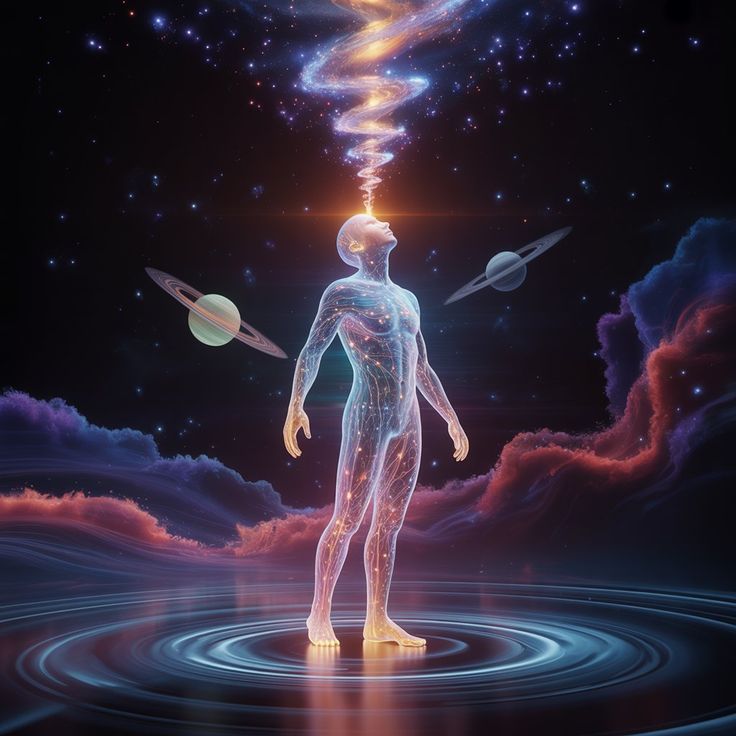
Chapter 10 is titled “Nataka-Dīpa Prakaraṇam” (The “Lamp of the Theatre”). It uses the metaphor of a theatre or stage-drama to illustrate the relation of the individual self (jīva) to the Supreme Self (Paramātman), the role of witnessing consciousness (Sākṣī), and how ignorance (avidyā) leads to the appearance of the drama of life. The Self is likened to a lamp in the theatre: illuminating the actors, audience, stage, yet itself unaffected. Click Here To Access more other text.
Benefits
Studying this chapter gives you:
- A deeper insight into the role of witnessing awareness — how the Self functions as seer, not the seen, the doer, or the object.
- A clear metaphor (theatre + lamp) that helps you perceive your life-experience differently: the “I” who watches roles and drama rather than being wholly identified with them.
- Better understanding of bondage and freedom: the drama continues so long as one identifies with the roles; once one realises the lamp-nature of Self, identification ends.
- Tools to practise discrimination: recognising who is the witness, what is the drama, and moving from involvement as actor to abiding as the lamp.
- A supportive method for living non-duality: not just conceptual, but experiential — you become the lamp that illumines the theatre while remaining untouched by it. Click view PDF.
Verses 1-26: Bullet-point Summary
Below are Verses 1-26 in bullet form with a short translation, meaning and brief explanation. (Based on the class notes and commentary.)
Verse 1
-
-
Translation: “Before the projection of the world, the Supreme Self, secondless, blissful and complete, alone existed; through His Māyā He became the world and entered as the jīva.”
-
Meaning: The one Self appeared as many; the drama begins.
-
Explanation: The Self is both cause and ground of the drama.
-
Verse 2
-
-
Translation: “As in a theatre the lamp illumines all the actors, the stage, the audience — so the Self illumines jīva, mind, world.”
-
Meaning: The Self is the lamp; the drama is played out on its stage.
-
Explanation: The Self remains unmoved though everything appears in it.
-
Verse 3
-
-
Translation: “Without the lamp nothing in the theatre is revealed; likewise without the Self nothing appears.”
-
Meaning: All experience depends on the Self.
-
Explanation: Awareness is the prerequisite for any phenomenon.
-
Verse 4
-
-
Translation: “Yet the lamp does not become any actor on the stage; just so the Self is not a doer or enjoyer though all seems so.”
-
Meaning: Self is witness, not actor.
-
Explanation: Distinguishes the true Self from the apparent ego.
-
Verse 5
-
-
Translation: “Bondage is caused by lack of discrimination; and is removed by discrimination; therefore one should discriminate between individual-self and Supreme Self.”
-
Meaning: Knowledge (viveka) is the key to liberation.
- Explanation: Identifying wrongly causes bondage; seeing rightly frees. Click view PDF.
-

Verse 6
-
-
Translation: “He who thinks ‘I am the agent’, whose mind is the instrument, whose body is the bath, ascribes action to Self-absurd.”
-
Meaning: The ego’s claim of doership is false.
-
Explanation: The Self neither acts nor is acted upon; the appearance of action is in the body-mind.
-
Verse 7
-
-
Translation: “The knower, the knowledge, and the known — these three appear together; yet the Self is none of them; it is the witness of all.”
-
Meaning: Triputi (knower‐known‐knowledge) arises, but Self transcends them.
-
Explanation: Self is the platform of all cognition.
-
Verse 8
-
-
Translation: “In deep sleep when mind and senses cease, the Self remains shining; therefore the Self is unchanged by the drama.”
-
Meaning: The Self is the unchanging subject even when objects vanish.
-
Explanation: Sleep illustrates the permanence of Self.
-
Verse 9
-
-
Translation: “As a lamp in the empty theatre shines though nobody is there, so the Self shines though body, senses, mind may be absent.”
-
Meaning: The Self’s existence is independent of the play.
-
Explanation: Witness consciousness remains even when all roles end.
-
Verse 10
-
-
Translation: “The lamp illumines the director, audience and actor alike in the dance-hall.”
-
Meaning: The Self illumines all layers of experience.
-
Explanation: Analogy emphasising universality of Self’s illumination. Click view PDF.
-
Verse 11
-
-
Translation: “Even when no actor, audience or performance is present, the lamp still shines; similarly Self remains though world may vanish.”
-
Meaning: The Self is not dependent on objects.
-
Explanation: Independence of the Self from empirical reality.
-
Verse 12
-
-
Translation: “Mind functions in the body, but the Self is apart from all modification; identify with the Self and you are free.”
-
Meaning: Mind is instrument; Self is pure.
-
Explanation: Disidentification from mind leads to freedom.
-
Verse 13
-
-
Translation: “Just as shadows and reflections follow the body, so jīva’s mis‐identification creates the illusion of doership/enjoyership.”
-
Meaning: Identification produces the ego-drama.
-
Explanation: Mistaking the reflection for the real creates bondage.
-
Verse 14
-
-
Translation: “Because of ignorance, the ‘I’ associates with body‐mind and then suffers the roles of doer, enjoyer and experiencer.”
-
Meaning: Ignorance causes the drama of life.
-
Explanation: Correcting ignorance ends suffering.
-
Verse 15
-
-
Translation: “When discrimination dawns, one understands the Self is the light behind all roles, and one withdraws identification.”
-
Meaning: Realisation begins the exit from drama.
-
Explanation: Recognition of lamp‐nature changes life. Click view PDF.
-

Verse 16
-
-
Translation: “The Self is not covered by body, senses, mind; it is untainted, pure awareness.”
-
Meaning: Self is untouched by the modifications.
-
Explanation: Clarification of Self’s nature.
-
Verse 17
-
-
Translation: “What is witnessed cannot witness itself; hence the Self cannot be object of knowledge; it is the witness.”
-
Meaning: Self cannot be objectified.
-
Explanation: Self is awareness, not an object.
-
Verse 18
-
-
Translation: “Just as you cannot look at the eye without a mirror, so you cannot perceive the Self through the mind; only by recognising the witness nature you abide.”
-
Meaning: Self doesn’t appear as object.
-
Explanation: Emphasises direct knowing, not sense‐perception.
-
Verse 19
-
-
Translation: “The lamp does not change though the play passes before it; similarly the Self remains though the world changes.”
-
Meaning: Impermanence of world vs permanence of Self.
-
Explanation: Encouragement to abide as the changeless.
-
Verse 20
-
-
Translation: “The witness remains while body, senses, mind fade; thus the Self is beyond ageing, death, decay.”
-
Meaning: Self is deathless.
-
Explanation: Freedom from temporal sequence. Click view PDF.
-

Verse 21
-
-
Translation: “The wise one sees the body as theatre, the senses as actors; he identifies with the lamp.”
-
Meaning: Recognition leads to different orientation.
-
Explanation: Role‐play continues but less hold.
-
Verse 22
-
-
Translation: “Though the drama may be intense, the lamp remains peaceful; likewise the Self remains equanimous amidst action.”
-
Meaning: Inner peace amidst outer play.
-
Explanation: Living non‐attachment.
-
Verse 23
-
-
Translation: “If someone identifies with actors and roles, he forfeits the peace of lamp; if he identifies as lamp, he enjoys freedom.”
-
Meaning: Choice between identification and freedom.
-
Explanation: Encourages shift of identity.
-
Verse 24
-
-
Translation: “The Lamp knows neither ‘I act’ nor ‘I suffer’; the witness knows both but remains untouched.”
-
Meaning: Self beyond dualities.
-
Explanation: End of subject‐object drama.
-
Verse 25
-
-
Translation: “Knowing that the world is mere play of Māyā and the self as lamp, the wise one abides ever free.”
-
Meaning: Final result of enquiry.
-
Explanation: Aligns the teaching with lived experience. Click view PDF.
-

Verse 26
-
-
Translation: “May all seekers understand this lamp-theatre analogy, discriminate what is real and abide as the eternal Self.”
-
Meaning: Benediction and call to sādhanā.
-
Explanation: Study culminates in realisation.
-
Why Study
- Because this chapter beautifully synthesizes Vedāntic insight into a relatable metaphor (theatre + lamp) which aids both intellect and intuition.
- Because it helps you see your own life-experience as a drama, thereby disidentifying from the roles and abiding as the witnessing Self.
- Because it emphasises the method of discrimination (viveka) and the nature of witness‐consciousness (Sākṣī) — foundational to non‐dual practise.
- Because it provides both theoretical clarity and practical orientation: how you live matters as much as what you know.
- Because mastery of this chapter supports one’s journey from being actor to being witness, which is the shift from bondage to freedom. Click view PDF.
How to Study
-
Śravaṇa (Reading/Listening): Read all 26 verses carefully with translation & commentary (refer to the PDF). Focus on the metaphor and key terms: lamp, theatre, witness, doer/enjoyer, discrimination.
-
Manana (Reflection): After each verse ask:
-
In what role do I currently live – actor, director, audience or lamp?
-
What is my predominant identification – body, mind, ego, witness?
-
How can I shift that to abiding as the lamp-Self?
Write notes in your journal.
-
-
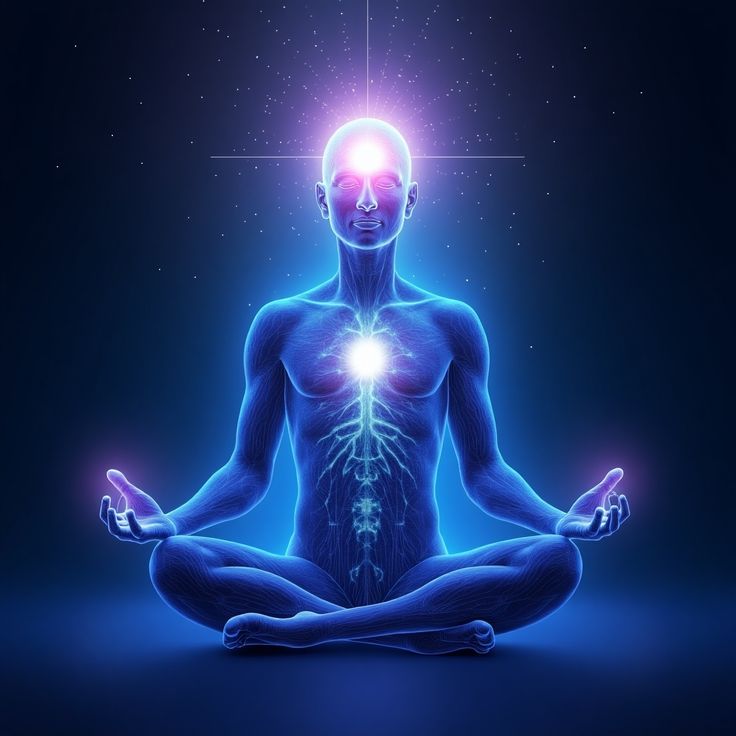
Nididhyāsana (Meditative Assimilation): Sit for 10-20 minutes daily with the phrase: “I am the lamp that illumines the theatre of life.” When you find yourself identifying with a role, note it and gently return to the sense of pure witnessing. Click view PDF.

-
Repetition Schedule:
-
First reading: once thoroughly.
-
Second reading: after ~1 week for deeper reflection on metaphor and meaning.
-
Third reading: after ~1 month — notice how you shift from drama to witness in daily life.
-
Review weekly for 2-3 months, then monthly.
-
-
Dialogue / Teacher Support: Discuss key verses such as 5, 10, 19, 24 with teacher or study-group to clarify subtle points (e.g., what exactly is the lamp? what is the play?).
-
Daily Application:
-
When you feel “I did this” or “I am suffering because of that”, recall verse 6 or 24 and ask: Am I the actor or the lamp?
-
At moments of change or fear, recall verse 20: I am the witness, untouched by change.
-
In your usual activities, remind yourself you are the lamp illuminating the action — not the action itself. Click view PDF.
-
Conclusion
Chapter 10 of the Panchadaśī unfolds the elegant “theatre-lamp” metaphor to help the seeker internalise the non-dual truth: the world is a play, the jīva is the actor, the Self is the lamp that illumines all. Through this chapter you are invited to shift your identification from the transient roles and drama to the unchanging witness. The result is simple yet profound: you move from “I am doing, suffering, becoming” to “I am the lamp – the witness – the ever-free Self.”