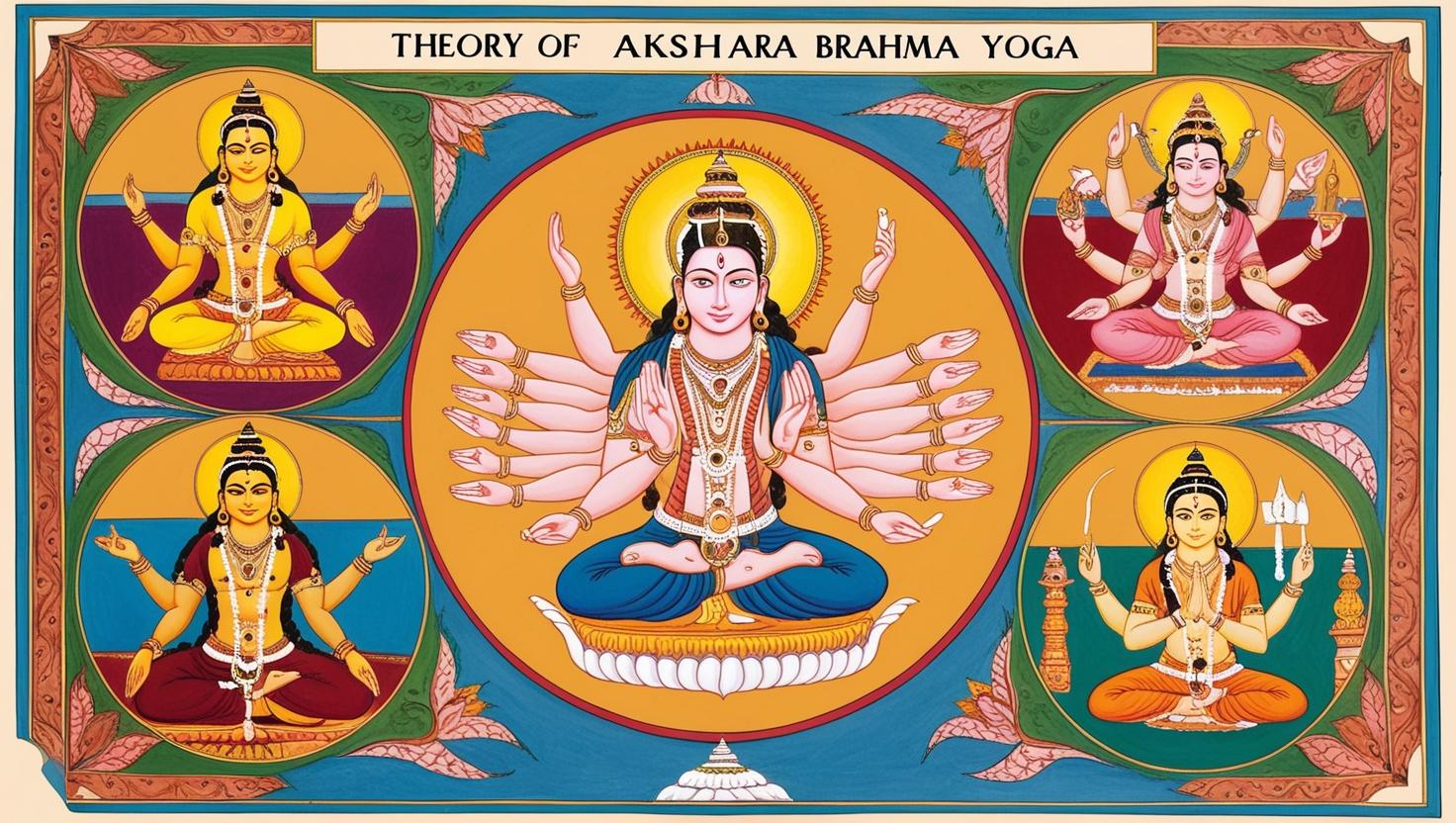
Introduction

Benefits of Studying the Sri Rama Gita
Some key benefits (as noted by Vedanta Students) are:
-
Self-Knowledge (Ātma Jñāna): Understanding your true Self beyond body, mind, and intellect.
-
Liberation (Moksha): Realizing that freedom is not through ritual but through knowledge.
-
Non-Dual Vision: Recognizing the oneness of individual soul (jiva) with the Supreme (Ishvara / Brahman).
-
Practical Spiritual Path: Offers sadhana — meditation, self-inquiry, surrender — not just theory.
-
Emotional Strength: By understanding true nature, one becomes resilient to life’s ups and downs.
-
Bridge Between Bhakti and Jnana: Rama is a devotional figure, yet speaks of non-dual wisdom, making the teaching accessible to both devotees and intellectual seekers. Click view PDF.

Verses 52–57 (Sanskrit, Translation & Meaning)
These verses are part of the “Jnana Phalam” — the fruit / benefit of knowledge. (In the PDF, verses 52–57 are under that topic.)
Verse 52
Sanskrit (approx)
एवं सदा जातपरात्मभावनः स्वानन्दतुष्टः परिविस्मृताखिलः । आस्ते स नित्यात्मसुखप्रकाशकः साक्षाद्विमुक्तोऽचलवारिसिन्धुवत्
Translation
“Thus, always established in the supreme Self, having forgotten his worldly connections, content in his own bliss, he directly abides in emancipation, like a still, vast ocean.”
Phrase-by-phrase meaning (bullet):
-
एवं सदा जातपरात्मभावनः — always established in the attitude/experience of the supreme Self.
-
स्वानन्दतुष्टः — self-satisfied; his happiness comes from the Self.
-
परिविस्मृताखिलः — having forgotten/let go of all attachments to the world.
-
आस्ते स नित्यात्मसुखप्रकाशकः — he abides in constant Self-bliss that shines forth.
-
साक्षाद्विमुक्तोऽचलवारिसिन्धुवत् — directly liberated, steady like a calm, deep ocean. Click view PDF.
Step-by-step practical application:
-
Morning resolve (viveka): Begin the day with a short reflection: “I am not the body, I am the Self.” (1–3 minutes)
-
Anchor in Self-joy (nididhyāsana): Sit 10–20 minutes and rest attention on the felt sense of being — not thinking, just being content. Repeat daily.
-
Detachment exercise: When a desire or worry arises, note it (“thought”), then return to the inner silence; practice “forgetting” worldly attraction.
-
Observe stability: Intentionally choose equanimity in one small difficult situation each day (e.g., criticism, delay).
-
Journal: Note moments of inward contentment — build evidence of “self-satisfaction.” Click view PDF.
Signs of progress:
-
Increased inner calm despite external change.
-
Fewer impulsive reactions to pleasures/aversions.
-
A recurring baseline sense of contentment not tied to outcomes.
Pitfalls to avoid:
-
Mistaking emotional numbness for liberation. (True Self-bliss coexists with compassion and clarity.)
-
Expecting constant bliss immediately — steadiness develops gradually. Click view PDF.

Verse 53
Sanskrit (approx)
एवं सदाभ्यस्तसमाधियोगिनो निवृत्तसर्वेन्द्रियगोचरस्य हि । विनिर्जिताशेषरिपोरहं सदा दृश्यो भवेयं जितषड्गुणात्मनः
Translation
“One who regularly practices this meditation-yoga, withdrawn from sense-objects, who has conquered the inner enemies (sixfold), to him the Supreme appears as direct vision.”
Phrase-by-phrase meaning:
-
सदाभ्यस्तसमाधियोगिनो — one habituated to steady meditation / samādhi practice.
-
निवृत्तसर्वेन्द्रियगोचरस्य — withdrawn from objects of the senses.
-
विनिर्जिताशेषरिपोरहं — having completely conquered the remaining inner foes.
-
सदा दृश्यो भवेयं — the Supreme becomes constantly visible (in the inner sight).
-
जितषड्गुणात्मनः — one who has overcome the six-fold qualities/enemies.
What are the “six” inner enemies (common list):
-
काम (kāma) — desire
-
क्रोध (krodha) — anger
-
लोभ (lobha) — greed
-
मोह (moha) — delusion/attachment
-
मद (mada) — pride/arrogance
-
मन्मत्ता / मत्सर्य (mada / matsarya) — vanity/jealousy (varies by list)
Step-by-step practice to “conquer” them:
-
Identify & label: When a reaction arises, silently name it (“desire,” “anger”) — this creates space.
-
Sense-withdrawal drill (pratyahara): For 5 minutes, close eyes and deliberately withdraw attention from external stimuli.
-
Short samādhi practice: Build up to one uninterrupted 15–30 minute concentration session (focus on Self or a single phrase).
-
Counter-practice for each enemy: e.g., for desire → practice contentment (count blessings); for anger → pause + breath; for pride → remind yourself of dependence and humility.
-
Consistent repetition: Make a practice diary — small daily wins compound.
Signs the Supreme is “visible”:
-
Inner clarity and lightness during/after meditation.
-
Intuitive perception of ethical rightness or compassion without mental effort.
-
A felt presence or abiding peace that feels like “witnessing.”
Pitfalls:
-
Over-identifying with “having conquered” — subtle pride can arise.
-
Trying to suppress enemies forcefully rather than transforming them by insight. Click view PDF.

Verse 54
Sanskrit (approx)
ध्यात्वैवमात्मानमहर्निशं मुनि- स्तिष्ठेत्सदा मुक्तसमस्तबन्धनः । प्रारब्धमश्नन्नभिमानवर्जितो मय्येव साक्षात्प्रविलीयते ततः
Translation
“By meditating thus day and night on the Self, the sage remains free from all bonds; taking his allotted (prārabdha) karma without ego, he ultimately merges in Me.”
Phrase-by-phrase meaning:
-
ध्यात्वैव … हर् निशं — meditate continuously, day and night.
-
मुनि स्तिष्ठेत्सदा मुक्तसमस्तबन्धनः — the sage stands/abides always free from bonds.
-
प्रारब्धमश्नन्नभिमानवर्जितो — he consumes his prārabdha (ripe karma) without pride/ego.
-
मय्येव साक्षात्प्रविलीयते ततः — then he directly dissolves/merges into the Supreme.
Step-by-step guidance (practical):
-
Regular sittings: Establish two daily sittings (e.g., morning 20 min, evening 20 min). Consistency > length.
-
Mindful action (karma yoga): Do duties but consciously note “this body/role is acting,” release sense of doership. Practice during small tasks (washing dishes, email).
-
Witnessing attitude: When you experience results (success/failure), observe without egoic commentary: “happening” rather than “I made it happen.”
-
Accept prārabdha: Accept life’s circumstances as already set, do your best without grasping for reward.
-
Nididhyāsana for assimilation: After meditation, sit 5 minutes reflecting on “I am not the doer” to habituate non-doership.
Signs of progress:
-
Sweetness in performing duties without attachment to outcomes.
-
Reduced anxiety about future or regrets about past.
-
Sense that actions happen through you rather than by you.
Pitfalls:
-
Using “acceptance” as passivity — acceptance doesn’t remove responsibility for right action.
-
Intellectualizing non-doership without feeling it experientially. Click view PDF.

Verse 55
Sanskrit (approx)
आदौ च मध्ये च तथैव चान्ततो भवं विदित्वा भयशोककारणम् । हित्वा समस्तं विधिवादचोदितं भजेत्स्वमात्मानमथाखिलात्मनाम्
Translation
“Knowing that the beginning, middle, and end of the world are causes of fear and sorrow, one should renounce all self-seeking actions (sākāma) and worship Me — the Self in all beings.”
Phrase-by-phrase meaning:
-
आदौ च मध्ये च तथैव चान्ततो भवं — at the beginning, middle, and end, worldly life causes fear/sorrow.
-
विदित्वा भयशोककारणम् — having known this cause of suffering.
-
हित्वा समस्तं विधिवादचोदितं — giving up all action driven by ritual/properness or self-seeking (sākāma).
-
भजेत्स्वमात्मानमथाखिलात्मनाम् — one should worship/serve the Self — and the Self in all beings.
Step-by-step for renunciation & worship:
-
Reflect on impermanence: Spend 5 minutes daily contemplating how pleasures/situations change; this reduces craving.
-
Gradual sādhana for renunciation: Practice one week where you consciously refrain from pursuing a small desire (e.g., social media likes) to strengthen non-attachment.
-
Shift motivation: Before acting, ask: “Is this action for ego reward or for duty/welfare?” Try to reframe toward service.
-
Practice seeing Self in others: In one interaction per day, consciously note “this person is like me — same desire for happiness” — cultivate empathy.
-
Simple devotional practice (bhakti): Offer short, heartfelt prayer or silent salutations to the Self in everyone you meet.
Signs of progress:
-
Less chasing of fame/approval and more ease in letting outcomes be.
-
Genuine concern for others without calculation.
-
Actions increasingly motivated by compassion rather than self-gain.
Pitfalls:
-
Turning renunciation into self-criticism (harshness). True renunciation is gentle and wise.
-
Confusing social duty with sākāma — some ritual action may still be right if done without ego. Click view PDF.

Verse 56 & 57 (textual note + practical summary)
Textual situation: Some editions omit or merge verse 56; verse numbering up to 57 varies by edition. The PDF you used lists benefits through 57 but the exact text of 56–57 can differ. Treat these as concluding / summary statements of the “fruit of knowledge.”
Practical consolidated takeaway (bullet points):
-
Continuous practice of meditation and discrimination leads to steady realization.
-
Withdraw senses, conquer inner enemies through awareness and counter-habits.
-
Live without egoic doership — perform required actions, accept prārabdha sans pride.
-
Renounce self-seeking motives and cultivate seeing the Self in all; this unites jnana and bhakti.
-
Final merging occurs naturally when practice and non-attachment mature.
Step-by-step plan to internalize the whole section (52–57):
-
Daily micro-routine (10–20 min): Breath → short reading of one verse → 10 min self-resting awareness (nididhyāsana).
-
Weekly practice focus: Pick one inner enemy and work on counter-practice each week.
-
Karma-experiment: For one week, do a daily duty consciously without seeking reward; observe changes.
-
Compassion exercise: Each day, perform one small service for someone without telling anyone.
-
Monthly reflection: Re-read the verses, journal insights and changes in behavior/emotion.
-
Seek guidance: If possible, discuss with a teacher or study group once a month to correct misunderstandings.
Signs you’re assimilating the entire teaching:
-
Regular inner stillness and less identification with thought.
-
Actions become more natural, less ego-driven.
-
An abiding sense of unity and less fear of life’s vicissitudes. Click view PDF.

Why Study These Verses (52–57)
-
Realization of Goal: These verses articulate the fruit (phalam) of Self-knowledge. They describe what it looks like to be realized — inner peace, non-attachment, direct perception of the Divine.
-
Practical Guidance for Sadhana: They are not just theoretical. They guide how to meditate (“day & night”), how to withdraw senses, how to act in the world (without ego), and how to finally merge into the Self.
-
Motivation: For a seeker, these verses inspire by showing the reward of jnana: constant bliss, freedom, and unity.
-
Ethical / Spiritual Foundation: They teach renunciation (sākāma karma), and universal worship — not ego-based seeking, but devotion to the Self in all beings.
-
Bridge to Liberation: These are the culminating teachings that connect practice (yoga) and the goal (moksha). Click view PDF.
How Many Times / How to Study These Verses
Here is a suggested approach for studying and internalizing verses 52–57 (or the Jnana Phalam section):
-
First Reading: Read these verses slowly in the PDF, just to familiarize with the text and identify words you don’t understand.
-
Sanskrit + Meaning: For each verse, read the Sanskrit, then its translation/meaning. Try to note down which words are difficult, and look them up.
-
Reflect / Journal: After reading, spend time reflecting: What does “merging into Me” mean for me? What is my “worldly connection” that I need to forget?
-
Repeat Over Days: Read the verses daily for a week or more. Each repetition can yield deeper insight.
-
Meditation (Nididhyāsana): Use one or two lines as a meditation mantra or thought — e.g., “I remain ever free from all bonds” — and reflect during quiet sitting.
-
Apply in Life: When acting or interacting in the world, recall the teaching of “no ego in action” (from verse 54) — try to do duties without strong I-feeling.
-
Discuss / Teach: If possible, discuss these verses in a study group or with a teacher. Different perspectives help deepen understanding.
-
Revisit Periodically: After a month or more, go back to these verses — new layers of meaning often reveal themselves with time. Click view PDF.