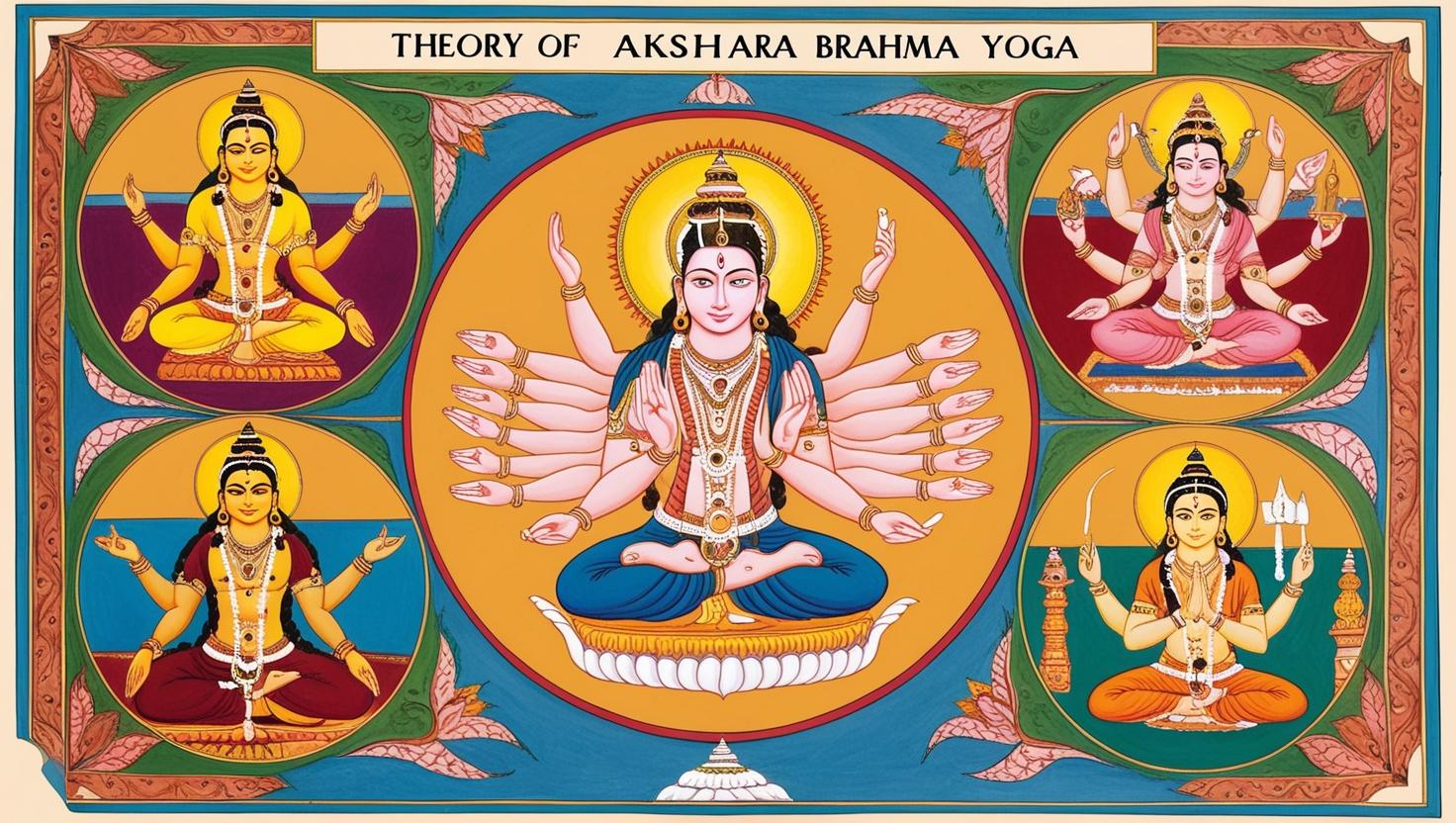
Introduction
Bhagavad-Gītā Bhāṣyam – Dhyāna Śloka
The Dhyāna Śloka that precedes Ādi Śaṅkarācārya’s Bhagavad-Gītā Bhāṣyam is not a mere ceremonial invocation. It is a condensed philosophical vision, encapsulating the entire Advaitic teaching that unfolds throughout the Gītā and its commentary. Before entering discourse, argument, and analysis, the seeker is invited into contemplative alignment with the lineage (paramparā), the method (jñāna), and the goal (mokṣa). This opening meditation establishes that knowledge alone liberates, that such knowledge flows through an unbroken tradition of teachers, and that Śrī Kṛṣṇa—the teacher of the Gītā—is not merely historical but the very embodiment of Brahman as the supreme Guru. The Dhyāna Śloka thus prepares the intellect, purifies intention, and orients the seeker toward non-dual realization. Click Here To Access more other text.

Central Focus of the Dhyāna Śloka
Śaṅkarācārya’s Dhyāna Śloka serves four essential purposes:
- Invocation of the Guru-Śiṣya Paramparā
- Establishment of Vedānta as a means of direct knowledge
- Identification of Śrī Kṛṣṇa with Brahman
- Orientation of the seeker toward inner contemplation rather than ritualism
Unlike devotional stotras aimed at emotional elevation alone, this śloka is a meditative condensation of Advaita Vedānta. Click view PDF.
Sanskrit Text (Devanāgarī)
(Representative Dhyāna Śloka – wording may vary by recension)
वासुदेवेन्द्रयोगीन्द्रं नत्वा ज्ञानप्रदं गुरुम् ।
मुमुक्षूणां हितार्थाय गीता भाष्यं करोम्यहम् ॥
Transliteration
vāsudevendra-yogīndraṁ natvā jñāna-pradaṁ gurum |
mumukṣūṇāṁ hitārthāya gītā-bhāṣyaṁ karomyaham ||
Word-by-Word Meaning
वासुदेव–इन्द्र–योगीन्द्रम् (vāsudeva–indra–yogīndram)
– Vāsudeva (Śrī Kṛṣṇa), the supreme among yogīs and teachers Click view PDF.
नत्वा (natvā)
– having bowed down / having meditated upon
ज्ञान–प्रदम् (jñāna-pradam)
– the giver of liberating knowledge
गुरुम् (gurum)
– the Guru
मुमुक्षूणाम् (mumukṣūṇām)
– of those who seek liberation
हित–अर्थाय (hita-arthāya)
– for the welfare and benefit
गीता–भाष्यम् (gītā-bhāṣyam)
– commentary on the Bhagavad-Gītā
करोमि अहम् (karomi aham)
– I undertake / I compose Click view PDF.
English Translation
“Having bowed to Vāsudeva, the supreme yogī and teacher, the giver of liberating knowledge, I undertake this commentary on the Bhagavad-Gītā for the benefit of those who seek liberation.”

Philosophical Significance of the Dhyāna Śloka
1. Śrī Kṛṣṇa as the Supreme Guru
Śaṅkara identifies Kṛṣṇa not merely as a divine personality, but as Brahman functioning as a teacher. This affirms that:
-
The Gītā is śāstra-pramāṇa (a valid means of knowledge)
-
Its teaching is directly revelatory, not symbolic or mythological
-
Liberation is transmitted through instruction, not grace alone Click view PDF.
2. Knowledge (Jñāna) as the Sole Means to Liberation
By emphasizing jñāna-pradam (giver of knowledge), the śloka decisively establishes:
-
Action (karma) cannot destroy ignorance
-
Devotion (bhakti) culminates in knowledge
-
Mokṣa arises only from Self-knowledge
This anticipates Śaṅkara’s consistent argument throughout the Bhāṣya. Click view PDF.
3. The Role of the Guru-Paramparā
The act of bowing (natvā) is not personal humility alone; it signifies:
-
Submission of ego to knowledge
-
Alignment with an unbroken lineage
-
Recognition that truth is received, not invented
Vedānta is thus preserved as a living transmission, not speculation. Click view PDF.
4. Compassion as the Motive for Teaching
Śaṅkara states explicitly that the Bhāṣya is written:
-
Not for debate
-
Not for fame
-
Not for ritual authority
But “for the welfare of mumukṣus”—those who intensely seek freedom.
This establishes Vedānta as a soteriological enterprise, not mere philosophy. Click view PDF.

Meditative Import of the Dhyāna Śloka
The śloka functions as a contemplative pause before intellectual engagement:
-
The mind is turned inward
-
Reverence replaces restlessness
-
Inquiry becomes sacred
It reminds the student that understanding is not accumulation of ideas, but removal of ignorance through insight. Click view PDF.
Key Advaitic Teachings Encapsulated
-
Brahman alone teaches Brahman
-
Knowledge is immediate, not produced
-
The Self is ever-liberated
-
The Gītā is a mirror, not a ladder
How to Study the Dhyāna Śloka
Recommended Contemplative Approach
-
Chant slowly before study
-
Reflect on the role of the Guru
-
Withdraw expectation of ritual reward
-
Enter study as self-inquiry
Study Attitude
-
Reverential but discriminative
-
Devotional yet rigorous
-
Contemplative, not mechanical Click view PDF.
Why the Dhyāna Śloka Is Essential
Philosophical Reason
It establishes the epistemology of Advaita.
Practical Reason
It purifies motivation before study.
Spiritual Reason
It aligns the seeker with liberating knowledge, not mere learning.
Conclusion
The Dhyāna Śloka of Bhagavad-Gītā Bhāṣyam is a gateway into Advaita Vedānta. In a few precise lines, Śaṅkarācārya invokes the Guru, defines the means, clarifies the goal, and situates the seeker within a lineage of truth. Properly contemplated, this śloka itself becomes a meditation on non-duality, ensuring that the study of the Gītā unfolds not as scholarship alone, but as a movement toward direct Self-realization.
Join Our Classes:
The Bhagavad Gita is more than just a book—it’s a guide to living with balance and peace. Our classes make its deep wisdom easy to understand and apply in everyday life. Join us to explore the teachings and see the world in a new light!