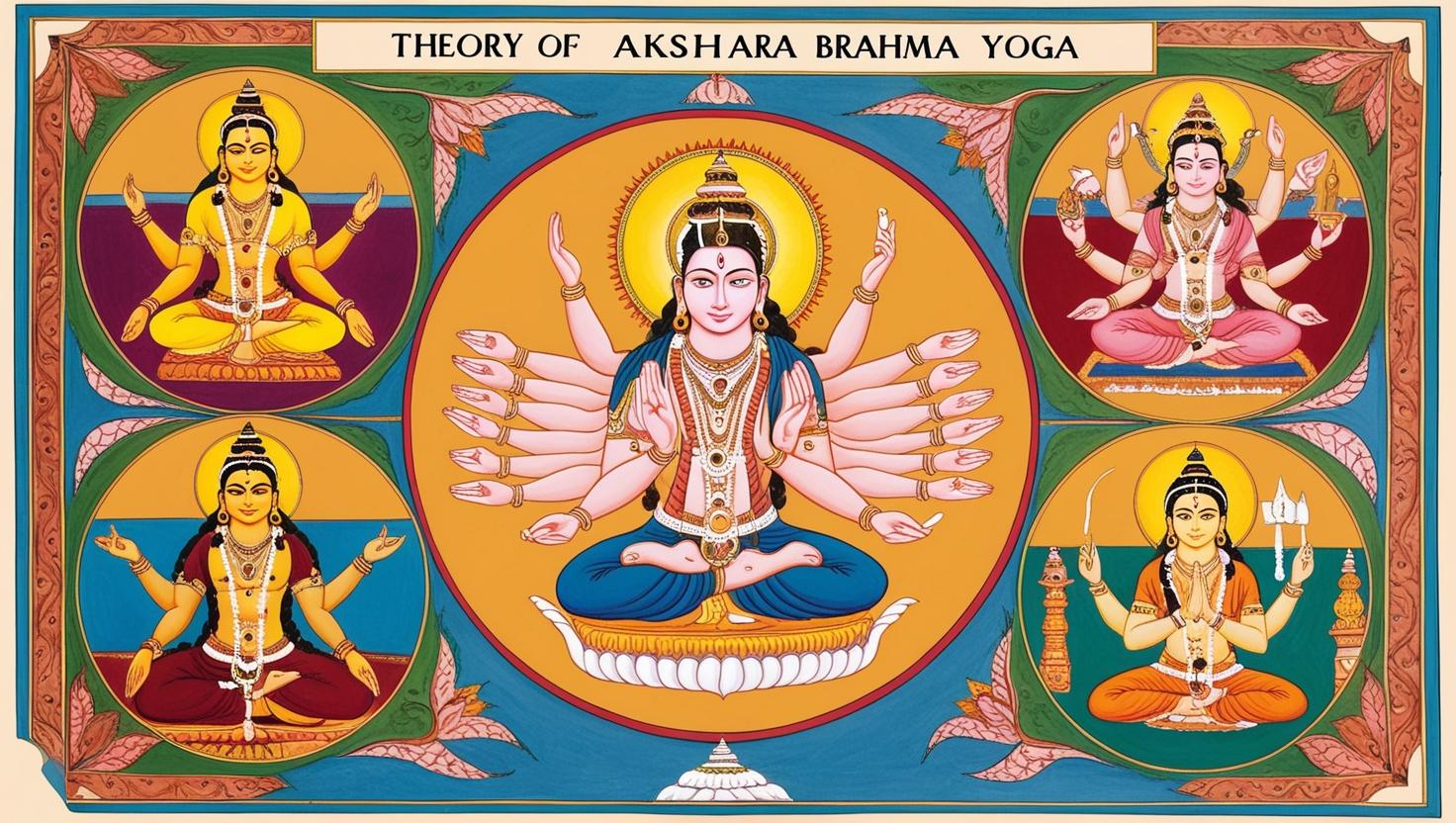
Part-1 of Chapter 14 – Guṇa-Traya-Vibhāga Yoga
Chapter 14 of the Bhagavad Gita contains 27 verses and is titled Guṇa-Traya-Vibhāga Yoga — the Yoga of the Distinction of the Three Modes (Guṇas) of Material Nature. In this chapter, Lord Krishna explains to Arjuna that all of worldly life and experience operates under three fundamental qualities — Sattva (goodness), Rajas (passion), and Tamas (ignorance). These three qualities are inherent in nature (prakṛti) and influence every aspect of human behavior, thought, and destiny. Krishna then teaches how one can recognize, understand, and ultimately rise above these qualities — because the soul itself (the Self / atman) is beyond them. Understanding these guṇas is essential for both self-understanding and spiritual liberation. Click Here To Access more other text.

Meaning of Guṇa-Traya-Vibhāga Yoga
-
Guṇa — a fundamental quality or tendency
-
Sattva — purity, harmony, knowledge
-
Rajas — activity, desire, passion
-
Tamas — inertia, ignorance, delusion
This yoga teaches that all life, action, emotion, and thought arise through these three modes of nature, which bind the soul to samṣāra (the cycle of birth and death). Liberation, however, comes by rising beyond these qualities through spiritual insight and devotion to God. Click view PDF.
Significance of Chapter 14
Chapter 14 is pivotal because it:
-
Explains how nature shapes character and experience
-
Shows how the guṇas influence destiny and rebirth
-
Teaches how to observe the guṇas in oneself
-
Points toward transcendence (guṇātīta)
-
Connects psychological understanding to spiritual freedom
This chapter bridges inner psychology and spiritual evolution by revealing why we think, act, and feel the way we do — and how to move beyond conditioned nature.
Verse & Meaning
Verse 14.1 – Introduction to Supreme Knowledge
Sanskrit
श्रीभगवानुवाच |
परं भूयः प्रवक्ष्यामि ज्ञानानां ज्ञानमहंतमम् |
यज्ज्ञात्वा मोक्ष्यसे सर्वक्लेशातून्विधम् ॥ १ ॥
Meaning
The Blessed Lord said: “Now I shall again declare to you the supreme of all knowledge — knowing which you will be freed from all misery.”
Teaching
-
Krishna introduces a profound spiritual science — knowledge of the three modes and how to transcend them.
-
This knowledge is not academic, but transformative. Click view PDF.

Verse 14.2 – Refuge in Supreme Truth
Sanskrit
ये त्वेतदविज्ञानं प्रतिष्ठापयन्तेऽर्थतोऽपि |
त्रिविधं सम्प्राप्तं जन्म न जायते न विद्यते ॥ २ ॥
Meaning
Those who take refuge in this wisdom and unite with Me are not reborn at cosmic creation times, nor do they dissolve at dissolution.
Teaching
-
True scientific knowledge of the guṇas transcends birth and death.
-
It stabilizes the mind in an eternal perspective. Click view PDF.
Verse 14.3–4 – All Life from Prakṛti and the Three Guṇas
Sanskrit
मयैवैते निहताः पूर्वमेव निमित्तमात्रं भवेत् |
न च मे तेष्यस्ति अन्यः शेषोऽभवत् प्रत्ययः ॥ ३–४ ॥
Meaning (Summary)
Krishna says: material nature is the womb (yoni) for all life, and He is the seed-giving father. Creation arises from the interaction of prakriti with the Divine impulse.
Teaching
-
All beings arise through nature (prakriti), yet the self is beyond it.
-
The Divine is both source and sustainer. Click view PDF.
Verse 14.5 – The Three Guṇas Bind Life
Sanskrit
सत्त्वं रजस्तम इति गुणा: प्रकृतिसम्भवाः |
निबध्नन्ति महाबाहो देहे देहिनमव्ययम् ॥ ५ ॥
Meaning
Sattva, Rajas, and Tamas — these three guṇas, born of material nature, bind the indestructible embodied soul in the body.
Teaching
-
The three qualities of nature are conditioning forces.
-
The soul itself is unchanging and eternal, but becomes bound by association with guṇas. Click view PDF.
Verse 14.6 – Nature of Sattva (Goodness)
Sanskrit
सत्त्वं सुप्रकाशमात्मसमाधानशीलम् |
ज्ञानयोगव्यवस्थितमात्मदर्शिनम् स्मृतम् ॥ ६ ॥
Meaning
Sattva is illuminating, steadying the mind, free of sickness, and leads to clarity and wisdom.
Teaching
-
Sattva promotes purity, knowledge, and peace.
-
However, it still binds through attachment to happiness and wisdom. Click view PDF.
Verse 14.7 – Nature of Rajas (Passion)
Sanskrit
राजसस्तेजो मात्रं दुःखवासवदूढम् |
कामाभिभुक्तोऽमृष्टर्योऽभिजायते तत्र वैरिणः ॥ ७ ॥
Meaning
Rajas is passionate, driven by desires and attachments; it binds one to action, pain, and restless pursuit.
Teaching
-
Rajas creates desire-based motivation, leading to attachment and frustration.
-
It drives activity but also binds through results. Click view PDF.
Verse 14.8 – Nature of Tamas (Ignorance)
Sanskrit
तमो भूत्वा मलनिभं विषमव्यक्तेरुत |
निर्धूतस्य तु जायते मृत्युसंनिपातः ॥ ८ ॥
Meaning
Tamas is dull, deluding, and ignorant; it binds through negligence, laziness, and unconsciousness.
Teaching
-
Tamas obscures understanding and encourages inertia and confusion.
-
It is the most binding because it opposes awareness. Click view PDF.

Verse 14.10 – Dynamics of the Guṇas
Sanskrit
कदाचित्सत्त्वमहं जातो राजसं तदोऽजायत |
कदाचित्तामसं केशि रजश्चापि मतो मतः ॥ १० ॥
Meaning
Sometimes Sattva prevails over Rajas and Tamas; sometimes Rajas dominates, and sometimes Tamas overcomes both.
Teaching
-
The guṇas are interacting forces, not fixed states.
-
Human nature swings between clarity, desire, and ignorance depending on conditions. Click view PDF.
Verse 14.14–15 – Destinies Based on Dominance
Sanskrit
यदा सत्त्वे प्रवृद्धो भूत्वा जन्म असंशयः |
सत्त्वसम्पन्नो यान्ति ब्रह्म लोकं विशिष्यतः ॥ १४ ॥
Meaning
When the mind is dominated by Sattva at death, one attains the pure realms of knowledge. If passion or ignorance dominate, rebirth is in worlds of action or delusion respectively.
Teaching
-
The moment of death reflects life’s dominant quality.
-
Guṇas shape destiny. Click view PDF.
Verse 14.19 – Transcending the Guṇas
Sanskrit
एषा ब्राह्मी स्थितिः प्रत्यका यज्ञस्तपःस्वाध्ययः |
कर्मयोगो विशुद्धात्मा विमुक्तः पार्थ स उच्यते ॥ १९ ॥
Meaning
One who transcends the three guṇas, balanced in yoga and inner purity, becomes free and is said to be liberated.
Teaching
-
Transcendence comes by seeing the guṇas without identification.
-
Such a person is balanced, detached, and free. Click view PDF.

Psychological & Spiritual Dimensions
Chapter 14 teaches that:
-
Our mental tendencies and moral character arise from the interplay of the three guṇas.
-
Sattva reflects clarity, Rajas reflects desire, and Tamas reflects ignorance.
-
None of the guṇas are themselves final — they bind the soul until transcended.
-
Transcending them involves self-observation, detachment, and devotion to the divine.
Practical Applications
Observe Your Inner States
Notice when Sattva (clarity), Rajas (desire), or Tamas (inertia) is dominant — and see how they shape your choices and reactions.
Cultivate Sattva
Through mindfulness, purity of diet, meditation, selfless action, and study of scriptures — enhance Sattva for greater insight. Click view PDF.
Transcend Through Devotion
By surrendering the mind to the Divine — as Krishna teaches elsewhere in the Gita — one becomes guṇātīta (beyond the guṇas).