Arjuna Vishada Yoga: When Life Feels Like a Battlefield
A Deep Real-Life Explanation of Bhagavad Gita Chapter 1
Introduction
The Bhagavad Gita does not begin with victory, motivation, or success.
It begins with a breakdown. Click Here To Access more other text.
Chapter 1, Arjuna Vishada Yoga, is not about war strategies.
It is about what happens inside a human being when life pushes them into an impossible situation.
This chapter mirrors the modern human condition:
stress, confusion, emotional overload, and decision paralysis. Click here to View Chapter 1.

Understanding the Symbols
Before going deeper, understand this clearly:
-
Battlefield = Life situation
-
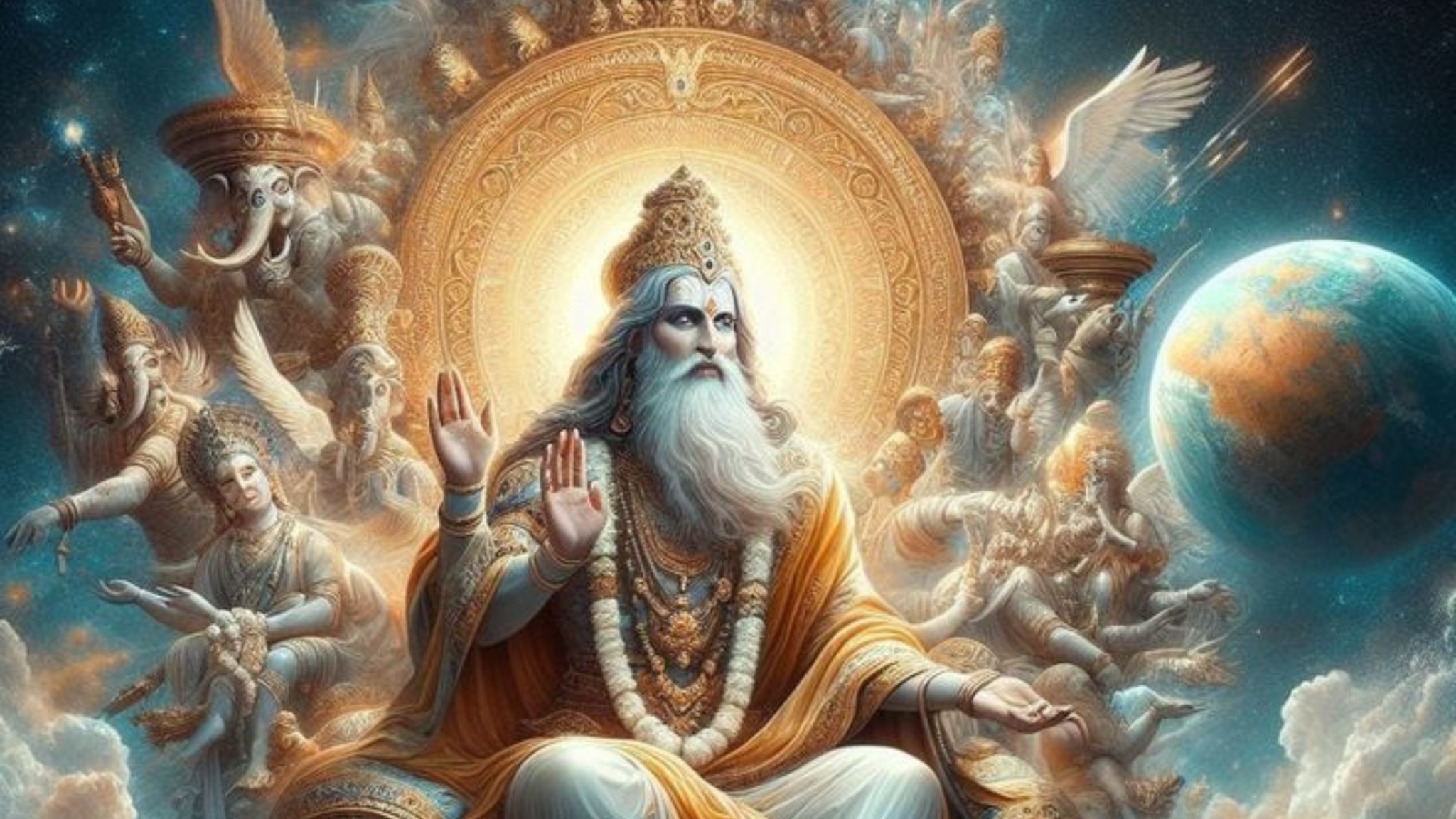
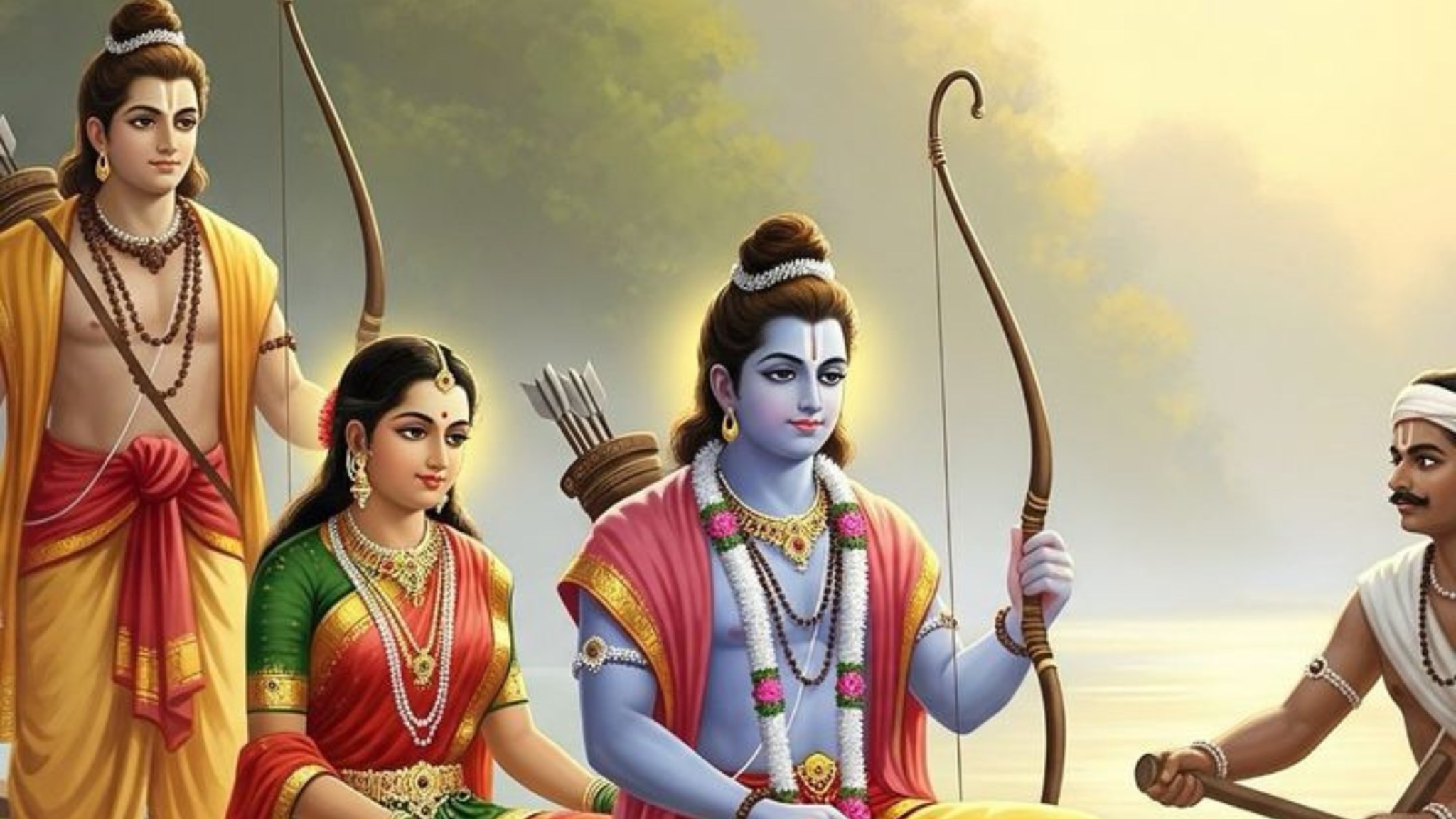
Arjuna = You
-
Krishna = Your inner clarity / higher wisdom
The war outside is only a reflection of the war within.
Arjuna’s Breakdown: When We Break Down in Life
Arjuna breaks down to the point where he cannot even lift his weapon.
In real life, we break down when:
-
we cannot make decisions
-
we cannot express what we truly feel
-
the mind feels unbearably heavy
Outwardly, people think we are strong and capable.
Inwardly, we are exhausted and overwhelmed.
This inner collapse is called Vishada — deep mental distress. Click here to View Chapter 1.
The Battlefield Moment in Real Life
At some point, life places us in a moment like this:
“I must do something here…
but my mind refuses to cooperate.”
This happens when:
-
you hate your job, but your family depends on you
-
a relationship is toxic, but attachment keeps you stuck
-
you know the right decision, but fear blocks you
-
you want to speak the truth, but consequences scare you
This is the real Kurukshetra —
duty versus emotion.
Moral Confusion: When the Right Choice Feels Wrong
Arjuna asks:
“What is the use of victory
if my own people are destroyed?”
We ask:
-
“If I succeed, will I hurt my parents?”
-
“If I choose my happiness, will I disappoint someone?”
This is moral anxiety.
Even the right choice feels heavy with guilt. Click here to View Chapter 1.

Physical and Mental Symptoms: Still Relevant Today
Arjuna experiences:
-
trembling body
-
dry mouth
-
weapon slipping from his hands
-
a blank mind
Modern humans experience:
-
sleepless nights
-
tightness in the chest
-
endless overthinking
-
staring at the phone without purpose
-
the looping question: “What should I do?”
This is not weakness.
This is nervous system overload. Click here to View Chapter 1.
Why Krishna’s Silence Matters
In Chapter 1, Krishna does not advise or lecture.
He simply listens.
This is crucial because:
-
a mind in breakdown is not ready for solutions
-
logic cannot enter emotional overload
The first healing message is:
“You are safe.
You are understood.”
In real life, advice is common.
True listening is rare.
Krishna represents that rare presence. Click here to View Chapter 1.
Surrender: The Real Turning Point
Finally, Arjuna admits:
“I don’t know what to do.
I am confused.
Please guide me.”
This is not weakness.
This is ego dissolving.
When the belief “I must control everything” collapses,
true healing begins.
The Brutal Truth of Chapter 1
Clarity comes only after confusion is fully faced.
Most people:
-
escape
-
distract themselves
-
numb their emotions
Arjuna does none of this.
He collapses honestly.
That honesty makes transformation possible. Click here to View Chapter 1.
This Chapter Is Not About War
Chapter 1 is about:
-
anxiety
-
depression
-
identity crisis
-
emotional burnout
-
decision paralysis
That is why the Gita feels so close to modern psychology. Click here to View Chapter 1.

Real-Life Takeaway
If you feel broken, it is not the end — it is the beginning.
If you feel confused, it is not failure — it is growth.
If you want to run away, that is escapism — not clarity. Click here to View Chapter 1.
Final Truth
If life has to change,
false strength must fall first.
Only then can real strength be built.
Chapter 1 does not teach how to win a war.
It teaches how to face inner collapse.