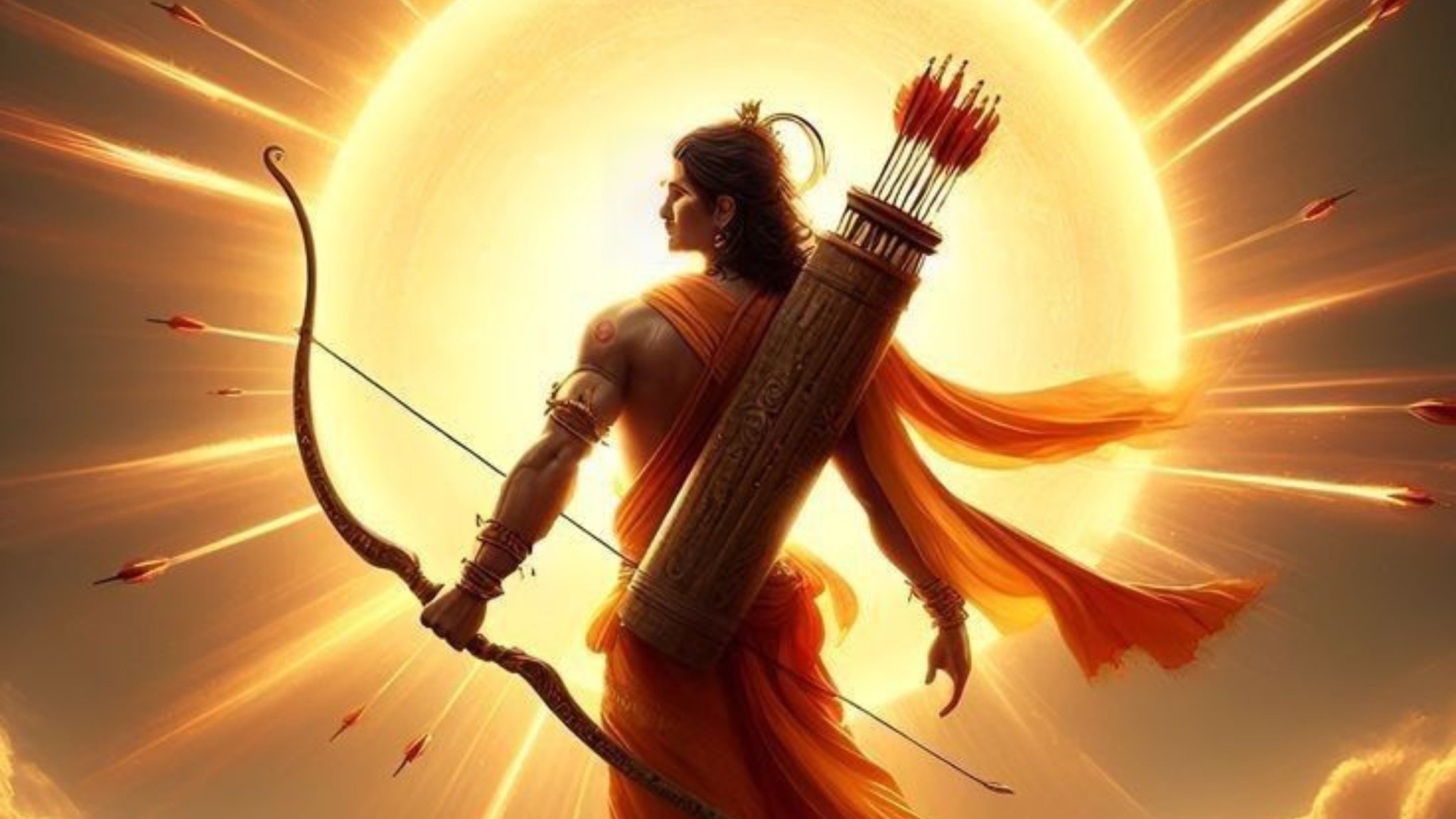
Bhagavad Gita — Chapter 9 (Rāja-Vidyā Rāja-Guhya Yoga)
1. What is Chapter 9 titled?
Answer: It’s called Rāja-Vidyā Rāja-Guhya Yoga — The Yoga of the Royal Knowledge and the Royal Secret, revealing the deepest spiritual teaching of the Gita. Click Here To Access more other text.
2. What is the “royal knowledge” (Rāja-Vidyā)?
Answer: The supreme, most sacred knowledge that leads to liberation, not just intellectual understanding but realisation and transformation.

3. Why is this knowledge called a “royal secret”?
Answer: Because it’s profound, deeply transformative, and not understood or practised by everyone — it requires sincerity, faith, and devotion. Click Here To Access.
4. What happens when someone knows this knowledge?
Answer: They are freed from sorrow, bondage, ignorance, and the cycle of birth and death.
5. Is this teaching easy to practise?
Answer: Yes — though profound, it is practical and directly realizable through devotion and surrender.
6. What role does faith play in this chapter?
Answer: Faith (śraddhā) is essential — without sincere faith, one cannot truly grasp or benefit from this royal knowledge. Click Here To Access.
7. How does Krishna describe His presence in the world?
Answer: He pervades and sustains the entire universe while remaining the transcendent source beyond it.
8. What mistakes do ignorant people make about God?
Answer: They think the Supreme is limited, separate, or not involved with the world, which leads them into confusion and bondage.

9. What is the true purpose of religious rituals?
Answer: Rituals done for selfish gain (material reward) do not free the mind — only devotion and surrender connect a seeker to the Divine. Click Here To Access.
10. How does Krishna define devotion (bhakti) here?
Answer: As single-pointed faith and steady remembrance of the Divine, not mere outward ritual.
11. What does Krishna say about offerings to God?
Answer: Even simple offerings — a leaf, flower, fruit, or water — made with true devotion are accepted by Him.
12. Does God reject anyone?
Answer: No — sincere devotion, even from those considered sinful or imperfect, is welcomed and accepted. Click Here To Access.
13. What happens when devotion becomes steady?
Answer: It removes fear, ego, ignorance, and attachment, and moves the seeker toward liberation.
14. How should one live daily according to this chapter?
Answer: Perform actions with devotion, offer work to the Divine, and remain unattached to the results.
15. What happens to a devotee who constantly remembers the Divine?
Answer: Krishna promises that such a devotee attains Him and is never lost or abandoned.
16. How is this chapter both knowledge and devotion?
Answer: It blends wisdom (jñāna) — truth about reality — with devotion (bhakti) — the heart-felt turning toward God. Click Here To Access.
17. What is the difference between worldly knowledge and this royal knowledge?
Answer: Worldly knowledge can be intellectual, but royal knowledge transforms inner consciousness and leads to freedom.
18. How does Krishna encourage surrender?
Answer: By assuring that those who fix their mind on Him and worship Him with devotion will reach Him and be protected.
19. Does this chapter emphasize love or fear?
Answer: Love — Krishna emphasizes devotion from the heart, not fear of punishment or reward.
20. Q: What is the central teaching of Chapter 8?
A: The central teaching is that lifelong remembrance of the Divine, steady meditation, and disciplined living prepare one for a conscious and peaceful departure from life — leading to liberation