Bhagavad Gita — Chapter 2
A Deep Guide for Everyday Life
Chapter 2 is where Krishna begins the heart of His teaching.
Arjuna moves from confusion and fear to clarity of action and peace of mind.
This chapter is a practical manual for anyone who struggles with doubts, anxiety, self-worth, or decision-making. Click Here To Access more other text.
1. Arjuna’s Dilemma Is Our Dilemma
Arjuna says:
“My limbs tremble… my mind is confused… I don’t see any good in killing my own teachers and relatives.”
This isn’t just battlefield fear — it’s human hesitation, moral doubt, emotional overwhelm, and identity crisis.
👉 The Gita’s first deep truth:
The real battle in life is inside your mind, not outside it. Click Here To Access.

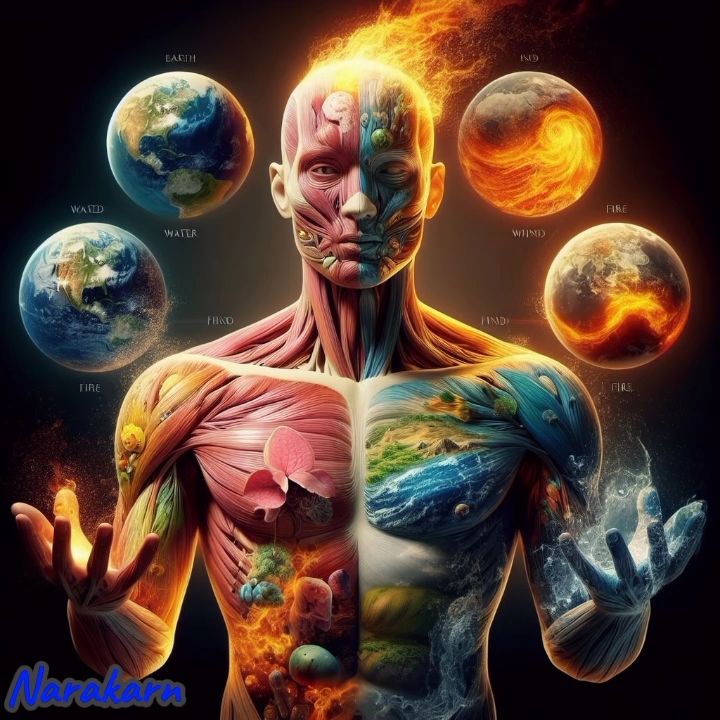
2. The Soul Is Eternal — Body Is Temporary
Krishna starts by teaching:
👉 You are not your body
👉 You are the eternal Self (Atman)
Bodies change — birth, growth, decay, death — but the Self never dies or changes. Recognizing this:
✔ reduces fear of loss
✔ diminishes fear of death
✔ brings courage in uncertainty
💡 Life takeaway:
Your identity is not skin-deep. The Self is constant — your changing thoughts and moods are not you. Click Here To Access.
3. Duty With Detachment — The Work Mindset
Krishna says:
👉 “You have the right to action, but not to the fruits of action.”
This verse is the foundation of Karma Yoga — action with focus, sincerity, and zero attachment to results.
💡 Everyday application:
-
Do your tasks fully
-
Don’t attach your happiness to success or failure
-
Let go of “winning = worthiness”
Your effort defines your character — not the outcome.

4. The Selfless Performer
Krishna teaches:
-
We act because action is unavoidable in life
-
Avoiding duty because of fear or desire leads to inner conflict
-
Acting without ego reduces mental friction
👉 In modern life:
Don’t procrastinate because of fear
Don’t overthink success or status
Just do what’s needed with clarity and calm Click Here To Access.
5. Balance In Pleasure and Pain
Krishna explains that:
👉 Joy, pleasure, pain, discomfort — all are temporary.
They come and go like weather.
✔ Recognizing this creates emotional resilience
✔ You stop over-identifying with mood swings
✔ Stress softens
💡 Life truth:
You don’t have to escape emotions — just understand them. Click Here To Access.
6. Steady Wisdom (Sthita-prajna)
The ideal person — the steady wise mind — is described as someone who:
✔ Is calm in pleasure and pain
✔ Is free from extreme cravings
✔ Is not ruled by fear or ego
✔ Acts with clarity and self-control
This isn’t spirituality for mystics — it’s maturity in everyday life.
7. Thoughts vs Awareness
Many think controlling the mind means stopping thoughts.
Krishna teaches:
❌ You cannot stop the mind
✅ But you can observe it without attachment
This shift — from “I am my thoughts” → “I am the observer of thoughts” — softens worry and anxiety.
💡 Analogy:
Thoughts are clouds — you are the sky. Click Here To Access.

8. Identity Beyond Ego
Chapter 2 also warns against:
-
Running life based on likes/dislikes
-
Craving approval or fear of criticism
-
Basing self-worth on external success
✔ The ego wants to protect position
✔ The Self wants clarity
Let ego loosen its grip.
That’s where freedom begins. Click Here To Access.
9. Final Depth — Action Is Freedom
The Gita’s ultimate message in Chapter 2:
👉 Do what’s right
👉 Do it sincerely
👉 Don’t cling to results
👉 Stay balanced through ups and downs
This transforms:
-
stress → peace
-
confusion → clarity
-
fear → courage
It doesn’t remove life’s challenges —
it teaches how to live through them fully.