Svetasvatara Upanishad – Introduction
The Svetasvatara Upanishad is a principal Upanishad of the Krishna Yajur Veda. It explores the nature of the Supreme Reality (Brahman), the identity of the individual soul (Ātman) with Brahman, the role of devotion (bhakti), meditation, and the path to liberation (moksha). The text harmonizes philosophical knowledge, meditation, and devotion, teaching that true wisdom comes from realizing the oneness of all existence. Click Here To Access more other text.

Clear Question & Answer Format (10 Q&A)
What is the Svetasvatara Upanishad?
Answer:
The Svetasvatara Upanishad is a spiritual text that investigates the cause of the universe, the nature of the Self, and the path to liberation through self-knowledge, meditation, and devotion.
👉 Life Connection:
It encourages deep reflection on existence rather than chasing temporary achievements. Click Here To Access.
Why is it called “Svetasvatara”?
Answer:
The name comes from the sage Svetasvatara, who is traditionally considered its teacher. It is composed of poetic verses that guide seekers toward truth.
👉 Life Connection:
A teacher’s guidance remains important because true understanding often needs insight, reflection, and careful exploration.
What does the Upanishad say about the cause of the universe?
Answer:
It explains that the universe is not created by chance, time, or nature alone but arises from Brahman, the supreme cause and essence of all existence.
👉 Life Connection:
Instead of seeing life as random, recognizing a deeper source gives meaning and purpose. Click Here To Access.
What is the nature of the Self (Ātman)?
Answer:
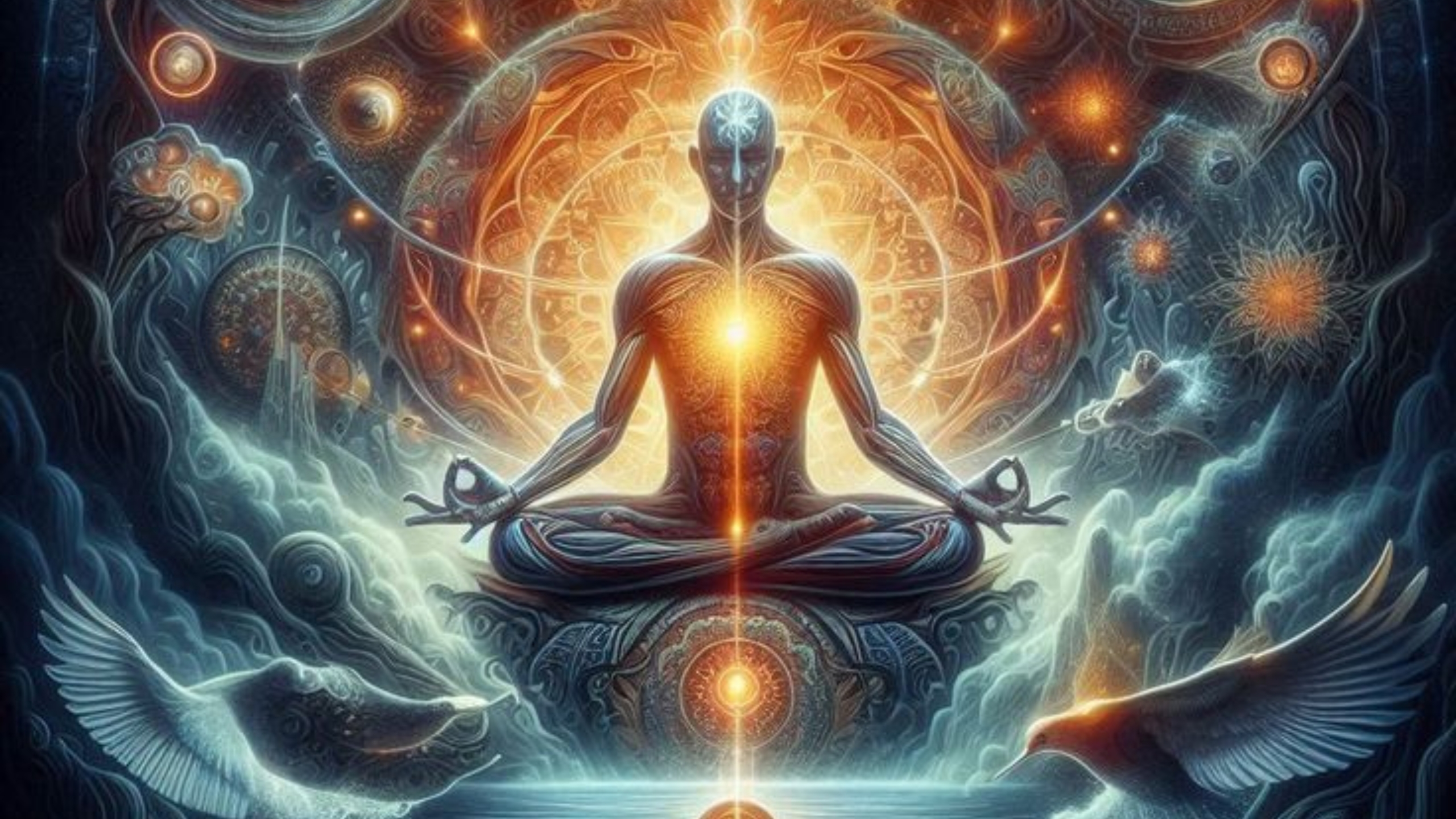
The Upanishad teaches that the individual Self and the supreme Brahman are fundamentally one, and realizing this unity leads to liberation.
👉 Life Connection:
When you see yourself as more than body, emotions, and roles, inner fears and insecurity fade.
Does the text talk about a personal God?
Answer:
Yes — it introduces a personal aspect of the divine, often associated with Rudra/Shiva, as the supreme being who pervades all creation.
👉 Life Connection:
This supports both devotion (bhakti) and knowledge (jnana) as ways to connect to a deeper dimension of life. Click Here To Access.
What role does meditation and yoga play?
Answer:
The Upanishad emphasizes meditation, self-discipline, and yoga as means to control the mind and realize Brahman within.
👉 Life Connection:
Meditation improves mental focus, reduces stress, and brings clarity in daily life.
Does the Svetasvatara Upanishad support devotion (bhakti)?
Answer:
Yes — it includes devotion to a personal divine aspect as a valid and powerful means toward realization alongside knowledge and meditation.
👉 Life Connection:
Faith and love in a higher power can offer emotional strength, comfort, and resilience. Click Here To Access.
How does the Upanishad explain ignorance (avidya)?
Answer:
Ignorance is not seeing the unity of the Self with Brahman. It keeps the soul bound to fear, desire, and the cycle of birth and death.
👉 Life Connection:
If you identify only with ego, thoughts, and roles, you remain restless and unhappy. Click Here To Access.
What is the goal according to this Upanishad?
Answer:
The goal is self-realization — understanding the oneness of the individual soul with the supreme Brahman, which brings liberation from suffering.
👉 Life Connection:
True peace and stability come when you stop identifying with temporary things and recognize your deeper nature.
Why is the Svetasvatara Upanishad relevant today?
Answer:
It blends knowledge, meditation, and devotion to help seekers face inner fears, identity confusion, and life’s uncertainty with courage and clarity.
👉 Life Connection: Click Here To Access.
In a world full of pressure, comparison, and emotional instability, this Upanishad offers practical spiritual tools for peace and inner strength.
Svetasvatara Upanishad – Final Conclusion
The Svetasvatara Upanishad is not merely an ancient text but a holistic guide to life. It teaches that the universe is rooted in a supreme reality (Brahman), and that self-knowledge, meditation, and devotion lead us to realize our deeper nature. Its teachings bridge philosophical inquiry with personal devotion, showing that peace and liberation do not come from external success but from knowing the Self. In a modern world full of stress, competition, and confusion, this Upanishad offers clarity, inner confidence, emotional stability, and lasting peace.