Mandukya Upanishad – Introduction
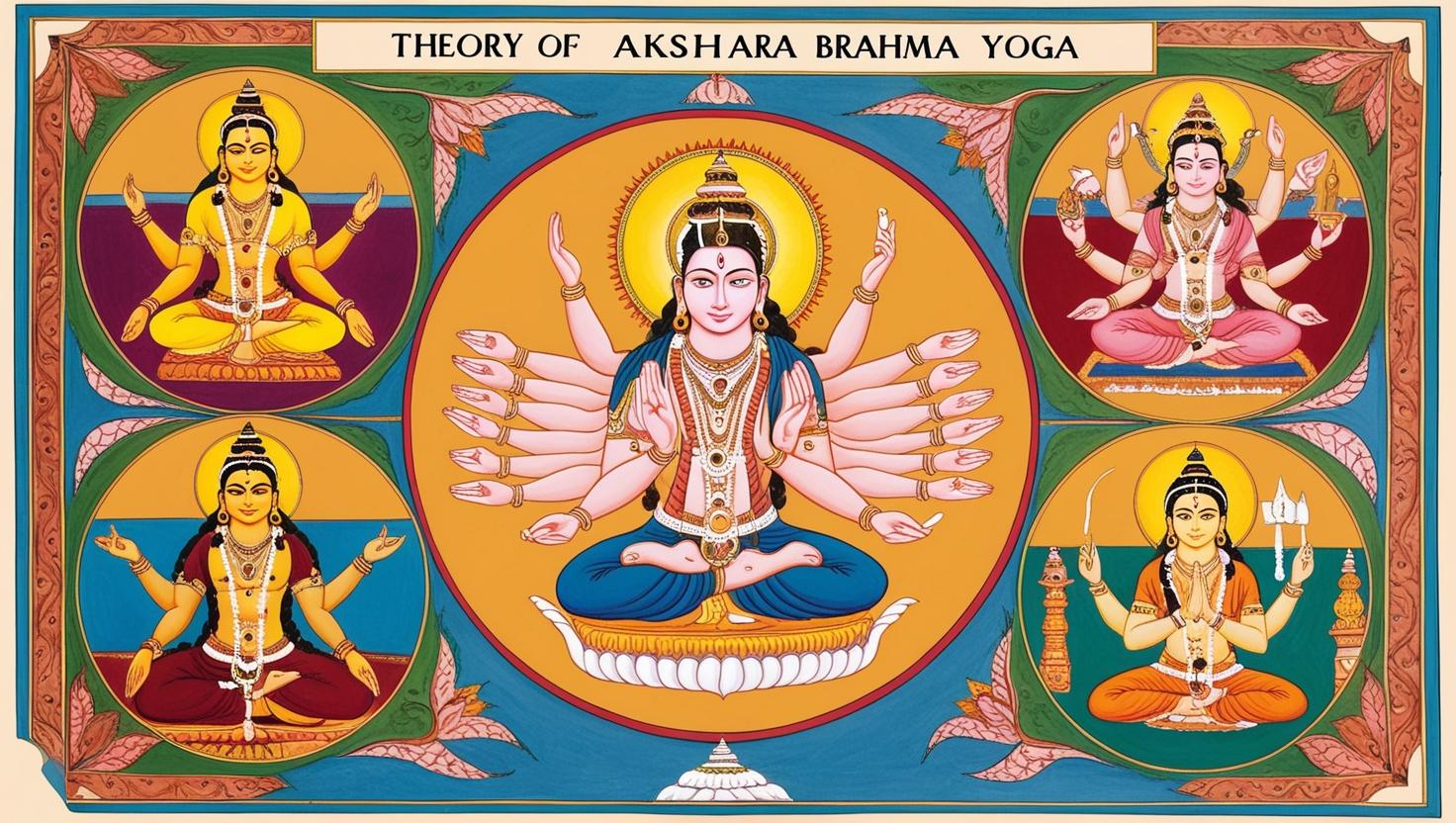
The Mandukya Upanishad is one of the shortest yet most profound Upanishads, associated with the Atharva Veda. It uniquely explains the nature of consciousness through four states of experience — waking, dreaming, deep sleep, and the transcendental state (Turiya). It also interprets the sacred syllable Om as a symbol of the entire reality. Its central message is that true liberation (moksha) comes from understanding the Self (Ātman) as pure consciousness beyond all states of experience. Click Here To Access more other text.

Clear Question & Answer Format (10 Q&A)
What is the Mandukya Upanishad?
Answer:
The Mandukya Upanishad is a short but profound Upanishad that explains the nature of reality and consciousness through the four levels of experience and by interpreting the sacred sound Om.
👉 Life Connection:
It helps people understand that not everything we experience — thoughts, dreams, sensations — is the final truth of “who we are.” Click Here To Access.
What does the Mandukya Upanishad teach about Om?
Answer:
It teaches that Om is not just a chant — it represents the entire reality and consciousness:
-
A — waking
-
U — dreaming
-
M — deep sleep
-
Turiya — the pure consciousness beyond all three
👉 Life Connection:
This teaches that inner peace is not only in ordinary experience but beyond mental noise and dreams — in pure awareness.
What are the four states of consciousness?
Answer:
The four states are:
-
Waking (Jagrat) — awareness of the external world
-
Dreaming (Svapna) — awareness of inner experiences
-
Deep Sleep (Sushupti) — undifferentiated rest without dreams
-
Turiya — pure consciousness beyond all experience
👉 Life Connection:
Understanding these states helps you observe your mind and reduce over-identification with thoughts or emotions.
What is Turiya?
Answer:
Turiya is the unchanging, eternal state of pure awareness — the real Self beyond waking, dreaming, and deep sleep.
👉 Life Connection:
When we realize ourselves as the witness behind thoughts and feelings, we become less reactive and more stable. Click Here To Access.
How does this text define ignorance (avidya)?
Answer:
Ignorance is identifying with the body, thoughts, and experiences as the Self instead of realizing pure awareness.
👉 Life Connection:
This is like thinking “I am only my problems or emotions.” But true peace comes from seeing those as temporary experiences, not your real identity.
What is the goal according to this Upanishad?
Answer:
The goal is Self-realization — to recognize one’s own nature as pure consciousness beyond all mental and physical states. Click Here To Access.
👉 Life Connection:
This reduces fear of failure, aging, or loss because awareness is constant even when circumstances change.
How does Om help with meditation?
Answer:
Meditating on Om helps a seeker settle the mind and gradually move from external distractions toward inner awareness and pure consciousness.
👉 Life Connection:
Using Om in meditation brings focus, emotional calm, and deeper self-awareness — especially in a world full of stress.

Why are waking, dreaming, and deep sleep not the ultimate reality?
Answer:
Because they are temporary and changing, while pure consciousness (Turiya) is unchanging, eternal, and the true Self. Click Here To Access.
👉 Life Connection:
Life is full of temporary problems and pleasures. When you see them as passing experiences, you become emotionally stronger and less disturbed.
What is the relation between consciousness and experience?
Answer:
Consciousness is the background that makes all experiences possible; experience does not define consciousness, but consciousness witnesses all experience.
👉 Life Connection:
Instead of reacting to every thought or emotion, observing your mind creates emotional balance.
Why is the Mandukya Upanishad relevant today?
Answer:
Because it teaches how to understand and quiet the mind — a skill that helps in stress, overthinking, anxiety, and identity confusion in modern life. Click Here To Access.
👉 Life Connection:
Knowing how the mind works and recognizing your deeper awareness helps improve focus, emotional stability, and inner peace.
Mandukya Upanishad – Final Conclusion
The Mandukya Upanishad is not just an ancient spiritual text — it is a psychological and philosophical guide to understanding consciousness and the nature of reality. By explaining the four states of awareness and identifying the eternal Self beyond them, it shows that liberation comes from realizing one’s own nature as pure consciousness. In a world filled with mental noise, distraction, stress, and identity confusion, its teachings offer clarity, emotional stability, and lasting inner peace. Meditation on Om and self-reflection help seekers move beyond transient experiences toward the unchanging awareness that is their true nature.