Introduction:
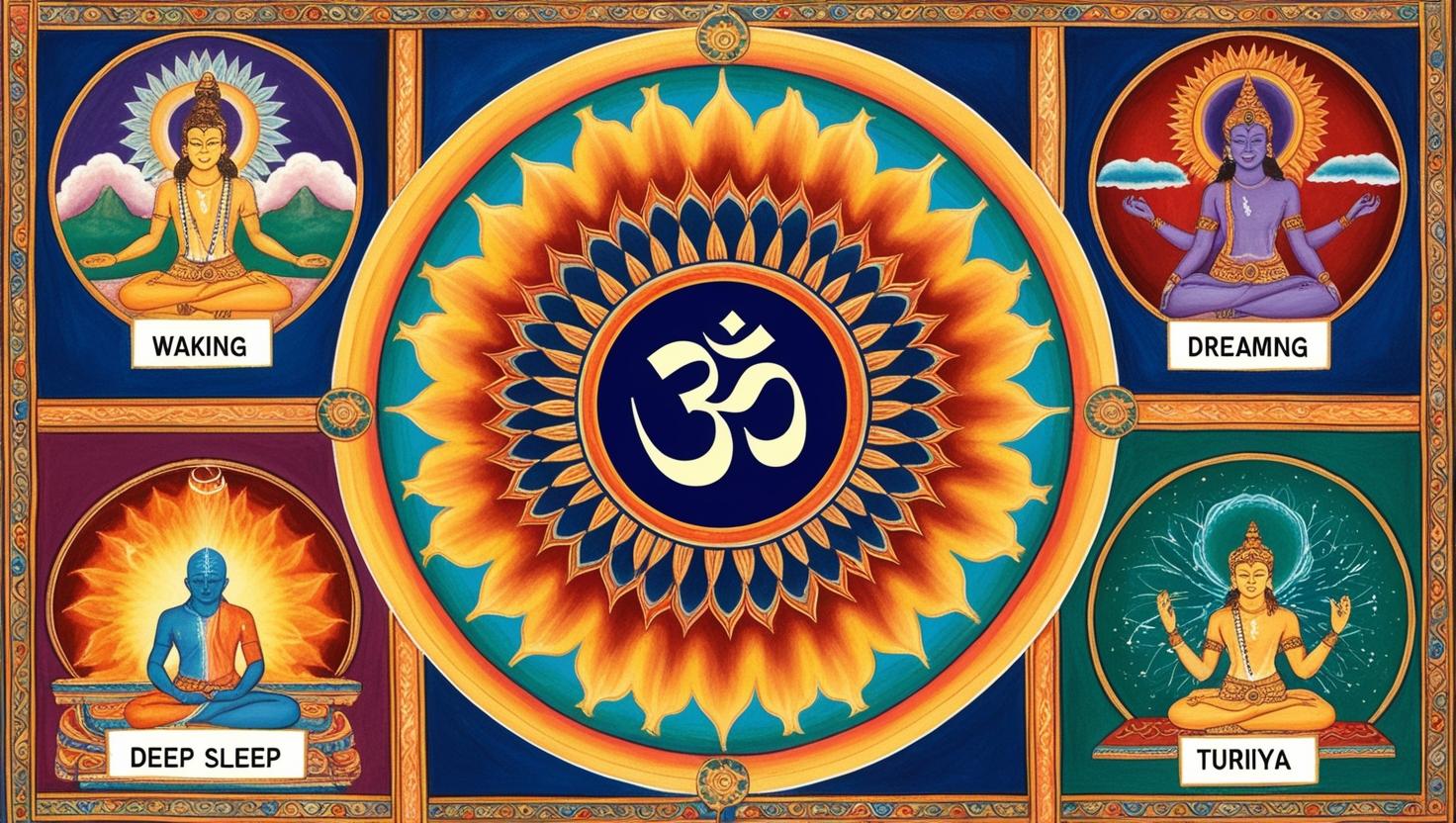
The Mandukya Upanishad, one of the principal Upanishads, is a concise yet profound text of just 12 mantras. It explores the nature of the Self (Atman) through the analysis of the syllable Om (Aum) and the three states of experience—waking, dreaming, and deep sleep—along with the fourth state, Turiya, which is pure consciousness. Despite its brevity, it captures the very essence of Advaita Vedanta by pointing to the unity of the individual self and ultimate reality, Brahman. Click Here To More Detail.
- Nirvana Shatakam (Atma Shatakam) – Click to view Chanting
- Dakshinamurthy Stotram – Click to view Chanting
- Vivekachudamani – Meditation Verses – Click to view Chanting
- Panchadasi – Click to view Chanting
- Mandukya Upanishad – Click to view Chanting
Through her clear and melodious chanting, she brings these ancient compositions to life, allowing practitioners and enthusiasts to connect with their profound teachings on a deeper level.

Composition Details: What is Mandukya Upanishad?
Origins and Meaning
The Mandukya Upanishad is one of the shortest yet most profound Upanishads, consisting of only 12 verses. It belongs to the Atharva Veda and is considered the most authoritative text on Advaita Vedanta, as it expounds the non-dual nature of reality.
This Upanishad explains the four states of consciousness and the symbolism of Om (Aum) as the ultimate reality, Brahman. It teaches that understanding the true nature of the Self (Atman) leads to liberation (Moksha).
It has been highly regarded by Adi Shankaracharya, who wrote an extensive commentary on it, stating that the Mandukya Upanishad alone is sufficient for enlightenment.
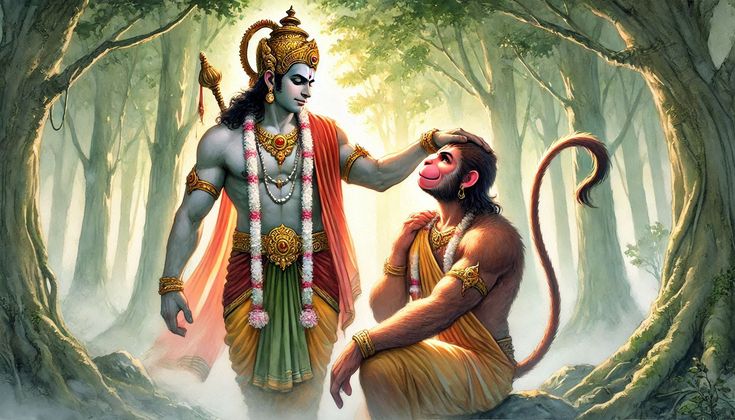
The Mandukya Upanishad is highly esteemed in the Muktikā Upanishad, where it is mentioned in a profound dialogue between two of the most significant figures in the Ramayana, Lord Rama and Hanuman. In this discourse, Rama emphasizes that the Mandukya Upanishad alone is sufficient to attain the ultimate knowledge leading to moksha (liberation). This underscores its paramount importance in the study of Vedanta and self-realization. Furthermore, the Muktikā Upanishad lists the Mandukya Upanishad as the sixth among the ten principal Upanishads, highlighting its significance in the spiritual tradition. Despite being one of the shortest Upanishads, consisting of only twelve verses, it encapsulates the essence of Advaita Vedanta, expounding on the nature of consciousness through the analysis of the sacred syllable “AUM” and the four states of awareness—waking (jagrat), dreaming (svapna), deep sleep (sushupti), and the ultimate state of pure consciousness (turiya). Due to its deep philosophical insights, it has been extensively commented upon by great sages, including Adi Shankaracharya, who regarded it as a key text for understanding the nature of the self and reality.
Mandukya Upanishad – Selected Verses
1. The Sacred Syllable Om (Aum)
ॐ इत्येतदक्षरमिदं सर्वं तस्योपव्याख्यानं।
“Om is the whole universe. It is the past, present, and future, and whatever is beyond time.”
2. The Four States of Consciousness
1. जाग्रत (Jagrat – Waking State): The state of experiencing the external world through the senses.
2. स्वप्न (Swapna – Dream State): The state where the mind creates its own world.
3. सुषुप्ति (Sushupti – Deep Sleep): The state of unconsciousness, where one is free from desires.
4. तुरीय (Turiya – The Fourth State): The ultimate, transcendental state beyond waking, dreaming, and deep sleep. It is pure awareness.
3. The Self Beyond the Three States
नान्तःप्रज्ञं, न बहिष्प्रज्ञं, न उभयतःप्रज्ञं।
“The Self is neither inwardly cognitive, nor outwardly cognitive, nor both. It is beyond the mind and senses.”
4. The Illusory Nature of the World
अद्वैतं शान्तं शिवं।
“It is non-dual, peaceful, and auspicious.”
This verse emphasizes Advaita (non-duality)—that reality is one without a second. The world is a mere projection of the mind and disappears upon realization of the Self.
5. Om as the Ultimate Reality
अमात्रश्चतुर्थं शिवं।
“The fourth state (Turiya) is beyond sound, beyond division, and is the ultimate auspiciousness.”
The Mandukya Upanishad concludes by stating that meditation on Om leads to self-realization and union with Brahman.
Exploring the Four States of Consciousness and the Non-Dual Nature of Reality:
-
Focus on Consciousness:
The Mandukya Upanishad, a short but profound text within the Atharva Veda, delves into the four states of consciousness: waking, dreaming, deep sleep, and the transcendent state (Turiya).
-
The Sacred Syllable “Om”:
The Upanishad emphasizes the significance of “Om” (Aum), which is seen as a symbolic representation of Brahman (the ultimate reality) and encompasses all states of consciousness.
-
Advaita Vedanta:
The Mandukya Upanishad is a foundational text for Advaita Vedanta, a school of Hindu philosophy that emphasizes the non-dual nature of reality, where the individual self (Atman) is ultimately identical with Brahman.
-
Not a Ritual Text:
Unlike some other Vedic texts that are used in rituals, the Mandukya Upanishad is primarily a philosophical and meditative text aimed at understanding the nature of reality and the self.
-
Short and Concise:
The Upanishad is relatively short, consisting of only twelve verses, yet it offers a profound exploration of fundamental philosophical concepts.
-
Attributed to Manduka:
The Mandukya Upanishad is attributed to the revelation of a sage called Manduka.
-
Moksha:
The Mandukya Upanishad is recommended in the Muktikā Upanishad as the one Upanishad that alone is sufficient for knowledge to gain moksha, or liberation.

Key Themes of Mandukya Upanishad
1. The Symbolism of Om (Aum)
Om represents the entirety of existence. Its three sounds—A (waking), U (dreaming), and M (deep sleep)—symbolize the three states of consciousness. The silence after Om represents the fourth state, Turiya, which is beyond experience and signifies pure awareness.
2. The Four States of Consciousness
The Upanishad systematically guides the seeker to go beyond bodily and mental identifications by understanding the four states of awareness. Liberation (Moksha) comes from realizing Turiya, the ever-present witness beyond the waking, dreaming, and deep sleep states.
3. Advaita (Non-Duality)
The text firmly establishes Advaita Vedanta, stating that the Self is the only reality, and the world is an illusion (Maya). Realization of this truth leads to permanent peace and bliss.
4. The Path to Self-Realization
The Upanishad provides a direct and logical path to self-inquiry, urging seekers to meditate on Om and recognize their true nature as unchanging consciousness.
Author and Composition Relation: How are They Related?
Vijaya Gosala’s association with the Mandukya Upanishad lies in her role as a conduit for its oral transmission. Through her precise and melodious chanting, she brings this profound Upanishadic teaching to life, making it more accessible for meditation, reflection, and self-inquiry.
Her Contributions Include:
- Preserving the Authenticity of the Chant
- Spreading the Teachings of Advaita Vedanta
- Aiding in Meditation and Self-Realization
- Bridging Ancient Wisdom and Modern Seekers
Conclusion
In conclusion, the Mandukya Upanishad is regarded as a complete scripture for spiritual realization. By understanding and meditating on Om and realizing Turiya, seekers transcend illusion and attain liberation. This Upanishad remains a timeless guide to self-knowledge, non-duality, and ultimate freedom.