Introduction:
The Sri Rudra Prashna, also known as Sri Rudram, is a sacred hymn from the Krishna Yajur Veda dedicated to Lord Shiva. It praises Rudra in his fierce and benevolent aspects, recognizing him as the all-pervading supreme reality present in every form of creation. Chanting this hymn is considered highly purifying, invoking divine grace, peace, and prosperity while removing negativity and obstacles. Click Here To More Detail.
Key Contributions:
- Proficient in Vedic recitations and temple rituals.
- Actively participates in major temple ceremonies and homams.
- Associated with platforms like Vedanta Students, where he shares knowledge on Vedic texts.
- Renowned for his melodic and precise chanting of scriptures.
Themes of Sri Rudra Prasna
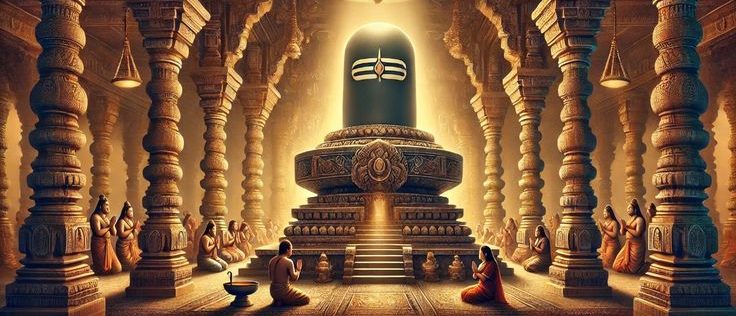
Sri Rudra Prasna, also known as Rudram, is a powerful Vedic hymn from the Krishna Yajurveda. It is dedicated to Lord Rudra (Shiva) and consists of two parts: Namakam (praising Rudra) and Chamakam (seeking divine blessings). Click Here To View.
Key Themes:
- Glorification of Lord Rudra – Describes Shiva’s cosmic presence, his fierce and benevolent aspects.
- Universal Omnipresence – Rudra is present in all beings, nature, and the universe.
- Destruction and Renewal – Shiva as the force of transformation, dissolving ignorance and karma.
- Compassion and Grace – Plea for forgiveness, protection, and well-being.
- Spiritual Purification – The chanting removes negative energies and purifies the devotee.
- Blessings for Prosperity – Chamakam lists material and spiritual desires, seeking divine abundance.
- Integration of Dualities – Rudra embodies both fearsome destruction and compassionate healing.

Explanation of Sri Rudra Prasna (Rudram)
Sri Rudra Prasna , commonly known as Rudram, is a powerful Vedic hymn from the Krishna Yajurveda. It is chanted to invoke Lord Rudra (Shiva) and his blessings for protection, prosperity, and spiritual upliftment. Rudram is divided into two sections:
1. Namakam (Verses of Reverence and Praise)
- Focus: Praises Lord Rudra in his various forms—fierce and benevolent.
- Meaning: It describes Rudra’s presence in nature, people, animals, and all aspects of creation.
- Purpose: Seeks forgiveness, purification, and divine protection from suffering and ignorance.
- Key Mantra: “Namah Shivaya”, the five-syllable mantra, is deeply embedded within it.
2. Chamakam (Verses of Divine Blessings)
- Focus: Requests spiritual and material blessings from Shiva.
- Meaning: Seeks health, wealth, knowledge, peace, and moksha (liberation).
- Purpose: Aligns the devotee with the cosmic order (Ṛta) and divine grace.
- Key Feature: Repeats “Cha Me” (meaning “May I receive”), emphasizing the fulfillment of all righteous desires. Click Here To View.
Significance of Rudram
- Spiritual Cleansing – Removes negative karma and obstacles.
- Universal Connection – Recognizes Shiva’s presence everywhere and in everything.
- Divine Blessings – Grants peace, health, prosperity, and liberation.
- Mantra Power – Considered one of the most potent Vedic chants for transformation and protection.
Benefits of Sri Rudra Prasna (Rudram)
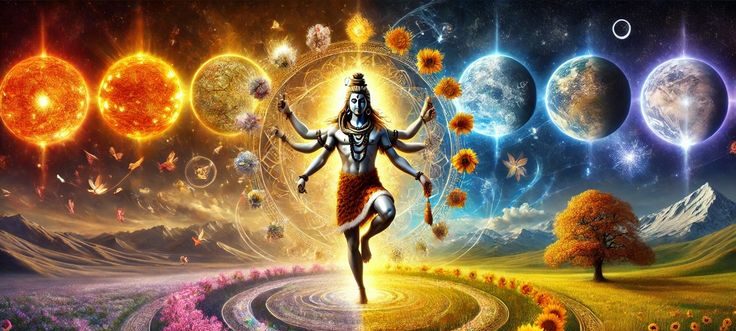
Chanting Sri Rudram is highly revered in the Vedic tradition and offers both spiritual and material benefits. The vibrations of Rudram bring divine grace, purification, and inner transformation.
1. Spiritual Benefits
Removes Negative Karma – Cleanses past sins and purifies the soul.
Invokes Lord Shiva’s Blessings – Brings peace, wisdom, and devotion.
Aids in Moksha (Liberation) – Helps attain self-realization and spiritual growth.
Enhances Meditation & Focus – Increases concentration and inner clarity.
Strengthens Connection with the Divine – Aligns the mind with universal energy.
2. Physical & Mental Benefits
Healing Power – The Maha Mrityunjaya Mantra in Rudram is a powerful chant for health and longevity.
Removes Fear & Anxiety – Instills inner peace and courage.
Boosts Mental Clarity & Memory – Helps in decision-making and reduces confusion.
3. Material & Life Benefits
Removes Obstacles – Eliminates hurdles in career, relationships, and personal growth.
Attracts Prosperity – Chamakam requests wealth, strength, food, and success.
Brings Protection – Shields from negative energies, accidents, and misfortunes.
4. Cosmic & Universal Benefits
Balances Nature – Rudram is chanted in temples for rain, fertility, and harmony in the environment.
Creates Vibrational Energy – Its sound waves purify surroundings and uplift consciousness. Click Here To View.

How Many Times to Chant Sri Rudra Prasna ?
The number of times Śrī Rudram is chanted depends on the devotee’s spiritual goals and tradition. Here are different practices based on Vedic tradition and karmic reflections:
1. Daily Chanting (Nitya Karma) – Once a day
Recommended for regular spiritual practice
Brings peace, purity, and divine protection
2. Special Occasions (Naimittika Karma) – 11 times
During Pradosham, Mondays, Maha Shivaratri, and other Shiva pujas
Strengthens devotion and blessings from Lord Shiva
3. Maha Rudra Parayana (Intensive Sadhana) – 121 times
Usually done over 11 days in temples or special prayers
Grants divine grace, prosperity, and fulfillment of desires
4. Ati Rudram (Highest Level of Chanting) – 14,641times
Conducted in grand yajnas (fire rituals) by priests and Vedic scholars
Considered one of the most powerful Shiva Upasanas
Karma-Based Chanting for Specific Benefits:
For Health & Healing – 11 times for recovery from illness
For Removing Obstacles – 21 times for protection from difficulties
For Spiritual Growth – Daily chanting brings moksha (liberation) Click Here To View.