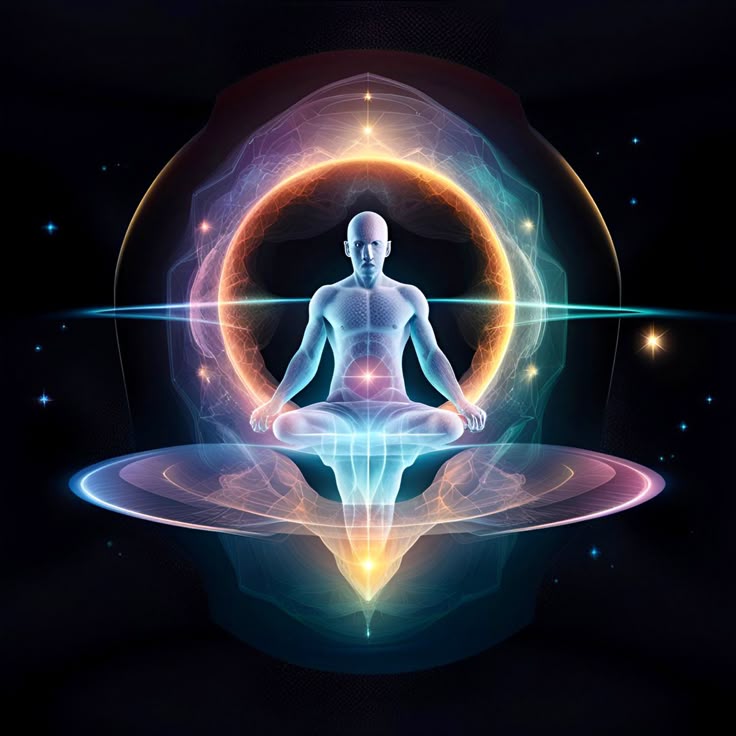
Introduction to the Mahavakya “Aham Brahma Asmi”
The phrase Aham Brahma Asmi, meaning “I am Brahman,” is a profound declaration from the Brihadaranyaka Upanishad. It asserts the identity of the individual self with the infinite, formless Absolute Reality—Brahman. This realization forms the cornerstone of Advaita Vedanta, which teaches that liberation arises through knowledge, not rituals. The document explores how one must internalize this truth through listening (sravana), reflection (manana), and meditation (nididhyasana). The ego dissolves, revealing the timeless Self as the only reality. It is not theory—it is realization. For more information Click Here
Meaning and Message of “Aham Brahma Asmi”
Aham Brahma Asmi means “I am Brahman,” one of the four Mahavakyas (great declarations) from the Upanishads. It reveals the highest truth of Advaita Vedanta—that the Jīva (individual self) is not separate from Brahman (the infinite, formless reality). This Mahavakya points to the essential identity between the inner Self and the ultimate cosmic principle. It tells us that liberation (moksha) is not something gained externally but through the inner realization that our true nature is ever-free, eternal, and identical with Brahman.

Theme and Core Teaching of “Aham Brahma Asmi”
The central theme of “Aham Brahma Asmi” is the non-dual identity of the individual self (Atman) with the Supreme Reality (Brahman). It teaches that the self is not the body or mind but pure consciousness—eternal, limitless, and untouched by change. The core message is: liberation (moksha) is attained by realizing one’s true nature as Brahman, not through external rituals or actions. This Mahavakya invites deep inquiry, contemplation, and inner transformation to dissolve ego and awaken to unity. For more information Click Here

Authorship and Philosophical Insight Behind “Aham Brahma Asmi”
The Mahavakya “Aham Brahma Asmi” originates from the Brihadaranyaka Upanishad (1.4.10), a scripture of the Yajur Veda, not written by a single author but revealed by ancient Vedic sages. However, Adi Shankaracharya, the great Advaita philosopher, offered authoritative commentaries. He emphasized that this statement expresses the direct realization of non-duality (Advaita)—that the individual self is not different from the supreme Brahman, and realizing this truth alone leads to moksha (liberation).

Significance of “Aham Brahma Asmi” in Vedantic Realization
“Aham Brahma Asmi” is crucial in Advaita Vedanta because it declares the highest spiritual truth—that the individual is not separate from the infinite Brahman. This realization eradicates ignorance (avidya), the root cause of bondage and suffering. By internalizing this Mahavakya through deep inquiry and meditation, one transcends ego, attains inner freedom, and realizes the ever-liberated nature of the Self. It serves as a guiding light for seekers on the path to moksha. For more information Click Here

Conclusion
Aham Brahma Asmi encapsulates the peak of Advaita Vedanta philosophy, revealing the timeless truth that the individual Self is none other than Brahman. It invites seekers to move beyond intellectual understanding and realize their infinite nature through deep reflection and meditation. This Mahavakya is not merely a philosophical idea but a transformative insight that leads to liberation. Recognizing “I am Brahman” dissolves all duality and affirms the eternal freedom of the Self.