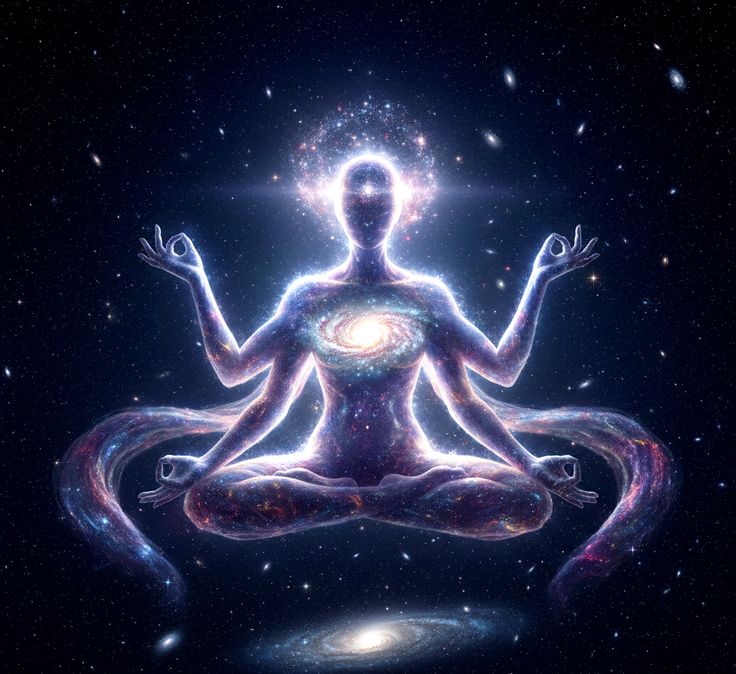
Introduction – The Core Problem of Human Life
Verses 6–14 shift the focus from external practices to the inner mis‑perception that underlies bondage: the Self (Ātman), eternally free, is mis‑identified with the body‑mind complex due to ignorance (Avidyā). This superimposition (Ādhyāsa) gives rise to the limited individual (jīva) and to the appearance of the world (Māyā) on the background of pure consciousness. Click Here To Access more other text.

Benefits – Transforming Understanding and Life
Studying these verses yields multiple benefits:
- Clarity about the real cause of suffering (ignorance rather than external events).
- Growth of dispassion (Vairāgya) as the impermanent nature of world‑experiences becomes clear.
- Strengthened desire for liberation (Mumukṣutva) grounded in insight, not mere emotion.
- Psychological freedom: recognising “I am not body/mind/roles” loosens fear and attachment.
- Support for other practices (sādhanā) by giving them an intelligent context: purification leads to knowledge, not merely ritual for results. Click view PDF.
Verses 6–14
Verse 6 – Samsāra as a Dream
- Life and the world are like a dream, full of attachment, aversion, and desires.
- While the dream seems real, true awakening (knowledge) reveals it as insubstantial.
- Teaching: Suffering arises from mistaking the unreal for real.
Verse 7 – Worldly Appearances
- Even after some initial awakening, the world appears real until knowledge is firm.
- To the deluded, worldly pursuits have no lasting benefit; they fall away naturally when ignorance is removed.
- Teaching: Reality is not the world, but awareness behind appearances.
Verse 8 – Role of Māyā
- Māyā causes the Self to appear limited through the body-mind complex.
- The body-knower identifies with upādhis (adjuncts), such as physical form, roles, and attributes.
- Teaching: Ignorance superimposes the non-Self onto the Self.

Verse 9 – Impermanence of the World
- Just as a dream dissolves on waking, the world appears and disappears.
- Teaching: The world is ephemeral; our misidentification is the real source of bondage.
Verse 10 & 11 – Superimposition of Social and Physical Identities
- Concepts like jāti, varṇa, āśrama, and the five elements are superimposed on the Self.
- Differences such as taste, color, or social distinctions exist only due to these adjuncts, not in the Self.
- Teaching: Social and physical identities are apparent, not absolute.
Verse 12 & 13 – Body and Subtle Body
- The gross body arises from the five elements and accumulated karma.
- The subtle body includes prāṇas (vital breaths), mind, intellect, and sense organs.
- Both bodies are instruments for experience, but they are not the Self.
- Teaching: Understanding this helps the seeker detach from bodily identification and mental constructs.
Verse 14 – The Pure Self Amidst Sheaths
- The Self appears associated with the five sheaths (pañcakośa), but remains unchanging.
- Metaphor: A crystal appears blue when placed on a blue cloth, yet the crystal itself is pure and colorless.
- Teaching: The Self is ever-free; the appearance of limitation comes from the adjuncts.

How to Study – Vedāntic Method (Śravaṇa–Manana–Nididhyāsana)
- Śravaṇam (Listening/Reading): Read each verse with translation/commentary; focus on key terms (Ātman, Anātman, Ādhyāsa, Upādhi, Māyā, Jñāna, Saṃsāra). Study the metaphors (rope‑snake, mirage, reflection).
- Mananam (Reflection): Ask yourself: Where am I superimposing non‑Self on the Self? Example: When I say “I am sad,” recognise sadness belongs to the mind, not to the Self.
- Nididhyāsanam (Meditative Assimilation): Sit quietly and internalise “I am awareness, untouched by body/mind.” Notice when identification resurfaces; return to awareness.
- Daily Application: When pleasure/pain arises, recall: “This belongs to mind/ body, not to Me.” Note moments of identification during the day—awareness itself is the Self.
- Study with Guidance: Discuss with a teacher or group; many subtleties unfold only in dialogue. Click view PDF.
How Many Times to Study – Integrating Through Repetition
- 1st Reading: Understand the literal meaning & structure. Frequency: once thoroughly.
- 2nd Reading: Reflect on how ignorance manifests personally. Frequency: after one week.
- 3rd Reading: Internalise and begin to experience detachment. Frequency: after one month.
- Review Cycle: Weekly for 3–6 months, then quarterly. Ongoing.
- Lifelong Study: Revisit whenever ego, fear or attachment resurfaces. Continuous. Click view PDF.

Why Study – The Philosophical Necessity
- To understand the mechanism of bondage: Without insight into how ignorance binds us, liberation remains vague.
- To move from ritual to knowledge: External action cannot destroy ignorance; only knowledge can.
- To prevent spiritual misinterpretation: Calmness or ritual purity are not liberation; true freedom comes from knowledge.
- To cultivate non‑dual vision (Advaita Darśana): Seeing the world as a projection of consciousness rather than as something separate.
- To live fearlessly: Recognising oneself as the changeless, deathless Self removes fundamental fear of loss, death or separation. Click view PDF.
Conclusion – The Transition from Preparation to Inquiry
Verses 6–14 mark the shift from outer discipline to inner enquiry. They teach:
- Problem: Not the world, but ignorance.
- Solution: Not action, but knowledge.
- Method: Not suppression, but understanding.
When these teachings are absorbed, the seeker develops Viveka (discrimination) and lives with the insight:
“I am awareness; all experiences appear and disappear in me.”
The world is seen as a reflection on consciousness, and the ever‑free Self is recognised as one’s own essence. This is the turning point from external discipline to inner vision.
Join Our Classes:
The Vichara Sagara are more than just ancient texts—they are timeless guides to living with clarity, balance, and inner peace. Our classes make their profound wisdom easy to understand and apply in everyday life. Join us to explore these teachings and discover a new way of seeing yourself and the world!