Bhagavad Gita — Chapter 13 Q&A
Kṣetra-Kṣetrajña Vibhāga Yoga — The Yoga of Field and Knower of the Field
1. Q: What is Chapter 13 called and what is it about?
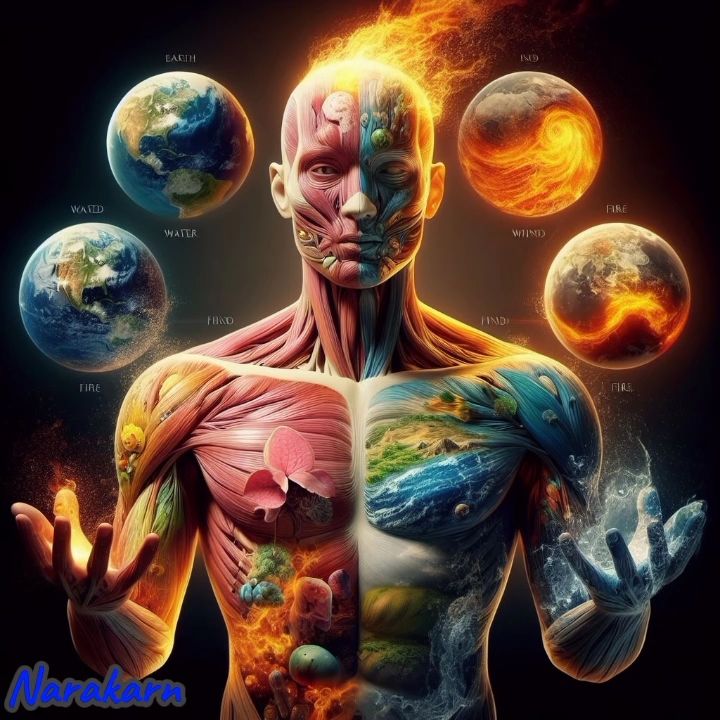
A: This chapter is called Kṣetra-Kṣetrajña Vibhāga Yoga — the Yoga of the Field (Kṣetra) and the Knower of the Field (Kṣetrajña). Krishna explains the difference between the body/mind (field) and the true Self (knower of the field). Click Here To Access more other text.
2. Q: What does “field” (Kṣetra) mean in this chapter?
A: The “field” refers to the body, senses, mind, intellect, ego, desires, virtues, and actions — everything that constitutes the human experience.
3. Q: What does “knower of the field” (Kṣetrajña) mean?
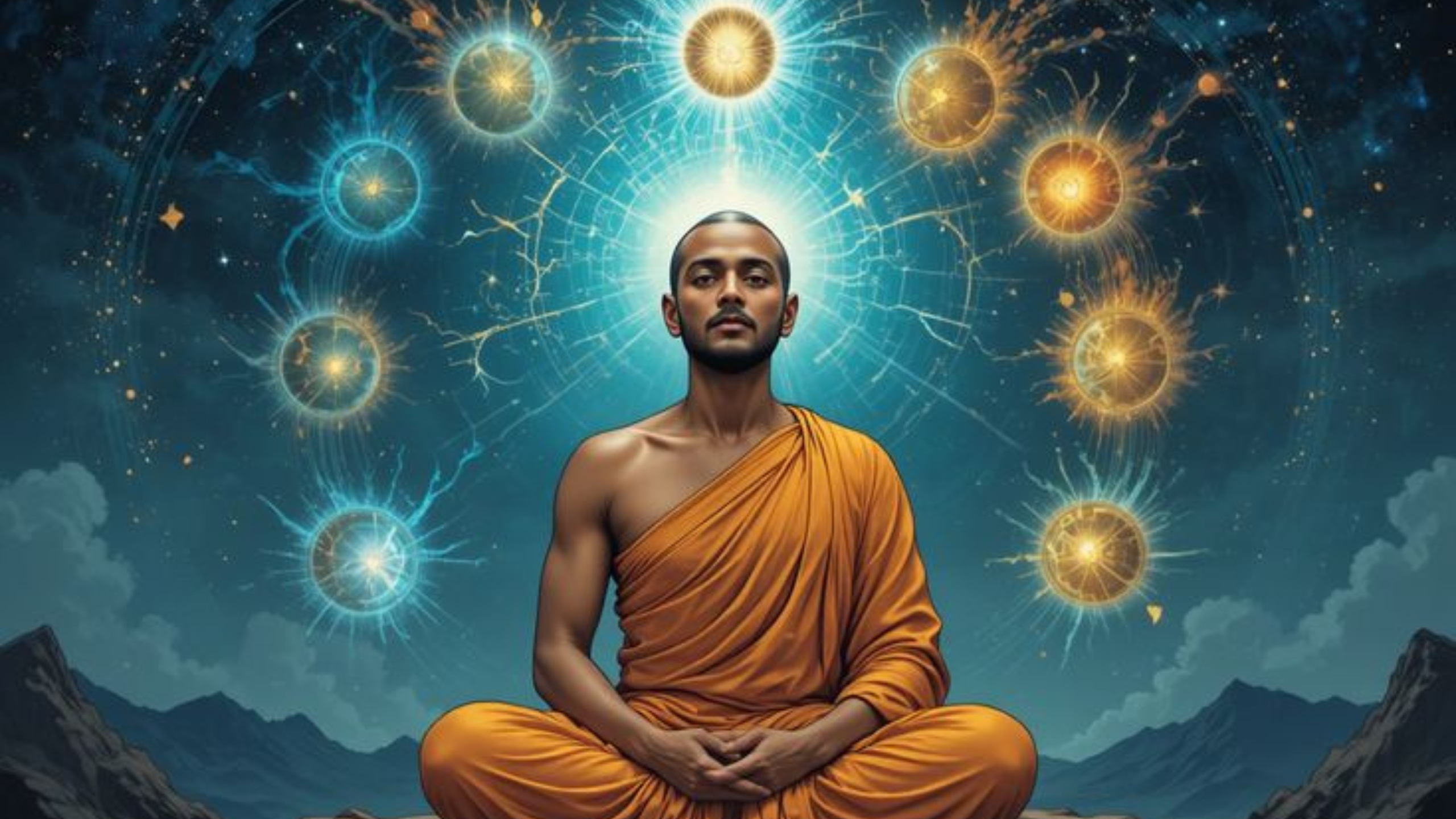
A: The Knower of the Field is the inner Self (Ātman) — the conscious witness that experiences the field but is not limited by it.
4. Q: Why is it important to distinguish between body and Self?
A: Because confusion between the two creates suffering. Knowing the Self frees one from identification with temporary experiences.
5. Q: Is the body the true Self?
A: No — the body is the field. The Self is the unchanging consciousness that witnesses all experiences.
6. Q: What qualities make someone wise according to this chapter?
A: Wisdom arises when a person understands the difference between the field and the Self, acts without attachment, and sees unity in diversity. Click Here To Access.
7. Q: What are some of the qualities of the field (Kṣetra)?
A: Bodies, sensations, perceptions, mind, intellect, ego, desire, and emotions — all of which change and pass away.
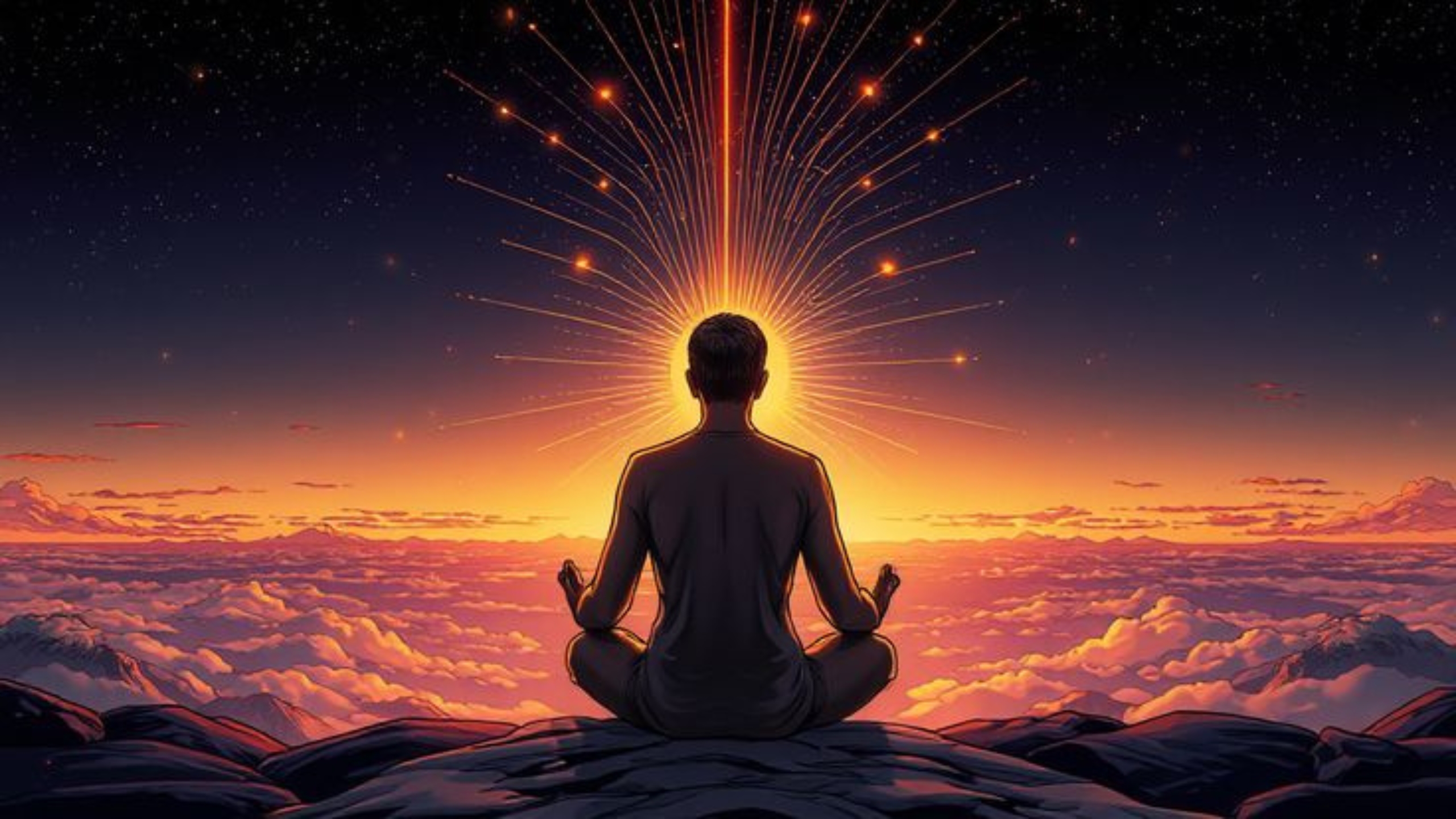
8. Q: What are some qualities of the Knower of the Field?
A: Ever-present, unchanging, beyond senses, pure consciousness — the true “I.”
9. Q: What role does knowledge (jnana) play in liberation?
A: Knowledge of the Self dissolves ignorance and leads to liberation from the cycle of birth and death.
10. Q: Why do people struggle with self-knowledge?
A: Because the mind is absorbed in external experiences and identifies with the body and senses.
11. Q: What is the nature of True Knowledge here?
A: True Knowledge is the understanding of Self beyond body, mind, and senses — seeing unity in all beings.
12. Q: How does one cultivate this true knowledge?
A: Through discrimination, detachment, control of desires, and steady reflection on what is permanent.
13. Q: What happens to someone who realizes the Self?
A: They overcome fear, attachment, ignorance, and sorrow — living in eternal peace.
14. Q: Does this chapter describe the nature of the Supreme?
A: Yes — Krishna explains that the Supreme pervades everything and is beyond all descriptions.
15. Q: How does the chapter describe the material and spiritual elements?
A: The material elements arise and dissolve. The spiritual Self is unchanging and eternal.
16. Q: What is the significance of humility in this chapter?
A: Humility softens ego, making it easier to perceive truth and connect with the Self.
Click Here To Access.
17. Q: What is the relationship between knowledge and devotion?
A: Knowledge deepens devotion. Devotion strengthens the pursuit of knowledge — they support each other.
18. Q: Can someone be wise without spiritual practice?
A: No — wisdom requires inner effort, self-discipline, and awareness beyond intellectual ideas.
19. Q: How does this chapter apply to everyday life?
A: It teaches that happiness does not come from possessions or roles — but from understanding yourself and acting with clarity.
20. Q: What is the heart of Chapter 13?
A: The real Self is not the body or mind — it is pure consciousness.
Knowing this dissolves ignorance, removes fear, and brings lasting peace.
Click Here To Access.
Summary in Simple Life Terms
-
The body and mind are temporary; the Self is eternal.
-
Confusion about identity causes suffering.
-
Knowledge of Self leads to freedom.
-
True wisdom sees unity in all life.
-
Peace comes from inside, not outside.