Bhagavad Gita — Chapter 7 Q&A
Jnana Vijnana Yoga — The Yoga of Knowledge and Realization
1. Q: What is Chapter 7 called and what is it about?
A: This chapter is called Jnana Vijnana Yoga — the Yoga of Knowledge and Realization. Krishna explains both theoretical knowledge (jnana) and direct realization (vijnana) of the Supreme Reality. Click Here To Access more other text.
2. Q: What is the difference between Jnana and Vijnana?
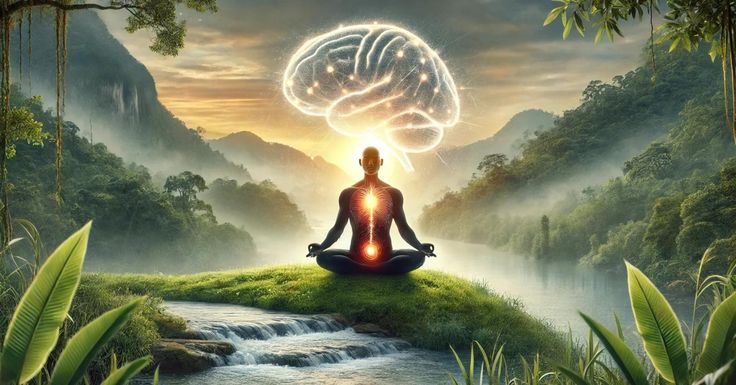
A: Jnana is intellectual understanding of truth.
Vijnana is direct experience of that truth.
Knowing about God is Jnana. Experiencing God is Vijnana.
3. Q: How can one truly know God according to this chapter?
A: Through devotion, steady practice, and surrender of the mind to Krishna. Click Here To Access.

4. Q: How does Krishna describe His nature in this chapter?
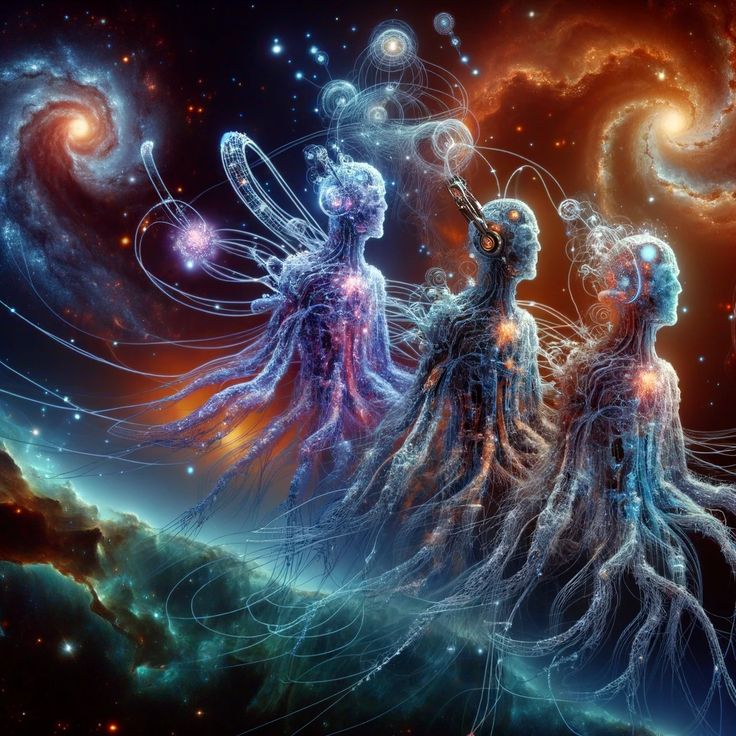
A: He explains that He is both the material cause and the intelligent cause of the universe — everything arises from Him.
5. Q: What are the two types of Prakriti (nature) Krishna mentions?
A:
-
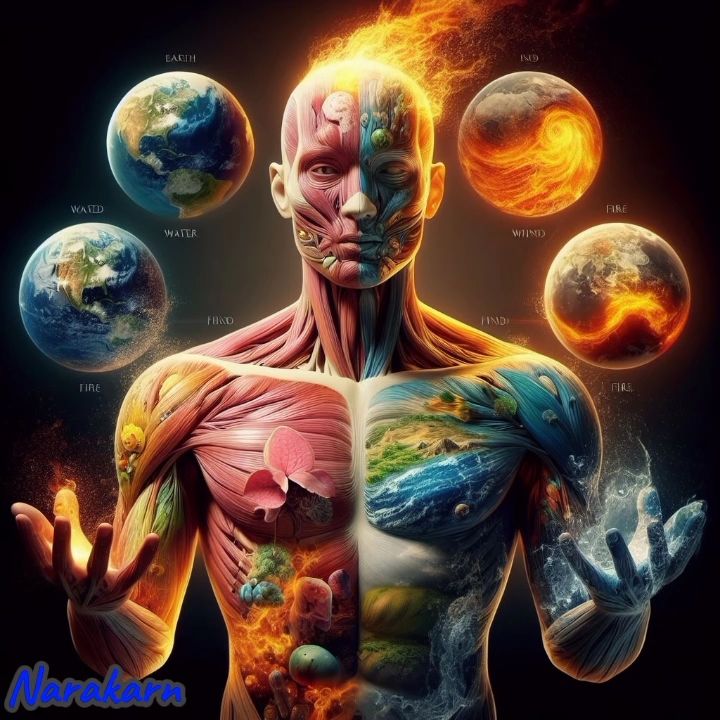
Lower nature (Apara Prakriti): Earth, water, fire, air, space, mind, intellect, ego.
-
Higher nature (Para Prakriti): The conscious principle — the living beings. Click Here To Access.
6. Q: Who sustains the universe?
A: Krishna declares that He is the origin, sustainer, and dissolver of the entire universe.
7. Q: Why do people fail to recognize the Divine?
A: Because they are deluded by Maya — the divine illusion that covers true knowledge.
8. Q: What is Maya according to this chapter?
A: Maya is Krishna’s divine power that makes the temporary world appear permanent and hides the Supreme Reality. Click Here To Access.
9. Q: Can Maya be overcome?
A: Yes — Krishna says those who surrender to Him cross over Maya easily.
10. Q: Who are the four types of devotees mentioned?
A:
-
The distressed (seeking relief)
-
The seeker of wealth
-
The curious seeker of knowledge
-
The wise (who love God for His own sake) Click Here To Access.
11. Q: Who among them is the highest devotee?
A: The wise devotee — who loves God with steady understanding and sees Him as everything.
12. Q: Why do some people worship other gods?
A: Krishna explains that their desires push them toward specific deities for limited benefits.
13. Q: Are such worshippers wrong?
A: No, but their results are temporary because they seek limited outcomes. Click Here To Access.
14. Q: What is the limitation of desire-based worship?
A: It gives temporary results — but does not grant ultimate liberation.
15. Q: How does ignorance affect perception?
A: People think Krishna is only a human form because they do not understand His supreme, eternal nature.
16. Q: Why is it difficult to know Krishna fully?
A: Because He is unborn, eternal, and beyond ordinary perception.
17. Q: Who can truly understand Him?
A: Those free from sin, whose minds are purified, and who are firm in devotion. Click Here To Access.
18. Q: What happens at the time of death for a realized person?
A: They remember the Supreme and attain liberation.

19. Q: What practical lesson does this chapter give?
A: Move from temporary desires toward lasting truth. Shift from asking for things to seeking the Divine.
20. Q: What is the heart of Chapter 7?
A: God is the source of everything.
Maya hides Him.
Devotion reveals Him.
True knowledge becomes real only when experienced. Click Here To Access.
Summary in Simple Life Terms
-
God is the foundation of all existence.
-
Desire keeps us bound to temporary goals.
-
Maya confuses the mind.
-
Devotion and knowledge free us.
-
The highest seeker loves God not for gain, but for truth.