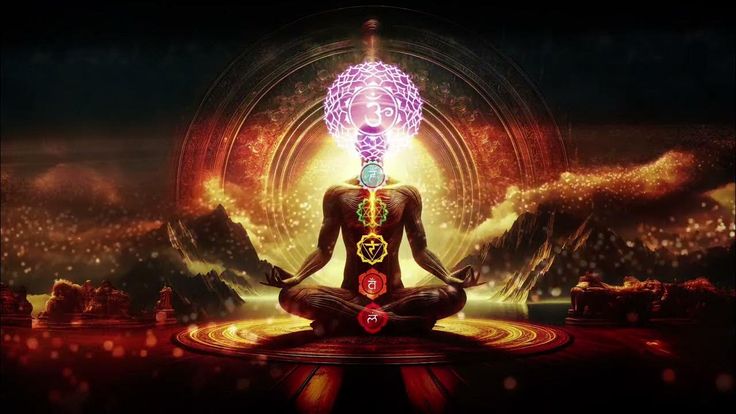
Chapter 13 – Kṣetra-Kṣetrajña Vibhāga Yoga
Chapter 13 of the Bhagavad Gita contains profound teachings on self-knowledge, reality, and discrimination (viveka). It explores the distinction between the field (kṣetra)—everything that is knowable and perishable—and the knower of the field (kṣetrajña)—the conscious witness or Self who observes the field. Krishna explains that true spiritual wisdom lies in understanding this distinction, leading the aspirant beyond temporary identification with the body and mind toward knowledge of the eternal Self and the Supreme Reality. Click Here To Access more other text.

Meaning of Kṣetra-Kṣetrajña Vibhāga Yoga
-
Kṣetra (Field): Refers to the body-mind complex and all material aspects of experience—including the senses, mind, intellect, ego, emotions, tendencies, and all physical and psychological phenomena.
-
Kṣetrajña (Knower of the Field): Refers to the conscious Self—the real subject that illumines and witnesses the field without itself being affected by it.
-
True knowledge (jñāna) is recognizing this distinction and realizing that one’s true identity is not the field but the knower of the field.
Significance of Chapter 13
Chapter 13 is a tattva-jñāna (principle knowledge) chapter that transitions the Gita from ethical and devotional practices to philosophical clarity about reality and the self. It provides:
-
A foundational understanding of self vs. body
-
A description of what constitutes the field of experience
-
A definition of the nature and qualities of true knowledge
-
Insights into the Supreme Being who is the ultimate knower
-
The aim of knowledge as leading one to liberation (moksha)
This chapter illuminates how to live with clarity, detachment, and inner vision by knowing what is eternal and what is transient. Click view PDF.

Key Concepts & Teachings
Verse 13.1 – Arjuna’s Inquiry
Arjuna opens the chapter by expressing a deeply philosophical desire:
“I wish to know about nature (prakṛti) and spirit (puruṣa), the field (kṣetra) and the knower of the field (kṣetrajña), true knowledge (jñāna), and the object of knowledge (jñeya) and its goal.”
He seeks to understand both the structure of reality and the purpose of knowledge itself.
Verse 13.2 – Definition of Field (Kṣetra)
Krishna replies that the physical body along with all its faculties — mind, senses, and psychological components — is called the field (kṣetra). The one who knows and experiences this field is termed the knower of the field (kṣetrajña). Thus, the field is not the knower itself but the arena of experience and action.
Verse 13.3 – God as the Supreme Knower
Krishna then explains that He (the Lord) is the knower of all fields in all bodies. Knowledge of both the field and its knower, and understanding their relationship, constitutes true knowledge. This elevates the teaching from personal self-awareness to universal awareness of the Divine as the ultimate witness.
Verses 13.4–13.7 – Deeper Investigation
Krishna says He will briefly explain:
-
What the field is
-
Its modifications (changes)
-
Where it originates
-
What the knower of the field is
-
What influence it has
He also notes that this subject has been described in the scriptures and by sages in various ways. Click view PDF.

Verses 13.8–13.12 – Qualities of True Knowledge
Krishna describes the qualities that constitute real spiritual knowledge, such as:
-
Humility, non-violence, patience, forgiveness
-
Uprightness, service to the teacher
-
Lack of attachment, absence of arrogance
-
Awareness of the cycle of birth and death
-
Steadiness in devotion, dispassion
These qualities represent the inner transformation of a seeker who knows the Self and moves toward liberation. All these are markers of someone who understands the field and the knower within.
Verses 13.13–13.19 – The Supreme Object of Knowledge (Jñeya)
Krishna explains that the object of true knowledge is Brahman — the unchanging, eternal, and all-pervading reality. Although Brahman is beyond material manifestation, It exists within all beings as the inner witness and support of the universe. The Supreme Being is both the source of the field and the final object of realization.
Verses 13.20–13.23 – Purusha and Prakriti
In these verses, Krishna distinguishes between Purusha (Spirit) and Prakriti (matter). Purusha is the witness, untouched by material change, whereas Prakriti is that which undergoes change and produces all physical and psychological phenomena. This distinction is crucial to understanding who we truly are vs. what we experience.
Verses 13.24–13.30 – Liberation and Realization
Krishna explains that those who can discern the field from the knower of the field, seeing the material and spiritual principles clearly, gain liberation from material bondage. Once this discrimination is established, the seeker attains peace, wisdom, and union with the Supreme. Click view PDF.

Verses 13.31–13.34 – The Supreme Soul Illuminates All
Krishna uses the analogy of the sun illuminating the world to describe how the Supreme Soul (Paramātman) illuminates the entire field. This emphasizes that consciousness is primary — the knower exists prior to and beyond what is known.
Verse 13.35 – Attainment of the Supreme
The chapter culminates in the promise that those who perceive the distinction between field and knower through the eye of knowledge and understand the process of liberation from material nature attain the Supreme Reality.
Psychological and Spiritual Dimensions
Chapter 13 teaches that:
-
The body and mind are transient and subject to change
-
The Self (knower) is eternal and unchanging
-
Recognition of this distinction brings dispassion and clarity
-
True knowledge leads to inner freedom and liberation
This insight dissolves attachment to temporary experiences and fosters detachment and spiritual resilience.
Practical Applications
Self-Knowledge
By distinguishing between the field (body and mind) and the knower (Self), one learns not to identify with changing thoughts, emotions, or sensations. Click view PDF.
Equanimity and Inner Wisdom
Understanding one’s true nature brings balance, reduces fear of loss, and strengthens inner peace.
Conclusion
Chapter 13 of the Bhagavad Gita, Kṣetra-Kṣetrajña Vibhāga Yoga, offers essential Vedantic teaching on who we truly are versus what we experience. It shows that real knowledge is knowing the eternal knower behind the temporal field. By cultivating the qualities of true knowledge and discriminating wisely, the seeker advances toward self-realization and liberation.