Chapter 18 – Mokṣa-Sannyāsa Yoga
Chapter 18 of the Bhagavad Gita contains 78 verses and serves as the culmination and synthesis of all teachings from the earlier chapters. Krishna summarizes the paths of knowledge (Jnana), action (Karma), meditation (Dhyāna), devotion (Bhakti), and renunciation (Sannyāsa/Tyāga), and shows how these integrate to lead a seeker to liberation (mokṣa). This is why the chapter is also called Mokṣa-Sannyāsa Yoga — the Yoga of both liberation and renunciation. Click Here To Access more other text.
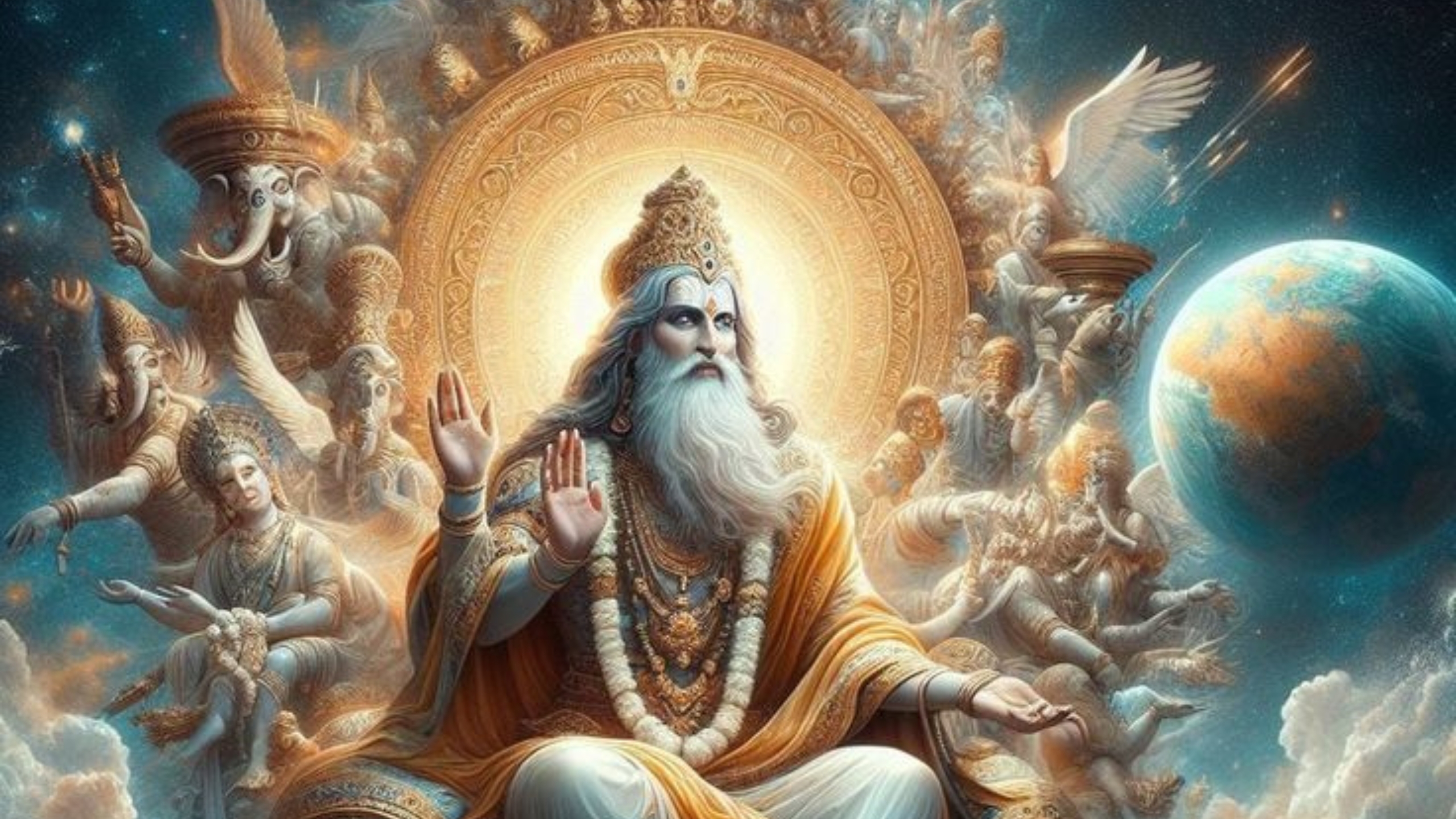
Meaning of Mokṣa-Sannyāsa Yoga
-
Mokṣa means liberation — freedom from the cycle of birth and death.
-
Sannyāsa literally means renunciation, but Krishna differentiates it from a simplistic giving up of action; he emphasizes Tyāga — renouncing attachment to results, not duty itself.
-
The chapter explains how one can live a life of action, devotion, and knowledge and yet be free from bondage by performing duties selflessly, with awareness, and with surrender to the Divine.
Through this yoga, Krishna teaches that the highest aim of life is not detachment from life’s responsibilities, but inner renunciation of ego, desire, and attachment, leading to peace and liberation. Click view PDF.
Significance of the Chapter
Chapter 18 is one of the most important chapters of the Gita because it:
-
Summarizes the entire Gita’s teachings from Chapters 1–17 in one coherent framework.
-
Clarifies the difference between Sannyāsa (external renunciation) and Tyāga (inner relinquishment).
-
Explains how actions, knowledge, and devotion relate when one seeks liberation.
-
Shows how to perform righteous duties without attachment and with spiritual awareness.
-
Presents the spiritual ideal — surrender to the Divine, culminating in the famous call to abandon all duties and take refuge in God.
This chapter is thus the grand conclusion of the Bhagavad Gita. Click view PDF.
Key Concepts & Teachings
Renunciation (Sannyāsa) vs. Relinquishment (Tyāga) (Verses 1–12)
Arjuna begins by asking Krishna to explain the precise difference between Sannyāsa (the renunciation of action driven by desires) and Tyāga (the relinquishment of attachment to the fruit of action). Krishna explains that sages define:
-
Sannyāsa as giving up desire-driven action,
-
Tyāga as abandoning attachment to the results of all activity.
He further clarifies that righteous duties such as sacrifice (yajña), charity (dāna), and austerity (tapas) should not be abandoned, but carried out without selfish motives.
This distinction helps the seeker understand that true renunciation is internal, not an escape from life.
Components and Classification of Action (Verses 13–17)
Krishna then explains the five factors that constitute any action — the body, the agent (doer), the senses, the effort, and the divine will. The truly wise understand that the Self is not the doer but the witness, and that actions performed without ego or desire do not bind the soul.
He also begins classifying knowledge, action, and the doer according to the three guṇas (modes of nature): sattva (goodness), rajas (passion), and tamas (ignorance), which helps clarify the quality of action and its spiritual value. Click view PDF.
Guṇa-Based Classification of Knowledge, Action, and Doer (Verses 18–40)
The chapter elaborates how:
-
Knowledge in sattva is that which sees the same Self in all beings,
-
Knowledge in rajas sees distinctions and separateness,
-
In tamas, knowledge is clouded by ignorance and misconception.
Similarly, actions and doers are classified based on whether they arise from sattvic purity, rajasic desire, or tamasic inertia. This helps seekers assess their motives and refine their conduct. Click view PDF.

Duties Based on Gobbled Guṇas (Verses 41–44)
Krishna explains that natural duties arise from one’s svabhāva (innate nature) and guṇas — for example:
-
Brahmins embodying wisdom and reflection,
-
Kshatriyas embodying courage and protection,
-
Vaishyas engaged in service and livelihood,
-
Shudras offering support and skill —
Each duty, when done selflessly and according to nature, has equal spiritual value.
Detachment and Supreme Goal (Verses 45–53)
Krishna teaches that spiritual progress requires:
-
Abandoning egoistic doership
-
Relinquishing attachment to the fruits of action
-
Cultivating serenity of mind
A stable yogi, who remains equal in pleasure and pain and whose mind is unshaken by success or failure, attains tranquil wisdom. This equanimity is key to liberation. Click view PDF.
Surrender to the Divine (Verse 66)
The heart of the Gita is Krishna’s supreme instruction:
“Abandon all dharmas and take refuge in Me alone; I shall liberate you from all sins; do not grieve.”
This verse emphasizes surrender (śaraṇāgati) as the ultimate act of devotion and the most direct path to liberation, integrating action, devotion, and knowledge into one act of surrender.
Concluding Assurances (Verses 67–78)
In the final verses, Krishna assures that:
-
Those who teach this sacred knowledge to sincere devotees are especially dear to Him.
-
Even study of this dialogue with faith brings liberation and auspicious results.
-
Krishna declares that where He and an earnest seeker are, there also will be victory, prosperity, and righteousness.
The Gita’s concluding passages celebrate the transformative power of wisdom, devotion, and surrender — the essence of spiritual life that harmonizes duty, self-discipline, and liberation.
Psychological and Spiritual Dimensions
Chapter 18 helps the seeker:
-
Understand that true renunciation is internal, not external.
-
See action as a means to purification, not bondage.
-
Refine motivation from desire to devotion and surrender.
-
Embrace life with clarity, purpose, and spiritual focus.
-
Realize that liberation is achieved not by abandoning life, but by performing life with inner detachment and dedication to the Divine. Click view PDF.

Practical Applications
Living with Detachment
By renouncing attachment to results and performing duties with sincerity and devotion, one reduces stress, fear, and regret.
Inner Alignment
One cultivates a life of clarity, self-control, and focus on what is truly meaningful — inner freedom rather than temporary gain.
Balanced Spiritual Life
A seeker follows a balanced path of action, devotion, and knowledge, integrated by surrender to the Supreme. Click view PDF.
Conclusion
Chapter 18 — Mokṣa-Sannyāsa Yoga — is the grand finale of the Bhagavad Gita. It synthesizes all teachings into one message: life’s purpose is not renouncing action or worldly duties, but renouncing attachment, ego, and fruit-motivation while performing one’s duties with devotion and surrender to the Divine. This way leads to peace, inner freedom, and ultimate liberation (mokṣa) — the highest spiritual attainment