Adhyaya (Establishment of the Doctrine):
Theme:
This chapter delves into establishing the Vedāntic conclusion, emphasizing the nature and attributes of Brahman, the identity of Ātman (Self) and Brahman, and the path to liberation (mokṣa). It elucidates how knowledge of Brahman eradicates ignorance, leading to liberation, and clarifies the interrelation between the individual self, the world, and Brahman Click Here To Access more other text.
Structure of Chapter 3:
-
First Pada (1st quarter):
Focuses on Īśvāra — the Supreme Lord — and Brahman’s characteristics as the world’s cause, its omniscience, omnipotence, and its connection with the world as its material cause. -
Second Pada (2nd quarter):
Discusses the relationship between Jīva (individual soul) and Brahman, highlighting the essential oneness behind apparent multiplicity. It explains the nature of avidyā (ignorance) and how it causes the illusion of difference. -
Third Pada (3rd quarter):
Explores the process of liberation (mokṣa), the role of knowledge (jñāna), and the means of attaining Brahman. It underscores the necessity of scriptural knowledge, removal of ignorance, and discrimination between the real and unreal. -
Fourth Pada (4th quarter):
Addresses further philosophical objections and explains the permanence of Brahman and the impermanence of the world. It elaborates on upāsanā (meditation/devotion) and the dissolution of the ego Click view PDF.
Key Philosophical Points:
- Brahman as the cause and support of the universe: Brahman is both the intelligent and material cause, omnipresent and omniscient.
- Atman and Brahman are identical: Realization of this identity removes all bondage.
- Ignorance (avidyā) as the cause of bondage: Ignorance creates the illusion of duality; knowledge dispels this.
- Liberation is Self-knowledge: Direct knowledge of Brahman frees the soul, not rituals or external acts.
- Role of scripture and guru: Study of revealed texts and guidance from a teacher are essential for liberation.
- Meditation and discrimination: Sustained meditation and discriminative knowledge consolidate realization Click view PDF.
Methodology:
Sankaracarya employs the classic adhikaraṇa method:
- Viṣaya: Topic to be discussed (e.g., “Is Brahman the cause of the world?”)
- Purvapakṣa: Objections or alternative views
- Siddhānta: Vedāntic conclusion with scriptural support
- Sutra explanation: Detailed unpacking of each aphorism
- Sruti and other evidence: Upaniṣadic citations to validate the position
Why Study Volume 6?
- To understand the ultimate Vedāntic truth regarding Brahman and liberation.
- To resolve doubts about the self and the cosmos.
- To learn how ignorance causes bondage and how knowledge removes it.
- To deepen the grasp of methods and practices leading to mokṣa Click view PDF.
Study Duration Options:
- Introductory Reading: 10–15 days; 1–2 Adhikaraṇas per day.
- In-Depth Study: 30–60 days; study 1 Adhikaraṇa daily with Śaṅkara’s bhāṣya.
- Reflective Second Pass: 1–2 months; deepen reasoning, connect concepts, clarify doubts.
- Mastery & Internalization: 6–12 months or more; requires multiple readings with a teacher; practice śravaṇa, manana, nididhyāsana Click view PDF.
Daily Study Time Suggestion:
30–60 minutes minimum; more on weekends or holidays.
Conclusion:
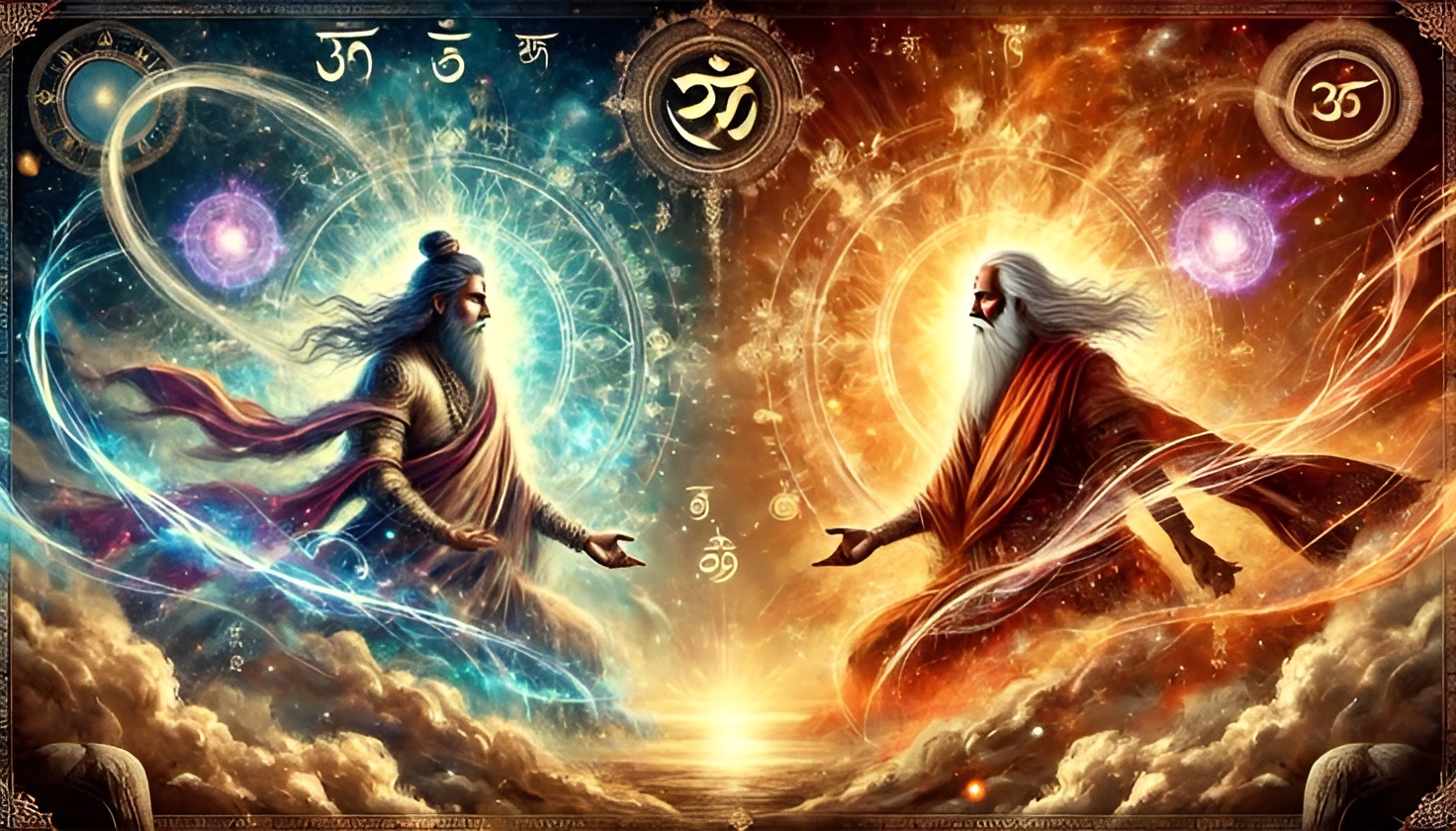
Volume 6 of Sri Saṅkaracarya’s Bhaṣya focuses on the spiritual practices (sādhanas) necessary for gaining Self-knowledge and realizing Brahman. It discusses renunciation, meditation (upāsanā), karma-yoga, and the qualifications for mokṣa. It harmonizes ritual and knowledge, stressing that ultimate liberation comes from jñāna (not karma). This chapter bridges the philosophical foundation with practical means, guiding the seeker inward through discipline, discrimination, and contemplation.