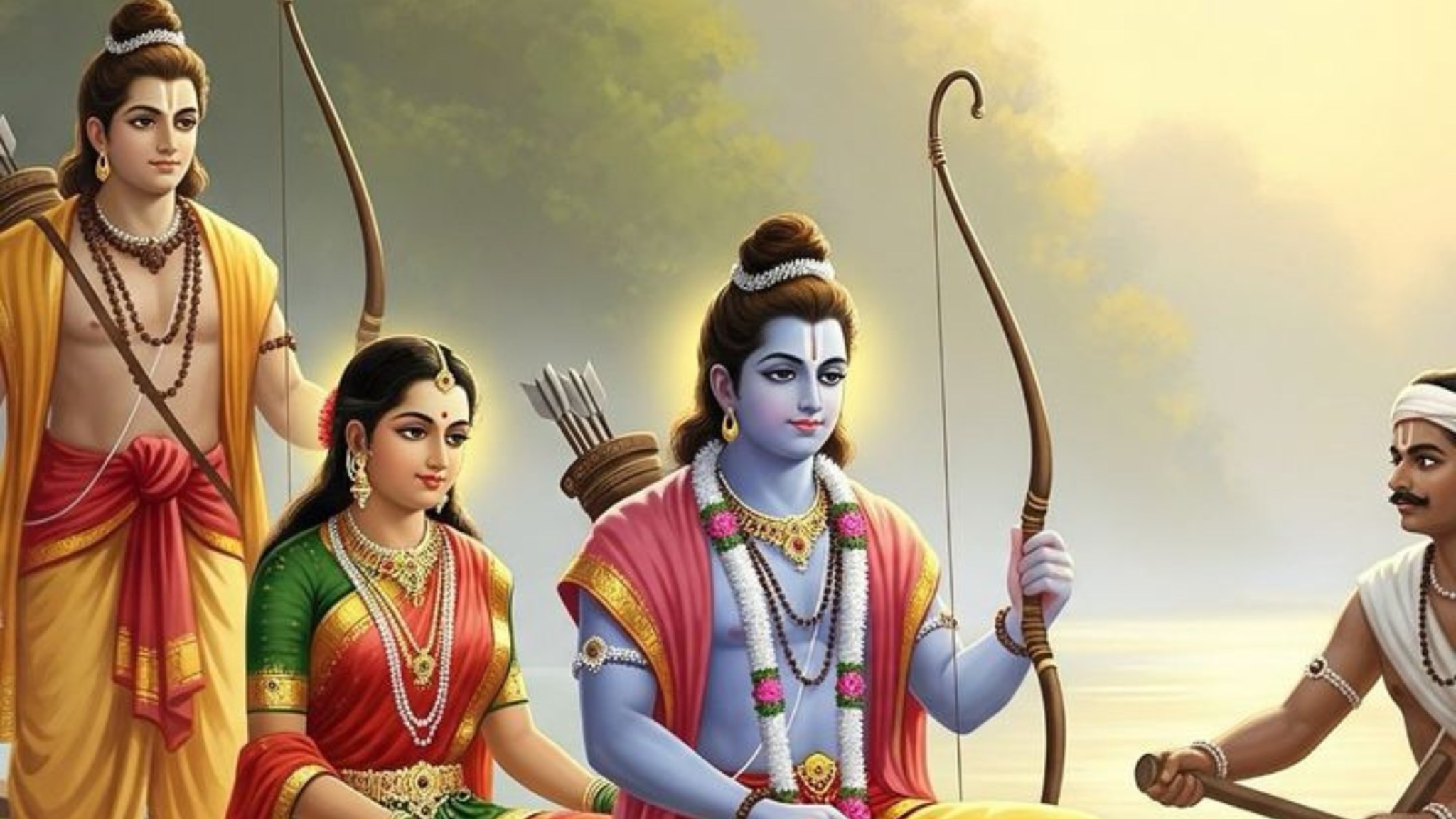
Brahma Sutra Bhaṣya – Volume 7 Detailed Breakdown
Chapter 2, Pada 3 – Jiva-Brahma Aikya (Oneness of the Individual Soul and Brahman)
Topics Discussed (Adhikaraṇas) – Detailed Overview
1. Akasadhikaraṇa (Ether’s Origin)
This section asserts that ākāśa (ether) is not an independently eternal entity but originates from Brahman, as per the Upaniṣadic declaration “ākāśād vāyuḥ.” It refutes the Nyāya-Vaiśeṣika view which treats ākāśa as an eternal substance Click Here To Access more other text.
2. Vayvadi-Kramam (Order of Creation)
Explains the cosmic order of creation—from Brahman arises ether, from ether air, then fire, water, and earth. The emphasis is on systematic emergence and how all elements are non-different from Brahman.
3. Jivadikaraṇa (Nature of the Individual Self)
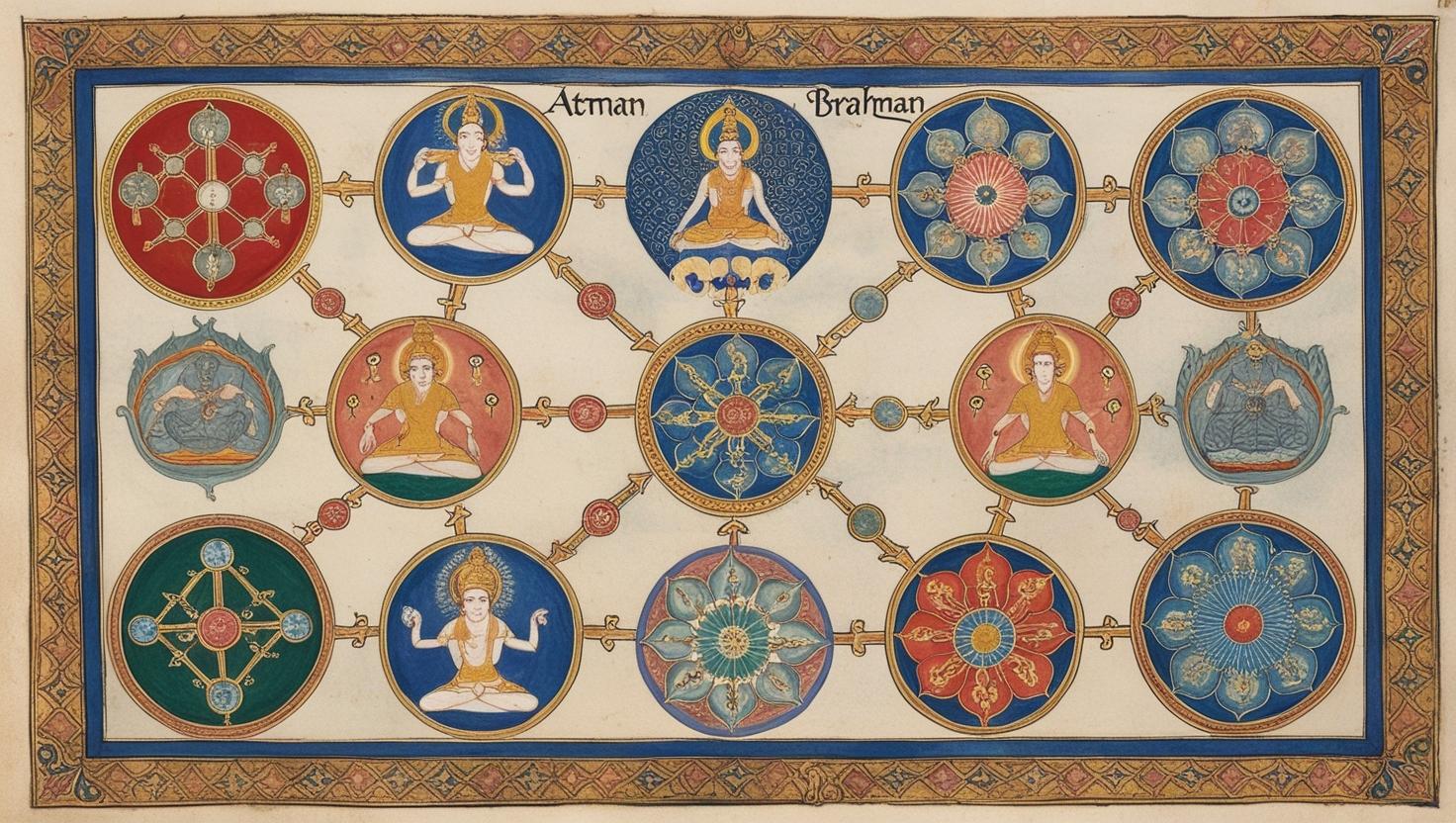
Investigates whether the jīva (individual self) is created or eternal. Śaṅkara concludes that jīva is Brahman alone, appearing as many due to avidyā (ignorance).
4. Pratibimbavada (Theory of Reflection)
This critical section introduces the theory of reflection, where the jīva is seen as a reflected consciousness of Brahman—like a reflection in a mirror. The apparent individuality is thus illusory.
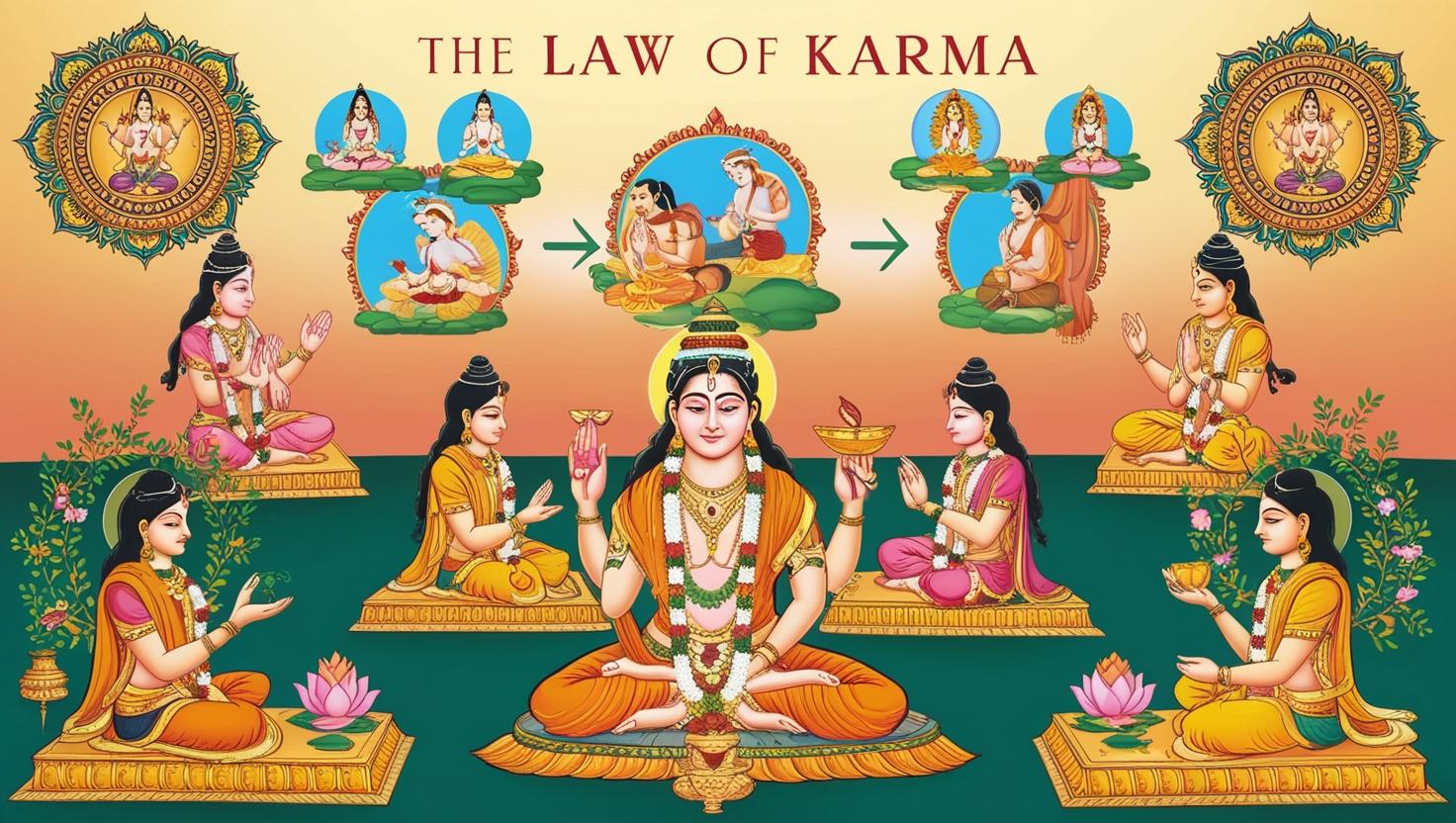
5. Karmaphala-datṛtva (Dispenser of Results of Action)
Explores how Īśvara (the Lord) distributes the fruits of karma with justice and omniscience. Though Brahman is beyond action, in the role of Īśvara, Brahman governs the law of karma Click view PDF.

6. Kartṛtva (Agency)
Examines the sense of doership (kartṛtva) in the jīva. Although Brahman is actionless, agency appears due to identification with the body-mind, a result of ignorance.
7. Kṣetrajna-bhava (Knower of the Field)
Interprets the concept of the “Kṣetrajña” from the Bhagavad Gītā—the knower of the body-field—as Brahman appearing in each body. The jīva is not truly many, but one consciousness pervading all bodies.
8. Praṇa-sakti (Life-Force and Its Source)
Clarifies that the life-force (prāṇa) is not independent but emerges from Brahman. All vital functions are governed by Brahman’s intelligent power, not by the body or elements alone.
9. Sarvajnatva-vada (Omniscience of Īśvara)
Contrasts the omniscient Lord (Īśvara) with the ignorant jīva. Śaṅkara resolves that Brahman, when associated with māyā, functions as omniscient Īśvara, whereas the same Brahman with avidyā appears as the ignorant jīva.
Central Philosophical Issues Explored
Is the Jiva Created?
- Vedānta’s answer: No. The jīva is beginningless (anādi), like Brahman. Its apparent individuality arises due to avidyā (ignorance).
- Śruti support: Cited from Chāndogya, Bṛhadāraṇyaka – “tat tvam asi” and “ayam ātmā brahma”.
Reflection Theory (Pratibimba-vada)
- Brahman reflected in Antaḥkaraṇa (mind) appears as jīva.
- Like sun’s reflection in water appears as many suns, though the sun is one.
Role of Isvara
- Jīva is not truly independent—Īśvara (Saguna Brahman) governs the fruits of actions.
- Both Īśvara and jīva are Brahman associated with different upādhis (adjuncts).
Nature of Agency and Doership (kartṛtva)
- The jīva appears to be an agent due to identification with body-mind.
- In deep sleep or samādhi, this sense of doership disappears, indicating its unreality.
Liberation:
- Liberation (mokṣa) is the removal of ignorance about the jīva’s identity with Brahman.
- Not a change of state, but a realization of the nitya-siddha (ever-attained) nature of Brahman Click view PDF.
3. Reason vs Revelation
This volume tackles opposing schools like Nyāya, Sāṅkhya, and Vaiśeṣika which argue:
- Jīva is atomic or many
- Brahman is only efficient cause, not material cause
- Creation happens through independent pradhāna (Sāṅkhya view)
Śaṅkara refutes them using:
- Upaniṣadic authority
- Logic rooted in non-dualism
- The adhikaraṇa framework to isolate, argue, and resolve each philosophical issue
4. Suggested Study Plan (Expanded Details)
Introductory Level (10–14 days)
Goal: Grasp the overall flow and major themes.
Daily Focus:
- Read 2–3 adhikaraṇas per day using translated summaries.
- Pay attention to terms like jīva, īśvara, avidyā, and māyā.
- Focus on understanding that jīva and Brahman are essentially one, despite apparent multiplicity.
- Use a notebook to write 1–2 key takeaways per adhikaraṇa.
- Listen to brief lectures or podcasts for reinforcement.
Example task: “Summarize why the jīva is said to be a reflection and not a true part of Brahman.”
In-Depth Level (30–45 days)
Goal: Engage Śaṅkara’s arguments and traditional logic.
Daily Focus:
- Read 1 adhikaraṇa per day with Śaṅkara’s Bhāṣya (in Sanskrit or reliable translation).
- Identify the Viṣaya, Pūrvapakṣa, and Siddhānta for each.
- Compare Vedāntic answers with rival schools (Sāṅkhya, Nyāya, Vaiśeṣika).
- Keep a side journal of philosophical terms and your own responses.
- Start basic cross-referencing with Upaniṣads for scriptural citations used.
Example task: “Explain how Śaṅkara refutes the Sāṅkhya idea of a separate pradhāna as the world’s cause.” Click view PDF.
Reflective Level (2–3 months)
Goal: Deepen internal clarity and consolidate arguments.
Weekly Plan:
- Revisit earlier notes and identify doubts or contradictions.
- For each adhikaraṇa, ask: “Why is this important for Advaita?” “What would happen if the pūrvapakṣa were true?”
- Meditate on central mahāvākyas (e.g., “tat tvam asi”) with commentarial insights.
- Discuss insights with a mentor, online forum, or study group.
- Use mind-maps to visualize how each point builds toward non-duality.
Example reflection: “In what way does the appearance of agency in the jīva vanish upon realization?”
Mastery Level (6+ months)
Goal: Internalize through śravaṇa (hearing), manana (reasoning), and nididhyāsana (meditation).
Daily Practice:
- Re-study each adhikaraṇa with Sanskrit Bhāṣya, noting mīmāṁsā techniques used.
- Chant and contemplate key passages.
- Practice nididhyāsana daily: choose one central idea (e.g., “jīva is Brahman”) and meditate on it.
- Attend a class or online sessions by a traditional teacher.
- Try to explain major points to someone else (teaching deepens learning).
- Begin linking concepts with earlier chapters for cohesive understanding.
Example practice: “Daily meditation on the identity of jīva and Brahman using Bṛhadāraṇyaka’s ‘neti neti’ method.” Click view PDF.

Conclusion:
Volume 7 of the Brahma Sūtra Bhāṣya plays a crucial role in connecting metaphysical truths with the path of spiritual liberation. It demonstrates how the mistaken identification of the jīva (individual self) with the body and mind leads to bondage, and how correct knowledge—realizing the jīva is none other than Brahman—brings liberation. Śaṅkara clarifies that the jīva is never truly born or destroyed but always Brahman in essence. The text skillfully engages with rival philosophical systems (darśanas), offering respectful refutations without denying their partial insights. For serious Advaita sādhakas, this volume is vital in grasping non-duality not just as philosophy but as lived realization.