Overview and Philosophical Essence of the Brahma Upanishad
The Brahma Upanishad is a minor Upanishad of the Krishna Yajurveda classified among the Sannyasa (renunciation) texts, composed as a dialogue between Sage Pippalada and Shaunaka Mahashala that explores the nature of Atman and Brahman. It explains that the ultimate reality dwelling within the human “divine city” (the body) is Prana‑Atman, the life force that guides consciousness, the senses, and the cycle of waking, dreaming, and deep sleep. The text describes four states of consciousness and four seats for meditation to realize the Nirguna Brahman, the formless absolute beyond qualities and external rites. In its later sections it rejects ritual actions and external observances, affirming that true renunciation and liberation arise from inner knowledge alone. Using vivid analogies, it shows how the Self is the source and controller of all experience, like a spider drawing in its web. Ultimately, it teaches that realizing this inner Brahman through meditation and self‑inquiry leads to eternal peace and freedom from attachment and duality. For More Information Click Here
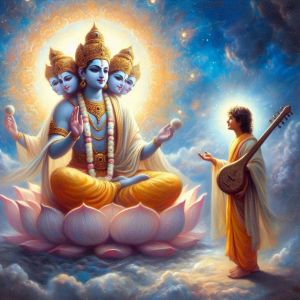
Structure and Key Teachings of the Brahma Upanishad
The Brahma Upanishad consists of 3 chapters and a total of 110 verses.
Simple Explanation of the Chapters:
- Chapter 1: Introduces the dialogue between Sage Pippalada and Shaunaka Mahashala, focusing on the nature of Atman and Brahman, and emphasizing that true knowledge transcends external rituals.
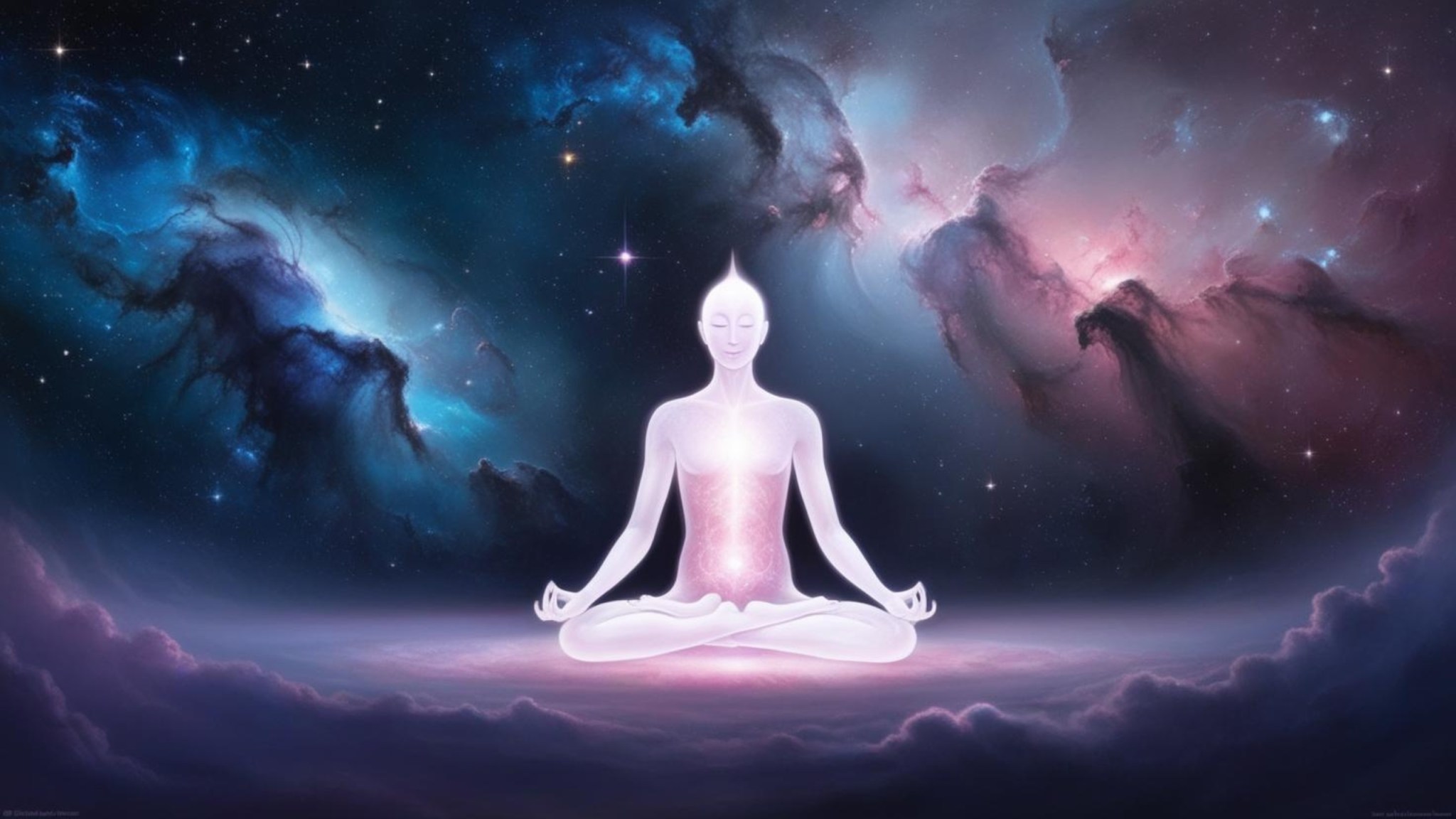
- Chapter 2: Explores the four states of consciousness—waking, dreaming, deep sleep, and Turiya—and highlights meditation on the inner Self as the means to liberation.
- Chapter 3: Details the principles of renunciation and self-discipline, describing Prana as the vital force governing the body and cosmos, and underscores that realization of the formless Brahman brings eternal peace and freedom from attachment.
Key Verses and Spiritual Insights of the Brahma Upanishad
- Verse 1 (Chapter 1) – “Brahman is the eternal Self, the source of all; he pervades the body like a spider in its web.”
- Meaning: The ultimate reality (Brahman) is present within all beings, controlling and sustaining the universe from within.
- Verse 15 (Chapter 1) – “Renunciation of worldly desires and rituals leads to the realization of the Self.”
- Meaning: True liberation comes from inner detachment and knowledge, not mere external observances.
- Verse 28 (Chapter 2) – “In the waking, dreaming, and deep sleep states, the Self remains unchanged; meditation on the fourth state (Turiya) reveals Brahman.”
- Meaning: Understanding and experiencing the transcendental state beyond ordinary consciousness is the path to self-realization.
- Verse 60 (Chapter 2) – “Prana is the vital force guiding the mind, senses, and life; knowing Prana is knowing Brahman.”
- Meaning: Recognizing the life-force within oneself leads to insight into the ultimate reality.
- Verse 105 (Chapter 3) – “The renunciate who meditates upon the formless Brahman attains eternal peace, freedom from bondage, and liberation from birth and death.”
- Meaning: Spiritual discipline and meditation on the formless Self culminate in moksha (liberation).
These verses highlight the core philosophy of the Brahma Upanishad: meditation, renunciation, understanding consciousness, and realization of Brahman as the ultimate goal. For More Information Click Here

Core Teachings and Philosophical Essence of the Brahma Upanishad
The Brahma Upanishad teaches that the ultimate reality, Brahman, is the eternal Self that pervades all beings and the universe, governing everything from within. It emphasizes that true knowledge and liberation arise not from external rituals but from inner renunciation, meditation, and self-discipline. The text describes the four states of consciousness—waking, dreaming, deep sleep, and the transcendental Turiya—highlighting meditation on the fourth state as the path to self-realization. Prana, the vital life-force, is central to understanding the Self, as it animates the body, senses, and mind. The Upanishad underscores that realization of the formless Brahman brings freedom from attachment, fear, and the cycle of birth and death. Ultimately, it presents the renunciate who meditates on the Self as the embodiment of eternal peace, wisdom, and liberation. For More Information Click Here
Conclusion
In conclusion, the Brahma Upanishad emphasizes that the ultimate goal of human life is the realization of the formless, eternal Brahman residing within all beings. It teaches that liberation arises not from external rituals but through inner renunciation, meditation, and self-discipline. By understanding the four states of consciousness—waking, dreaming, deep sleep, and Turiya—one attains insight into the true nature of the Self. The Upanishad highlights Prana as the vital force connecting body, mind, and cosmos, showing that knowledge of the Self leads to mastery over life. It underscores detachment from worldly desires and attachment to the Self as essential for freedom. Ultimately, it presents the renunciate who meditates on Brahman as the embodiment of eternal peace, wisdom, and liberation from the cycle of birth and death.
Join Our Classes:
The Upanishads are more than just ancient texts—they are timeless guides to living with clarity, balance, and inner peace. Our classes make their profound wisdom easy to understand and apply in everyday life. Join us to explore these teachings and discover a new way of seeing yourself and the world!