What is Brihadaranayaka Upanishad?
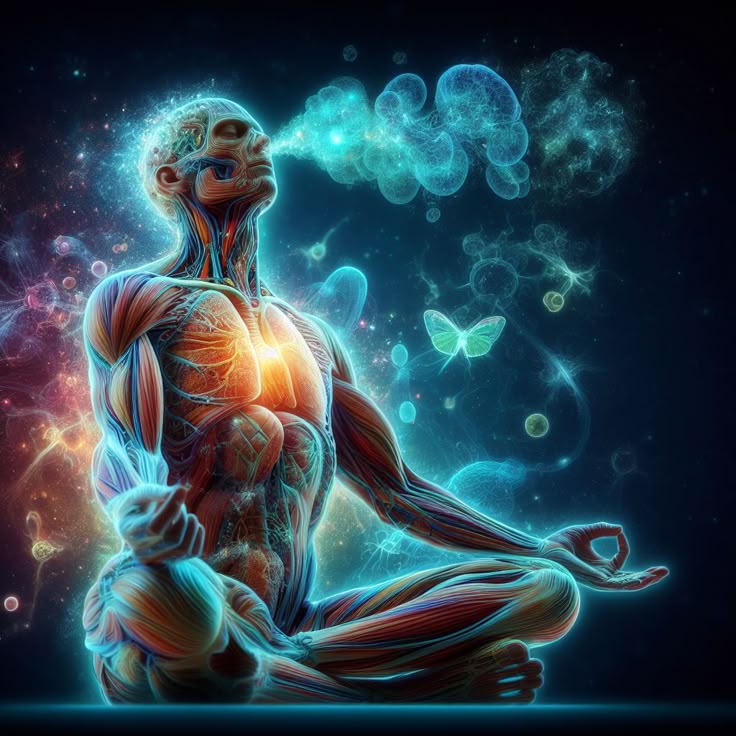
The Brihadaranyaka Upanishad is one of the oldest and most profound Upanishads, forming part of the Shukla Yajur Veda. Its name means “Great Forest Upanishad,” signifying its vast philosophical depth. This text explores the nature of the Self (Ātman), ultimate reality (Brahman), and the unity of all existence. It includes dialogues between sages like Yajnavalkya and Gargi, addressing deep metaphysical questions. Core themes include the illusion of individuality, the power of knowledge, and the pursuit of liberation (moksha). Its teachings have greatly influenced later Indian philosophy, especially Advaita Vedanta. For More Information Click Here
Teachings of Brihadaranayaka Upanishad
The Brihadaranyaka Upanishad contains profound teachings that form the foundation of Vedantic philosophy. Here are some of its core teachings:
-
Ātman is Brahman – The innermost Self (Ātman) is identical with the supreme reality (Brahman); knowing this leads to liberation.
-
Neti Neti (Not this, not this) – The ultimate truth cannot be fully described; it is beyond all attributes and concepts.
-
Immortality through Self-knowledge – Realizing the true Self as eternal and unchanging leads to freedom from the cycle of birth and death.
-
Unity of existence – All beings and phenomena are essentially one; diversity is an appearance due to ignorance.
-
Renunciation and detachment – True knowledge comes not from rituals but from renouncing worldly desires and realizing the Self.
-
Power of speech and thought – The Upanishad explores the creative force of speech (Vāk) and how thought leads to manifestation.

Adi Shankaracharya’s Perspective on the Brihadaranayaka Upanishad
Adi Shankaracharya’s perspective on the Brihadaranyaka Upanishad is deeply rooted in his non-dualistic (Advaita) philosophy. Through his detailed commentary (Bhashya), he interprets this Upanishad as a profound scripture revealing the unity of the individual self (Ātman) with the ultimate reality (Brahman). Here are the key elements of his view:
-
Non-Duality (Advaita): Shankara emphasizes that there is no real distinction between jīva (individual soul) and Brahman. The apparent separation is due to avidyā (ignorance).
-
Self-Knowledge as Liberation: For Shankara, moksha (liberation) is attained through jñāna (knowledge) of the Self, not through rituals or karmic actions. The Upanishad’s dialogues, especially those of Yājñavalkya, support this.
-
Neti Neti Doctrine: He stresses the Upanishad’s teaching of “Neti, Neti” (Not this, not this) as a method of negating all limited identifications and concepts to arrive at the formless, infinite Self.
-
Illusoriness of the World: Shankara interprets the phenomenal world as mithyā (appearance), arising from ignorance, and only Brahman is truly real (satya).
-
Role of Guru and Śruti: He insists on the importance of a qualified teacher and the authority of the Upanishads (śruti) in revealing the truth beyond the mind and senses.
-
Inner Sacrifice over Outer Rituals: The Upanishad often critiques Vedic ritualism, which Shankara supports, arguing that inner realization is superior to external rites.
In essence, Shankara sees the Brihadaranyaka Upanishad as a supreme text guiding seekers from illusion to the direct experience of non-dual truth.
Theme of Brihadaranayaka Upanishad
The central theme of the Brihadaranyaka Upanishad is the realization of the Self (Ātman) as the ultimate, non-dual reality (Brahman). It explores this through deep philosophical dialogues and metaphysical insights. Here are the core thematic elements:
-
Ātman as the Supreme Reality – The Upanishad teaches that the true Self is infinite, eternal, and identical with Brahman.
-
Liberation through Knowledge – Moksha (liberation) is attained not by rituals but by jnāna (Self-knowledge).
-
Unity of All Existence – All beings are manifestations of the one reality; duality is an illusion caused by ignorance (avidyā).
-
Transcendence of the Material World – The Upanishad emphasizes that the physical world and the body are not the ultimate truth.
-
Inner over Outer – It shifts focus from external rituals to inward realization and renunciation.
-
Ethics and Detachment – Righteous living (dharma) and detachment from desires are seen as necessary for Self-realization.

Summary of Brihadaranayaka Upanishad Verses
The Brihadaranyaka Upanishad is a vast and deep philosophical text consisting of six chapters (adhyāyas) with multiple sections and verses. It explores profound truths about the Self (Ātman), the nature of reality (Brahman), rebirth, liberation, and the illusory nature of duality. Through intense dialogues, especially between sage Yājñavalkya and other seekers, the Upanishad dismantles superficial understanding and leads the aspirant toward non-dual awareness. Key teachings include “Ātman is Brahman,” the method of “Neti Neti,” and the idea that true freedom comes only from Self-knowledge. Each verse builds on the quest to know the unchanging reality beyond body and mind. The Upanishad ends by affirming inner realization as the path to immortality. For More Information Click Here
Verses
-
The cosmic horse (Ashva) symbolizes the universe itself, representing time, space, and elements.
-
Each part of the horse’s body corresponds to a part of the cosmos, linking the micro and macro worlds.
-
The symbolic aspects of the horse’s anatomy represent various gods, times, and natural forces.
-
The rising and setting of the sun are symbolized by the horse’s breath and movements.
-
Time and seasons are woven into the being of the cosmic horse, making it a representation of cyclical existence.
-
The limbs and organs of the horse are linked to cosmic functions like rain, wind, and fire.
-
Sacrificial rituals reflect universal order, connecting divine forces and human duties.
-
The sacrificial horse’s form is a metaphor for the universe’s structure and divine presence.
-
The horse, when offered in sacrifice, becomes one with the cosmic Self (Ātman).
-
The sacrificial process is not merely symbolic but a reenactment of cosmic creation.
-
The body of the horse is divided among different gods, showing divine participation in creation.
-
Sacrificers, priests, and rituals mirror the functions of cosmic elements and forces.
-
Rituals aim to transcend the physical and connect with the eternal truth of existence.
-
The horse’s release signifies the merging of individual existence into the universal.
-
Through the Ashvamedha, the seeker contemplates the unity of Self and the universe. Click Here For More
Why Brihadaranayaka Upanishad Important?
The Brihadaranyaka Upanishad is important because it is one of the oldest, longest, and most philosophically profound Upanishads, laying the foundation for much of Vedanta philosophy. Here’s why it holds such significance:
-
Foundational Text of Advaita Vedanta – It powerfully presents the idea that Ātman (Self) and Brahman (Absolute Reality) are one.
-
Source of Key Concepts – Core philosophical ideas like Neti Neti (not this, not this), karma, rebirth, and moksha are elaborated here.
-
Inspiration for Thinkers – Saints and philosophers like Adi Shankaracharya drew deeply from it to shape Indian spiritual thought.
-
Profound Dialogues – Conversations between sages like Yājñavalkya and Gargi offer timeless insights into life, death, and consciousness.
-
Shifts Focus to Inner Knowledge – It moves beyond ritualism to stress self-inquiry and inner realization as the path to liberation.
-
Timeless Relevance – Its teachings transcend time, guiding seekers toward the truth of who they really are.
Conclusion
In conclusion, the Brihadaranyaka Upanishad stands as a timeless spiritual classic that delves into the ultimate questions of existence, identity, and liberation. It teaches that the Self (Ātman) is not different from the Supreme (Brahman) and that true freedom lies in realizing this oneness. Through powerful dialogues, philosophical inquiry, and negation of the non-Self (Neti Neti), it guides the seeker inward, beyond rituals and beliefs, to the source of all truth. Its wisdom has shaped the essence of Vedantic thought and continues to illuminate the path for all who seek inner truth and lasting peace.
Join Our Classes:
The Upanishads are more than just ancient texts—they are timeless guides to living with clarity, balance, and inner peace. Our classes make their profound wisdom easy to understand and apply in everyday life. Join us to explore these teachings and discover a new way of seeing yourself and the world!