Sri Vijayakumar Sastrigal and the Essence of Chamakam Kramam
Who is Sri Vijayakumar Sastrigal?
Sri Vijayakumar Sastrigal is a revered Vedic scholar and an eminent practitioner of traditional Vedic chanting. His deep knowledge of the Vedas and his clear, resonant recitation have made him one of the foremost exponents of Vedic chant preservation and dissemination in contemporary times.
He has dedicated his life to preserving the sanctity and authenticity of Vedic recitations, making them accessible to seekers, practitioners, and students of Vedanta across the globe. Through his meticulously accurate and melodious chanting, he revives the spiritual potency and vibrancy inherent in these ancient texts.
Among his significant contributions are the precise Krama Pāṭha recitations of sacred hymns, notably the Chamakam Kramam, which is a systematic, meditative recitation of the Chamakam portion of Sri Rudram. His recordings offer an authentic guide to traditional Vedic chanting.
Some of his notable recordings include:
-
Ashwamedham – Click to listen
-
Rudram – Click to listen
-
Rudram Kramam – Click to listen
-
Rudram Chamakam – Click to listen
- Chamakam Kramam – Click to listen
Through his contributions, Sri Vijayakumar Sastrigal ensures that these ancient Vedic chants continue to guide practitioners towards spiritual growth and deeper self-awareness.

Composition Details: What is Chamakam?
Origins and Meaning
Chamakam is a sacred hymn from the Krishna Yajurveda, traditionally chanted along with the Namakam as part of Sri Rudram. While Namakam praises Lord Rudra (Shiva) by invoking his many forms and aspects, Chamakam is a prayer of fulfillment, requesting material and spiritual blessings from the divine.
The Chamakam consists of 11 anuvakas (sections) and is structured around repeated requests, each ending with the phrase “cha me”, meaning “and for me (let there be)”. These requests range from basic human needs to higher spiritual goals, covering all aspects of life and consciousness.
Chamakam Kramam Lyrics 
agnir–me–havyadatā–ca me
havyadatā–ca me–tanūnapāt–ca me
tanūnapāt–ca me–ilā–ca me
ilā–ca me–sarasvatī–ca me
sarasvatī–ca me–devahūtī–ca me
devahūtī–ca me–tanūruuci–ca me
tanūruuci–ca me–bhārgavī–ca me
bhārgavī–ca me–dhātṛ̥–ca me
dhātṛ̥–ca me–vidhātṛ̥–ca me
vidhātṛ̥–ca me–vasu–ca me
vasu–ca me–vasupati–ca me
vasupati–ca me–bhagā–ca me
bhagā–ca me–priyā–ca me
priyā–ca me–anamikā–ca me
anamikā–ca me–vasyā–ca me
vasyā–ca me–śrī–ca me
śrī–ca me–ilā–ca me
ilā–ca me–mahī–ca me
mahī–ca me–mahānasa–ca me
mahānasa–ca me–vṛkṣa–ca me
vṛkṣa–ca me–śatā–ca me
śatā–ca me–śatasya–ca me
śatasya–ca me–purīṣya–ca me
purīṣya–ca me–purīṣasya–ca me
purīṣasya–ca me–padyasya–ca me
padyasya–ca me–padya–ca me
padya–ca me–kṣema–ca me
kṣema–ca me–śarma–ca me
śarma–ca me–svasti–ca me
svasti–ca me–prīti–ca me…
Click here to Listen Full Song
The Chamakam Kramam refers to the Krama Pāṭha method applied specifically to the Chamakam hymn. This style of chanting enhances concentration, ensures pronunciation precision, and deepens meditative absorption. It also serves as a traditional tool for preserving the integrity of Vedic knowledge, handed down meticulously through generations.
Sree Rudram: The Heart of the Yajur Veda
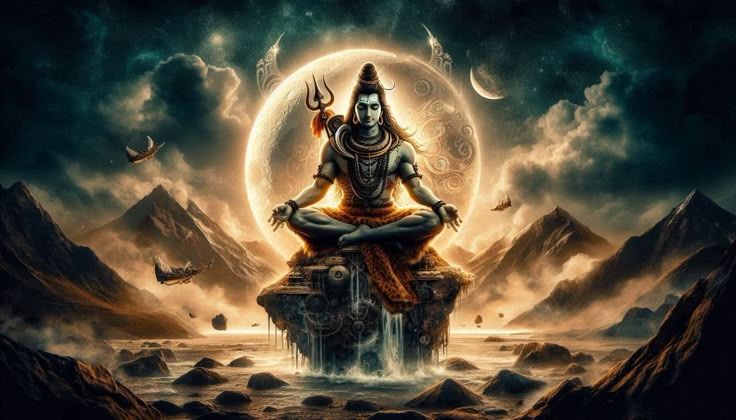
Sree Rudram and Chamakam (Namakam and Chamakam), from the fourth Kanda of the Taittiriya Samhita in the Yajur Veda, are among its most sacred mantras. The mantra “Namah Sivaya,” at the center of Sree Rudram, highlights its spiritual importance. Known as Satarudriyam and Rudropanishad, it bridges ritual worship (bhukti) and spiritual liberation (mukti). Above all, it is revered as the most potent chant to please Lord Rudra.
Exploring the Essence of Chamakam Kramam
The Prayer of Fulfillment
Chamakam is unique in its comprehensive appeal for both worldly prosperity and spiritual realization. It recognizes that spiritual practice and material well-being can coexist and encourages the seeker to ask for everything necessary to live a complete and fulfilled life.
Sri Vijayakumar Sastrigal’s Chamakam Krama Pāṭha embodies this holistic vision, invoking energies that nourish both body and soul.
Structure o f the Anuvakas (Sections)
- Anuvakas 1–5: Requests for personal and communal prosperity, food, health, strength, and longevity.
- Anuvakas 6–11: Seek fulfillment of higher goals—spiritual growth, wisdom, cosmic balance, and liberation (Moksha).
By practicing or listening to the Krama Pāṭha, the vibrations are believed to realign one’s energy, cultivating inner harmony and outer abundance.

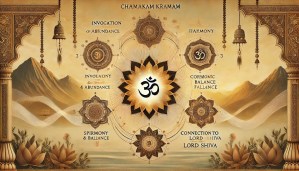
Key Themes of Chamakam Kramam
-
Invocation of Abundance and Prosperity
The hymn asks for everything needed for a complete life—health, wealth, knowledge, progeny, and strength. -
Balance of Material and Spiritual Desires
Chamakam acknowledges the role of material prosperity as a foundation for spiritual pursuits. -
Sacred Vibrations and Energy Alignment
The Krama Pāṭha enhances the energy field of the listener, bringing mental clarity, peace, and spiritual upliftment. -
Preservation of the Vedic Tradition
Through precise chanting techniques, Sri Vijayakumar Sastrigal contributes to the living tradition of Vedic learning and practice.
Author and Composition Relation: How are They Related?
Sri Vijayakumar Sastrigal’s association with Chamakam Kramam lies in his role as a preserver and transmitter of this ancient knowledge. His recordings:
- Preserve the Authenticity of the Krama Pāṭha method.
- Make Vedic Chanting Accessible to global audiences.
- Support Meditation and Ritual Practice, enhancing their spiritual potency.
- Bridge Ancient Wisdom and Modern Life, making timeless teachings relevant and practical.
Conclusion
Sri Vijayakumar Sastrigal’s Chamakam Kramam recitations are more than just a scholarly exercise—they are a spiritual offering, helping listeners and practitioners experience the transformative power of Vedic chanting.By maintaining the purity of recitation, he ensures that the vibrations of Chamakam continue to nourish the seeker’s body, mind, and soul. His work is a beacon for spiritual aspirants, connecting them to the eternal truths of the Vedas and guiding them towards self-realization and universal well-being.