Chapter 11 – Visvarupa Darsana Yoga (The Yoga of the Vision of the Universal Form)
Introduction:
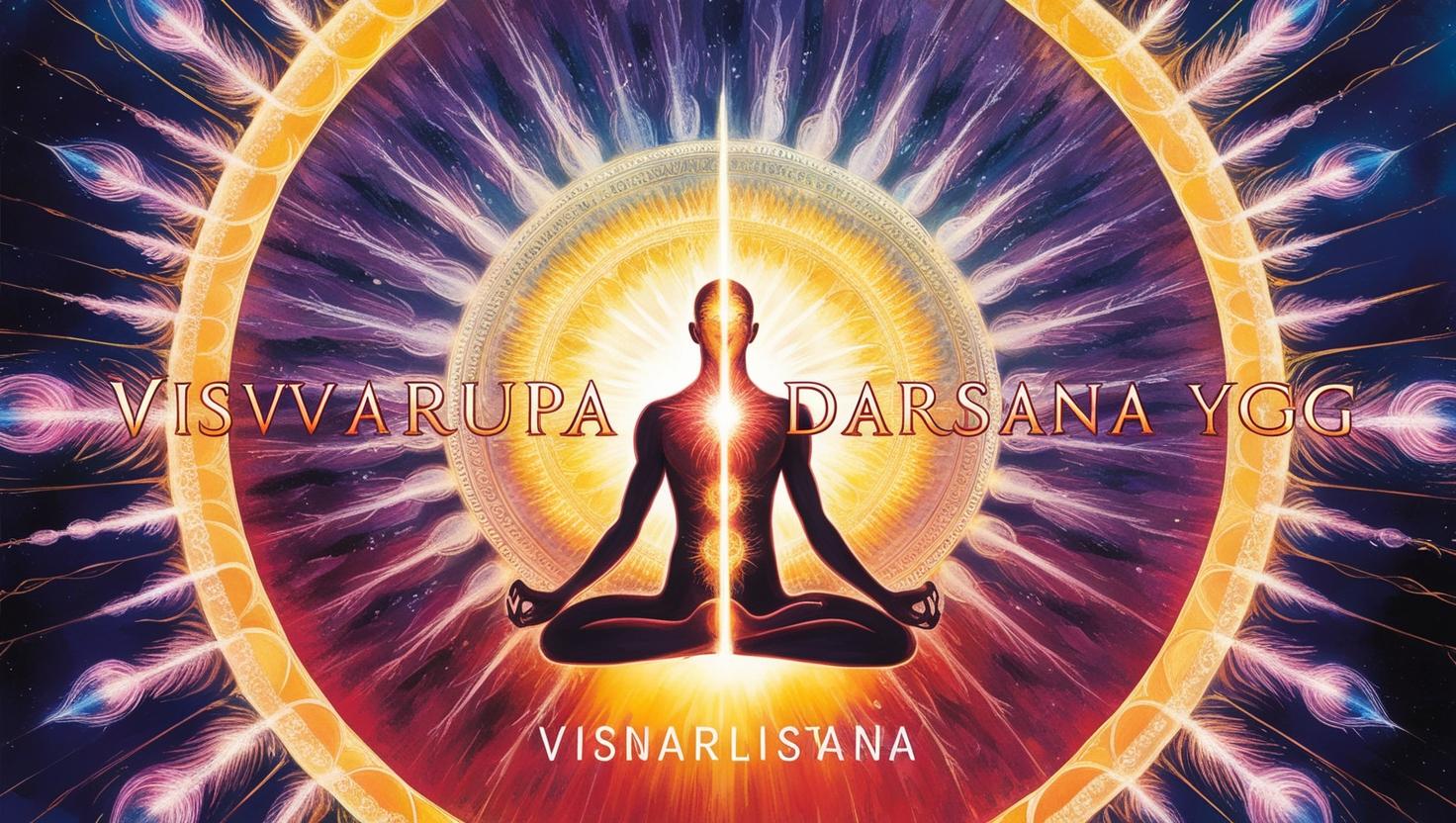
Chapter 11 of the Bhagavad Gita reveals one of the most awe-inspiring moments in all of Hindu scripture—Lord Krishna unveils His Viśvarūpa (Universal Form) to Arjuna. This cosmic vision is a culmination of Arjuna’s spiritual journey, emphasizing the grandeur, omnipresence, and transcendental nature of the Divine. It reaffirms that God is beyond form yet can manifest through infinite forms. This chapter is a turning point where Arjuna fully surrenders to Krishna, realizing His supreme divinity. Access Bhagavad Gita Notes & Summary.

Key Themes of Chapter 11 – Visvarupa Darsana Yoga
1. Arjuna’s Request for Divine Vision (Verses 1–4):
Arjuna, after hearing about Krishna’s divine glories in Chapter 10, humbly requests to see Krishna’s cosmic form to deepen his understanding and devotion. Click Here For Chapter-11.
Key Verse (11.3):
“You have described Your supreme glory, O Lord, now please show me Your form as the universal Self.”
2. Granting Divine Sight – Krishna’s Grace (Verses 5–8):
Krishna agrees to show Arjuna His true form but reminds him that this form cannot be seen with physical eyes. He bestows Arjuna with Divya Chakshu (divine eyes).
Key Verse (11.8):
“But you cannot see Me with your present eyes. Therefore, I give you divine sight; behold My majestic yoga.”
3. The Cosmic Form Revealed (Verses 9–14):
With Sanjaya narrating, Arjuna beholds a vision that is infinite, radiant, adorned with celestial ornaments, and encompassing the entire universe. The form is both beautiful and terrifying, representing creation and destruction. Click Here For Chapter-11.
Key Verse (11.10):
“He had many mouths and eyes, adorned with many divine ornaments, wielding many heavenly weapons.”
4. Arjuna’s Awe, Fear, and Devotion (Verses 15–31):
Initially struck with wonder, Arjuna is soon overwhelmed by the destructive aspect of the cosmic form—seeing great warriors being consumed by Krishna’s flaming mouths.
Key Verse (11.32):
“I am Time, the great destroyer of the worlds, and I have come here to destroy all people.”
5. Surrender and Plea (Verses 32–46):
Arjuna realizes Krishna is not merely a charioteer or friend but Brahman Himself. He begs forgiveness for any past irreverence and pleads Krishna to return to His gentle human form. Click Here For Chapter-11.
Key Verse (11.45):
“O Lord of lords, I am terrified! Please show me your original form again. Be gracious, O God of gods!”
6. Krishna’s Return to Human Form and the Power of Bhakti (Verses 47–55):
Krishna withdraws the universal form and reassures Arjuna with His loving, gentle form. He declares that such a vision can only be attained through exclusive devotion (Ananya Bhakti), not through rituals, study, or austerities alone. Click Here For Chapter-11.
Key Verse (11.54):
“By devotion alone can I be known and seen truly, and entered into, O Arjuna.”

Key Teachings of Visvarupa Darsana Yoga
- God’s Omnipresence: The Divine exists in all things, all beings, and all events—creation and destruction alike.
- Temporal Worldview: Everything in creation is transient, moving under the wheel of time.
- Divine Grace is Essential: One cannot perceive God’s true form without His blessing.
- Bhakti (Devotion) is Supreme: Exclusive, undivided devotion is the path to divine realization.
- True Surrender: Real wisdom is to surrender the ego and see Krishna as the Supreme Reality.
Practical Applications of Visvarupa Darsana Yoga
- Cultivate Devotion: Daily worship and devotion can lead to spiritual elevation.
- Surrender the Ego: Let go of pride and view the world through the lens of divine unity.
- Accept Impermanence: Recognize that change, death, and destruction are part of divine will.
- Practice Gratitude and Humility: Like Arjuna, acknowledge your limitations and seek divine guidance.
- Focus on God in All: See the presence of the Divine in everything around you. Click Here For Chapter-11.
Key Slokas from Chapter 11 – Visvarupa Darsana Yoga
(11.32) – Lord as Time:
Sanskrit:
कालोऽस्मि लोकक्षयकृत्प्रवृद्धो लोकान्समाहर्तुमिह प्रवृत्तः।
Translation:
“I am Time, the destroyer of the worlds, engaged in destroying all people.”
(11.54) – Bhakti as the Means:
Sanskrit:
भक्त्या त्वनन्यया शक्य अहमेवंविधोऽर्जुन।
Translation:
“But by single-minded devotion, I may be known in this form, seen in reality, and entered into.” Click Here For Chapter-11.
References for Visvarupa Darsana Yoga
- Bhagavad Gita Commentaries – Swami Sivananda, Swami Chinmayananda, A.C. Bhaktivedanta Swami, and modern thinkers.
- Vedanta & Upanishads – Deep insights into the nature of cosmic reality and self-realization.
- Scriptural Parallels – Similar visions of cosmic forms are found in Upanishads and Puranas.
- Modern Teachings – Paramahansa Yogananda, Swami Vivekananda, and others highlight devotion as the soul’s journey to Divine Unity. Click Here For Chapter-11.
Benefits of Visvarupa Darsana Yoga
- Removes Ignorance of Divine Vastness
- Cultivates Fearlessness and Awe
- Strengthens Devotional Faith
- Promotes Humility and Surrender
- Enables Higher Understanding of Reality
- Encourages Focus on Bhakti as the Supreme Path
Conclusion
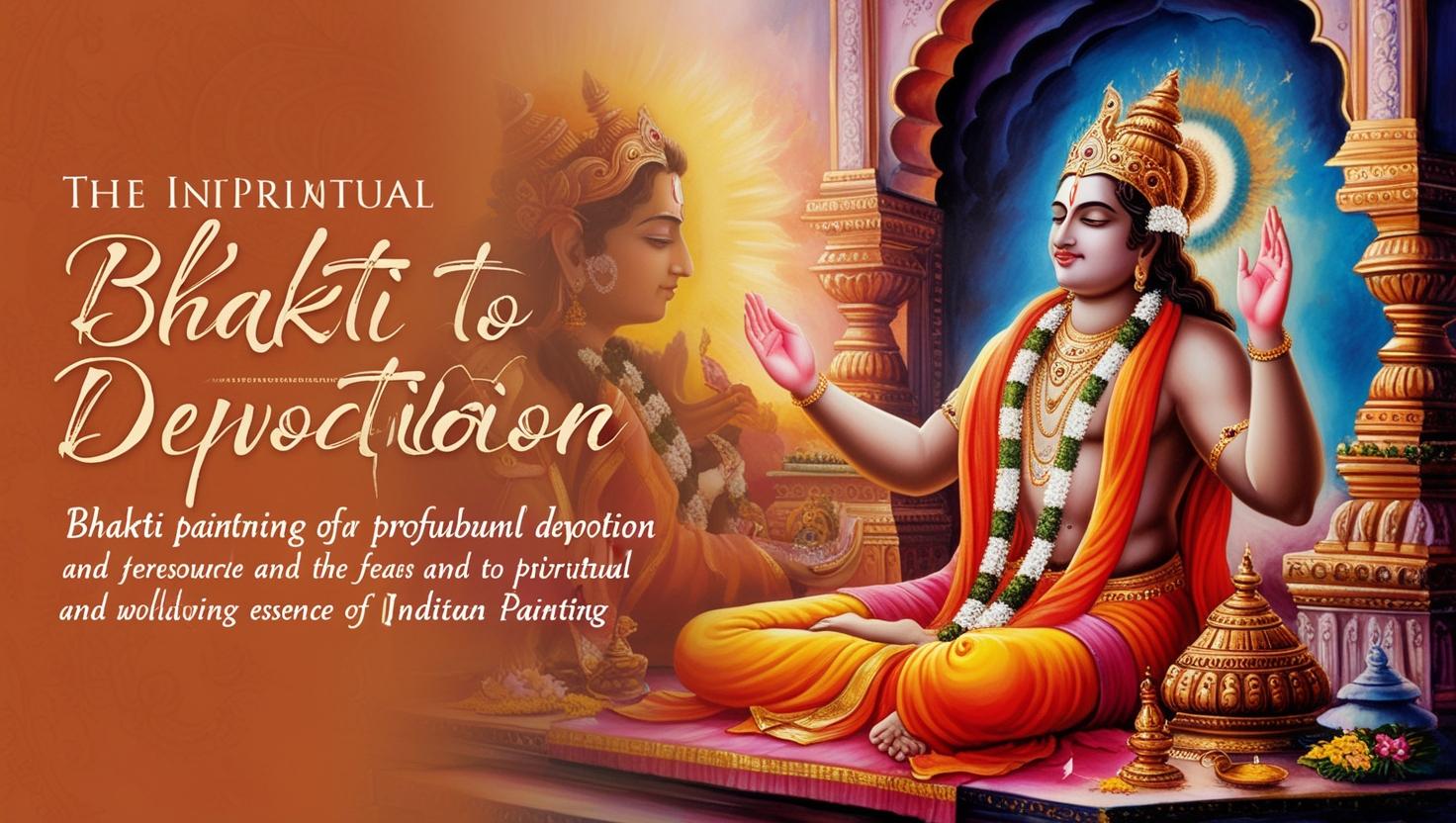
Viśvarūpa Darśana Yoga is a powerful spiritual revelation. Through Krishna’s cosmic form, Arjuna (and the seeker) realizes that the Divine is infinite, timeless, and all-encompassing. The experience of awe, fear, and surrender leads Arjuna—and us—to the path of pure devotion (Bhakti Yoga). It shows that only through surrender, love, and unwavering faith can one realize the Supreme and attain Moksha.
Join Our Classes:
The Bhagavad Gita is more than just a book—it’s a guide to living with balance and peace. Our classes make its deep wisdom easy to understand and apply in everyday life. Join us to explore the teachings and see the world in a new light!