Introduction:
The Dakshinamurthi Stotram, composed by Adi Shankaracharya, is a profound hymn praising Lord Dakshinamurthi, the silent teacher and embodiment of wisdom. It reveals the essence of Advaita Vedanta, highlighting the Self as pure consciousness beyond body, mind, and senses. Through simple yet deep verses, it guides seekers to distinguish the eternal from the transient. Click Here To More Detail.
- Nirvana Shatakam (Atma Shatakam) – Click to view Chanting
- Dakshinamurthy Stotram – Click to view Chanting
- Vivekachudamani – Meditation Verses – Click to view Chanting
- Panchadasi – Click to view Chanting
- Mandukya Upanishad – Click to view Chanting
Through her clear and melodious chanting, she brings these ancient compositions to life, allowing practitioners and enthusiasts to connect with their profound teachings on a deeper level.
Composition Details: What is Dakshinamurthy Stotram?
Origins and Meaning
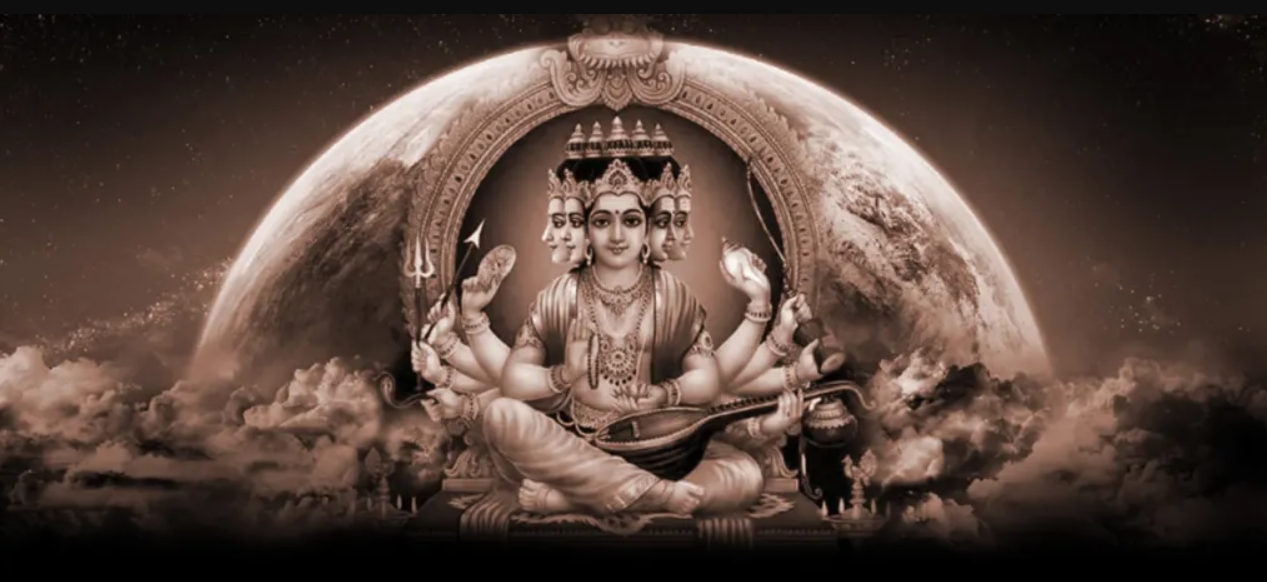
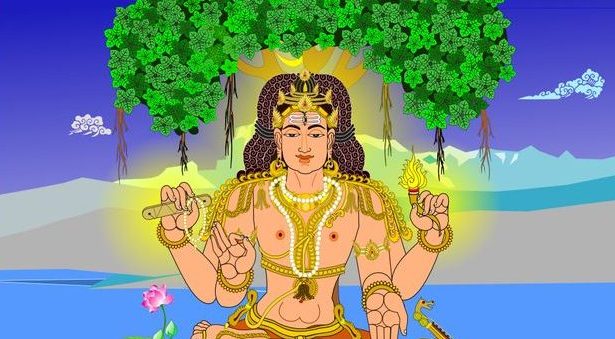
The Dakshinamurthy Stotram is a Sanskrit hymn composed by Adi Shankaracharya, dedicated to Lord Dakshinamurthy, who is revered as the Adi Guru (the first teacher) and the embodiment of supreme wisdom (Jnana).
This stotram describes Dakshinamurthy as the silent teacher who imparts knowledge through deep meditation and inner realization, rather than through words. It emphasizes self-inquiry, the illusory nature of the world (Maya), and the ultimate truth of non-dual consciousness (Advaita Vedanta).
Each verse highlights the role of self-knowledge in attaining liberation (Moksha) and the importance of a guru in guiding seekers toward spiritual enlightenment.
Dakshinamurthy Stotram English Lyrics
viśvaṁ darpaṇa-dṛśyamāna-nagarī-tulyam
nija-āntara-gatam
paśyan ātmani māyayā bahiḥ-iva-udbhūtam yathā nidrayā
yaḥ sākṣātkurate prabodha-samaye sva-ātmānam eva advayam
tasmai śrī-gurumūrtaye nama idaṁ śrī-dakṣiṇāmūrtaye
bījasya-āntara-iva-aṅkuraḥ jagat-idaṁ prāk-nirvikalpaṁ punaḥ
māyā-kalpita-deśa-kāla-kalanā vaicitrya-citrīkṛtam
māyāvī-iva vijṛmbhayati api mahāyogī-iva yaḥ svechchhayā
tasmai śrī-gurumūrtaye nama idaṁ śrī-dakṣiṇāmūrtaye
yasya-eva sphuraṇaṁ sat-ātmakam asat-kalpa-arthakaṁ bhāsate
sākṣāt “tattvamasi” iti veda-vacasā yaḥ bodhayati āśritān
yat-sākṣātkaraṇāt bhavet na punaḥ āvṛttiḥ bhava-ambhonidhau
tasmai śrī-gurumūrtaye nama idaṁ śrī-dakṣiṇāmūrtaye
nānā-chidra-ghaṭa-udara-sthita-mahā-dīpa-prabhā-bhāsvaraṁ
jñānaṁ yasya tu chakṣuḥ-ādi-karaṇa-dvārā bahiḥ spandate
jānāmi iti tam-eva bhāntam anu-bhāti etat samastaṁ jagat
tasmai śrī-gurumūrtaye nama idaṁ śrī-dakṣiṇāmūrtaye
Dakshinamurthy Stotram Sanskrit Lyrics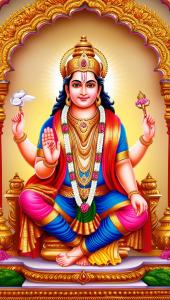
विश्वं दर्पणदृश्यमाननगरीतुल्यं निजांतर्गतम्
पश्यन्नात्मनि मायया बहिरिवोद्भूतं यथा निद्रया।
यः साक्षात्कुरुते प्रभोधसमये स्वात्मानमेवाद्वयम्
तस्मै श्रीगुरुमूर्तये नम इदं श्रीदक्षिणामूर्तये॥
बीजस्यांतरिवाङ्कुरो जगदिदं प्राङ्निर्विकल्पं पुनः
मायाकल्पितदेशकालकलना वैचित्र्यचित्रीकृतम्।
मायावीव विजृम्भयत्यपि महायोगीव यः स्वेच्छया
तस्मै श्रीगुरुमूर्तये नम इदं श्रीदक्षिणामूर्तये॥
यस्यैव स्फुरणं सदात्मकमसत्कल्पार्थकं भासते
साक्षात्तत्त्वमसीति वेदवचसा यो बोधयत्याश्रितान्।
यत्साक्षात्करणाद्भवेन्न पुनरावृत्तिर्भवाम्भोनिधौ
तस्मै श्रीगुरुमूर्तये नम इदं श्रीदक्षिणामूर्तये॥
नानाच्छिद्रघटोदरस्थितमहादीपप्रभाभास्वरं
ज्ञानं यस्य तु चक्षुरादिकरणद्वारा बहिः स्पन्दते।
जानामीति तमेव भान्तमनुभात्येतत्समस्तं जगत्
तस्मै श्रीगुरुमूर्तये नम इदं श्रीदक्षिणामूर्तये॥
Key Themes of Dakshinamurthy Stotram
1. The World as an Illusion (Maya)
“The world appears like a reflection in a mirror, but it is only an illusion created by Maya.”
This verse explains that the world we perceive is illusory and appears real only due to ignorance. Like a dream, it seems real while we experience it, but upon awakening, we realize its transient nature.
2. The Guru as the Source of Ultimate Knowledge
“Like a seed containing a whole tree, the Guru holds the essence of truth and reveals it to the seeker.”
The Guru (Dakshinamurthy) does not teach through words but through inner realization. He represents self-illumination, where knowledge arises from within.
3. The Self as the Only Reality
“The real Self is beyond body and mind, and those who recognize it attain liberation.”
The hymn emphasizes non-dual awareness (Advaita), where the seeker realizes that there is no difference between the individual soul (Jivatma) and the universal soul (Paramatma).
4. Light of Consciousness (Jnana Deepa)
“Like the light inside a pot with holes, the consciousness shines through the senses, illuminating the world.”
This verse highlights the idea that our awareness is the source of all perception. The world appears to exist because of our consciousness, just like light revealing objects in a dark room.
Author and Composition Relation: How are They Related?
Vijaya Gosala’s association with the Dakshinamurthy Stotram lies in her role as a conduit for its oral transmission. Through her clear and melodious chanting, she brings this ancient composition to life, allowing practitioners and enthusiasts to connect with its profound teachings on a deeper level. Explore PDFs.
Her Contributions Include:
- Preserving the Authenticity of the Chant.
- Spreading the Teachings of Advaita Vedanta.
- Aiding in Meditation and Self-Realization.
- Bridging Ancient Wisdom and Modern Seekers.
Conclusion
In essence, the Dakshinamurthi Stotram is both a prayer and a philosophical text leading to self-realization. By meditating on its truths, seekers overcome ignorance, dissolve illusion, and recognize their oneness with the supreme consciousness. It remains a timeless guide for inner awakening and liberation.