Overview and Yogic Philosophy of the Darshana Upanishad
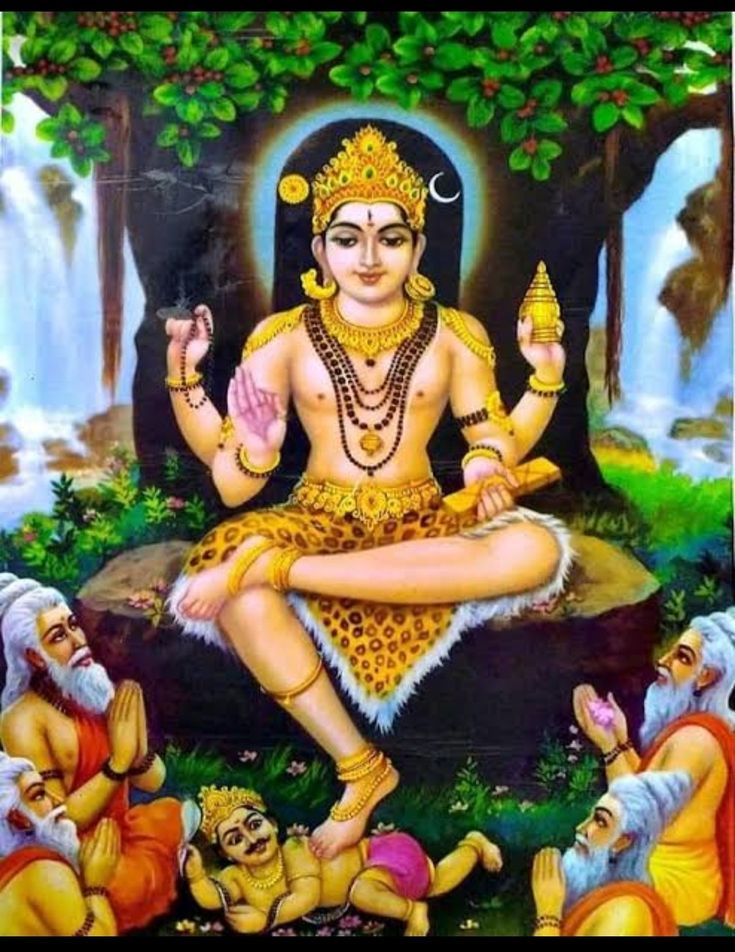
The Darshana Upanishad is a Yoga Upanishad attached to the Samaveda, composed as a discourse by Lord Dattatreya to sage Sankriti on yogic philosophy and practice. It presents a synthesis of Hatha Yoga and the eight‑limb (Ashtanga) Yoga of Patanjali, blending ethical discipline (yama, niyama), physical postures (asana), breath control (pranayama), sense withdrawal (pratyahara), concentration (dharana), meditation (dhyana), and absorption (samadhi). The text begins with yogic ethics and physical practices, then moves to inner cleansing, subtle body theory with nadi channels and energy flows, and detailed breath exercises. In its later sections it guides the seeker through progressive stages of concentration, introspection, and meditation. Ultimately it teaches that the goal of yoga is self‑knowledge and the realization of the identity of one’s Atman with Brahman. The Upanishad uniquely grounds yogic discipline in Vedantic insight, showing how the body becomes a temple for spiritual awakening. For More Information Click Here
Structure and Chapter-wise Overview of the Darshana Upanishad
The Darshana Upanishad consists of 10 chapters with a total of 223 verses:
- Chapter 1: 25 verses
- Chapter 2: 16 verses
- Chapter 3: 13 verses
- Chapter 4: 63 verses
- Chapter 5: 14 verses
- Chapter 6: 51 verses
- Chapter 7: 14 verses
- Chapter 8: 9 verses
- Chapter 9: 6 verses
- Chapter 10: 12 verses
Simple Explanation of the Chapters:
- Chapters 1–2: Ethical foundations of yoga, including yama and niyama, preparing the practitioner for discipline and spiritual practice.
- Chapter 3: Physical postures (asana) and breath control (pranayama) to purify body and mind.
- Chapter 4: Cleansing techniques and subtle body practices, including energy channels (nadi) and inner vitality.
- Chapter 5: Withdrawal of the senses (pratyahara) and techniques for focusing the mind.
- Chapter 6: Concentration (dharana), meditation (dhyana), and deeper introspective practices.
- Chapter 7: Visualization and meditation on the inner Self and cosmic principles.
- Chapter 8: Advanced meditation practices leading to absorption.
- Chapter 9: Attaining the state of samadhi and union with the Self.
- Chapter 10: Realization of the identity of Atman with Brahman, culminating the yogic path.
Key Verses and Spiritual Insights of the Darshana Upanishad
- Chapter 1, Verse 1 – “Yoga is the union of the individual self with the supreme Self; ethical discipline is its foundation.”
- Meaning: The practice of yoga begins with moral and ethical conduct, which prepares the mind and body for higher realization.
- Chapter 3, Verse 5 – “The practitioner should sit steadily, controlling the body, breath, and senses, for attaining meditation.”
- Meaning: Physical posture and breath control are essential prerequisites for successful meditation and inner focus.
- Chapter 4, Verse 28 – “By purifying the nadis and awakening the inner energies, the yogi attains mastery over mind and body.”
- Meaning: Cleansing the subtle energy channels and regulating vital forces leads to heightened awareness and control.
- Chapter 6, Verse 12 – “Concentration on the Self dissolves distractions, and the mind becomes steady in contemplation.”
- Meaning: Focused meditation cultivates inner stillness and paves the way for deeper spiritual insight.
- Chapter 10, Verse 9 – “The yogi who realizes the identity of Atman with Brahman transcends all bondage and attains liberation.”
- Meaning: The ultimate goal of yoga is self-realization, merging the individual consciousness with the universal consciousness.
These verses highlight the core teachings of the Darshana Upanishad: ethical discipline, asana and pranayama, pratyahara, meditation, and the realization of the Self as Brahman. For More Information Click Here

Core Teachings and Philosophical Essence of the Darshana Upanishad
The Darshana Upanishad teaches that yoga is the path to union between the individual self and the supreme Self, grounded in ethical discipline and moral conduct. It emphasizes the importance of physical postures (asana) and breath control (pranayama) to purify the body and prepare the mind for meditation. The text highlights withdrawal of the senses (pratyahara) and concentration (dharana) as essential steps toward inner stillness and focused awareness. Meditation (dhyana) on the inner Self and visualization of cosmic principles leads to deeper self-knowledge. The ultimate goal is samadhi, the absorption in the Self, culminating in the realization of the identity of Atman with Brahman. Overall, it presents yoga as a holistic path integrating body, mind, and spirit for liberation and eternal peace. For More Information Click Here

Conclusion
In conclusion, the Darshana Upanishad presents a comprehensive guide to yoga as a path to self-realization and liberation. It emphasizes that ethical discipline, physical postures, and breath control form the foundation for meditation and inner development. Through withdrawal of the senses, concentration, and deep meditation, the practitioner gradually attains mastery over the body and mind. The text integrates yogic practice with Vedantic insight, showing that realization of the identity of Atman with Brahman is the ultimate goal. By following this holistic path, the yogi transcends worldly attachments, attains inner peace, and experiences spiritual liberation. Ultimately, it highlights yoga as a complete discipline harmonizing body, mind, and spirit in the pursuit of eternal truth.
Join Our Classes:
The Upanishads are more than just ancient texts—they are timeless guides to living with clarity, balance, and inner peace. Our classes make their profound wisdom easy to understand and apply in everyday life. Join us to explore these teachings and discover a new way of seeing yourself and the world!