Garuda Upanishad: Devotion, Protection, and Spiritual Practice
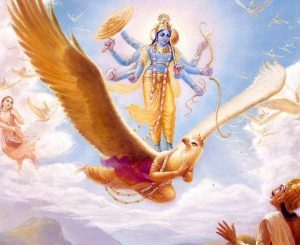
The Garuda Upanishad is a minor Upanishad associated with the Atharvaveda that focuses on the worship of Garuda, the divine eagle and vehicle of Lord Vishnu. It emphasizes devotion, mantras, and rituals for protection against poisons, diseases, and negative influences. The text describes Garuda as a powerful, luminous being whose grace grants health, vitality, and spiritual purification. It explains specific mantra recitations and meditative practices to invoke his protection and blessings. The Upanishad also highlights the symbolic significance of Garuda as a representation of divine power and alertness of mind. Overall, it presents devotion and disciplined practice as a means to attain both worldly protection and spiritual progress. For More Information Click Here

Structure and Spiritual Significance of the Garuda Upanishad
The Garuda Upanishad is a concise Upanishad focused on devotion, protection, and spiritual practices.
- Number of Chapters: 1
- Number of Verses: 25 verses
Simple Explanation of the Chapter:
The single chapter describes Garuda, the divine eagle and vehicle of Lord Vishnu, as a powerful protector who shields devotees from poisons, diseases, and negative influences. It emphasizes the use of devotion, mantra recitation, and meditation to seek Garuda’s grace and blessings. The Upanishad provides guidance on rituals and prayers that purify both body and mind, ensuring safety and spiritual growth. It highlights Garuda as a symbol of divine vigilance, strength, and awareness. Through disciplined practice and devotion, the seeker attains protection, vitality, and spiritual empowerment. Ultimately, it integrates devotion, ritual observance, and meditative focus as a pathway to both worldly well-being and spiritual progress.
Key Verses and Spiritual Insights of the Garuda Upanishad
- “Garuda is the protector of devotees; he removes poisons and evil influences.”
- Meaning: Garuda symbolizes divine protection, safeguarding devotees from physical and spiritual dangers.
- “By reciting the Garuda mantra with devotion, one attains health, strength, and peace of mind.”
- Meaning: Devotional mantra practice invokes Garuda’s grace, promoting both physical well-being and mental clarity.
- “He who meditates on Garuda with faith is freed from fear and obstacles.”
- Meaning: Focused meditation on the divine being grants courage, removes difficulties, and fosters spiritual security.
- “Garuda, radiant and mighty, embodies vigilance, power, and divine awareness.”
- Meaning: Garuda’s form symbolizes alertness, spiritual strength, and the power to transcend worldly dangers.
- “Through devotion and disciplined practice, the devotee experiences protection, purification, and spiritual progress.”
- Meaning: Regular worship, ritual observance, and meditation lead to both worldly safety and advancement on the spiritual path.
These verses capture the core teachings of the Garuda Upanishad: devotion, protection, meditation, and the attainment of spiritual and worldly well-being. For More Information Click Here

Core Teachings and Spiritual Significance of the Garuda Upanishad
The Garuda Upanishad teaches that devotion to Garuda, the divine eagle and vehicle of Lord Vishnu, grants protection from poisons, diseases, and negative influences. It emphasizes the power of mantra recitation, meditation, and ritual observance as means to invoke his grace. Garuda symbolizes vigilance, strength, and divine awareness, guiding the seeker toward both physical safety and spiritual empowerment. By cultivating faith and disciplined practice, the devotee attains inner peace, clarity, and purification of mind and body. The Upanishad underscores that spiritual protection and worldly well-being are interconnected through devotion and mindfulness. Ultimately, it presents worship, meditation, and ethical discipline as the pathway to holistic protection and spiritual progress. For More Information Click Here

Conclusion
In conclusion, the Garuda Upanishad emphasizes the combined power of devotion, meditation, and ritual practice to attain both protection and spiritual growth. It portrays Garuda as a divine symbol of vigilance, strength, and awareness, capable of shielding devotees from physical and spiritual dangers. The Upanishad teaches that disciplined recitation of mantras, ethical conduct, and focused meditation purify the mind and body. By cultivating faith and inner focus, the seeker experiences peace, clarity, and liberation from fear and obstacles. It highlights the interconnection between worldly well-being and spiritual progress. Ultimately, the text presents devotion and disciplined practice as a holistic path to protection, purification, and union with the divine.
Join Our Classes:
The Upanishads are more than just ancient texts—they are timeless guides to living with clarity, balance, and inner peace. Our classes make their profound wisdom easy to understand and apply in everyday life. Join us to explore these teachings and discover a new way of seeing yourself and the world!