Chapter 14 – Guṇa-traya-Vibhāga Yoga
Deep Q&A Explanation
1. What is the title of Chapter 14?
Answer:
Chapter 14 of the Bhagavad Gita is called Guṇa-traya-Vibhāga Yoga.
-
Guṇa-traya = the three qualities (or modes)
-
Vibhāga = distinction / analysis
-
Yoga = discipline / teaching
So this chapter teaches about the three fundamental qualities of nature (the Gunas), how they influence us, and how one can transcend them. Click Here To Access more other text.
2. What are the three Gunas?
Answer:
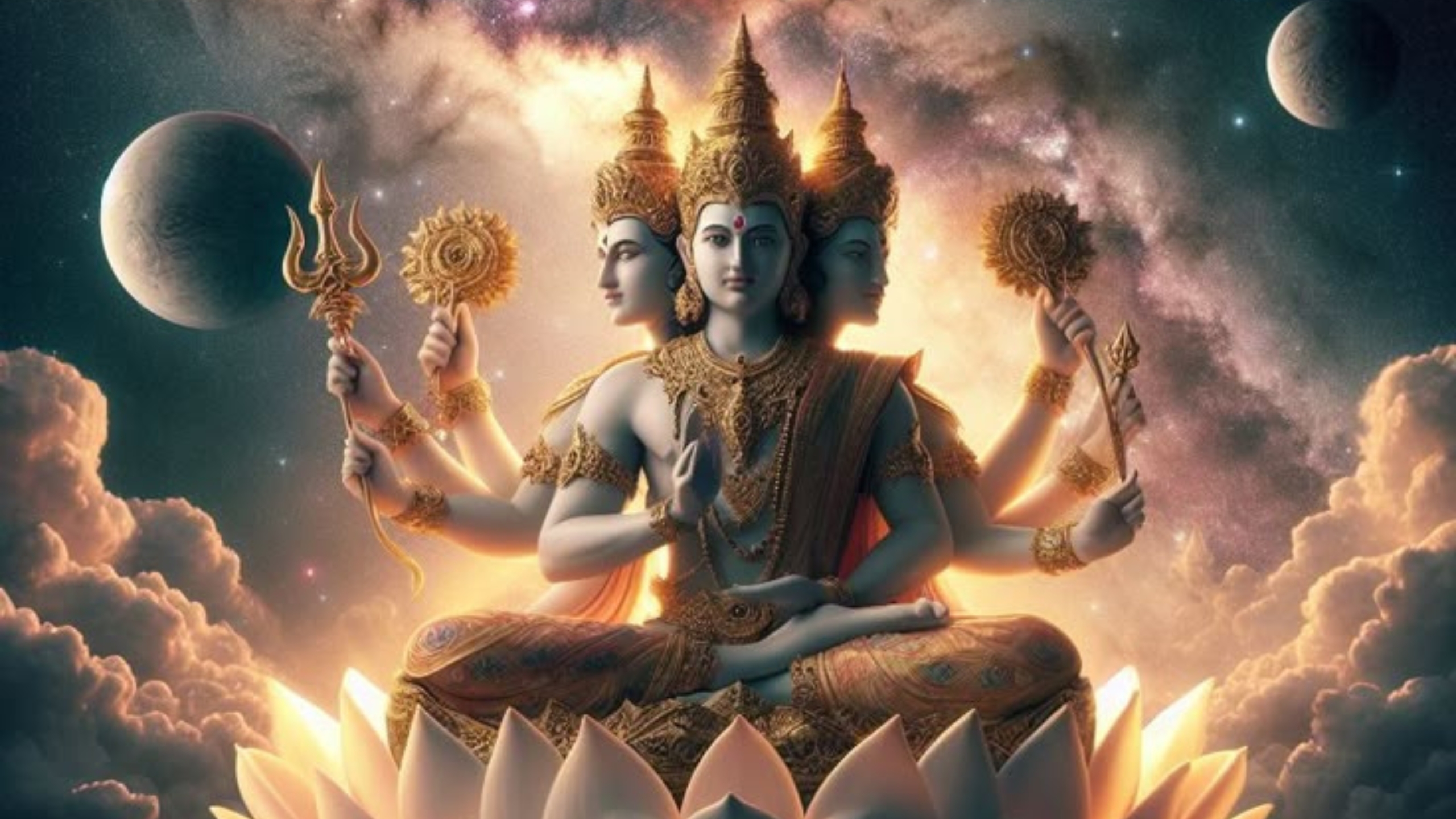
Krishna explains that material nature (prakṛti) has three basic qualities:
-
Sattva (Goodness) – purity, harmony, clarity
-
Rajas (Passion) – activity, desire, restlessness
-
Tamas (Ignorance) – inertia, confusion, inertia
These three qualities influence every aspect of human behavior, personality, and destiny.
3. How does Sattva (Goodness) show up in life?
Answer:
Sattva is the most refined of the three Gunas. Its qualities include:
✔ Peacefulness
✔ Clarity of mind
✔ Self-control
✔ Compassion
✔ Joy in simplicity
✔ Love for truth and knowledge
Sattva brings inner harmony and insight. But even Sattva can bind the soul if one becomes attached to the happiness or knowledge itself instead of seeing it as support for deeper awareness.
In modern terms:
👉 Sattva resembles mental states like mindfulness, emotional balance, and reflective maturity. Click Here For Chapter-14.
4. How does Rajas (Passion) show up in life?
Answer:
Rajas is characterized by:
✔ strong desires and cravings
✔ ambition and drive
✔ restlessness and impatience
✔ attachment to results
✔ competitive mindset
Rajas fuels activity and accomplishment, but it binds the soul through attachment to action and outcomes.
In psychological terms:
👉 Rajas correlates with stress, anxiety, comparison, and burnout — when drive becomes obsession. Click Here For Chapter-14.
5. How does Tamas (Ignorance) show up in life?
Answer:
Tamas is the heaviest quality. It shows up as:
✔ lethargy and laziness
✔ confusion and delusion
✔ ignorance and heedlessness
✔ procrastination
✔ resistance to growth
Tamas binds the soul through ignorance and stagnation.
In everyday life:
👉 Unmotivated inertia, avoidance, fear of effort, and escapism reflect Tamas.
6. How do the three Gunas shape who we are?
Answer:
Everyone has all three Gunas in different proportions. Their dominance affects:
✔ thoughts
✔ behavior
✔ emotions
✔ choices
✔ destiny
When Sattva dominates → clarity and moral conduct increase
When Rajas dominates → craving and instability flourish
When Tamas dominates → ignorance and inertia grow
This framework helps explain why:
-
some people are calm and balanced,
-
others restless and stressed,
-
yet others dull or lost. Click Here For Chapter-14.

7. How do the Gunas influence destiny?
Answer:
Krishna teaches that the dominant Guna at the time of death influences one’s next state:
✔ If Sattva prevails → soul goes to higher spiritual realms
✔ If Rajas prevails → soul is reborn among active worldly beings
✔ If Tamas prevails → soul enters darker, lower states of existence
This connects moral psychology with life patterns and consequences. Click Here For Chapter-14.
8. What is transcending the Gunas?
Answer:
Transcending the Gunas means rising above the influence of Sattva, Rajas, and Tamas —
not by suppressing them, but by not identifying with them.
Krishna explains that one who sees the play of the Gunas without being disturbed, who remains balanced in pleasure and pain, and who is established in the Self, has gone beyond the three Gunas — this person is called Guṇātīta.
In real life terms:
👉 transcending the Gunas is similar to emotional mastery and mental equanimity — observing thoughts and emotions without reacting.
9. How can one transcend the Gunas?
Answer:
Krishna points to sincere devotion (bhakti) and focus on the Self (jnana) as the path beyond the Gunas.
By fixing the mind on the Divine — unattached to worldly outcomes — one rises above the binding effects of the three modes.
This matches modern psychology’s idea of self-awareness + detachment — observing inner states without being ruled by them. Click Here For Chapter-14.
10. How does this chapter apply to modern life?
Answer:
Chapter 14 teaches practical self-awareness:
✔ Recognize when your mind is restless (Rajas)
✔ Notice when you’re overwhelmed or stuck (Tamas)
✔ Cultivate clarity and balance (Sattva)
✔ Don’t identify with changing moods or desires
✔ Respond thoughtfully, not reactively
This framework helps with:
-
emotional regulation
-
stress management
-
mindful decision–making
-
personal growth
By observing your internal states (the Gunas), you become less controlled by them and more free and aware. Click Here For Chapter-14.
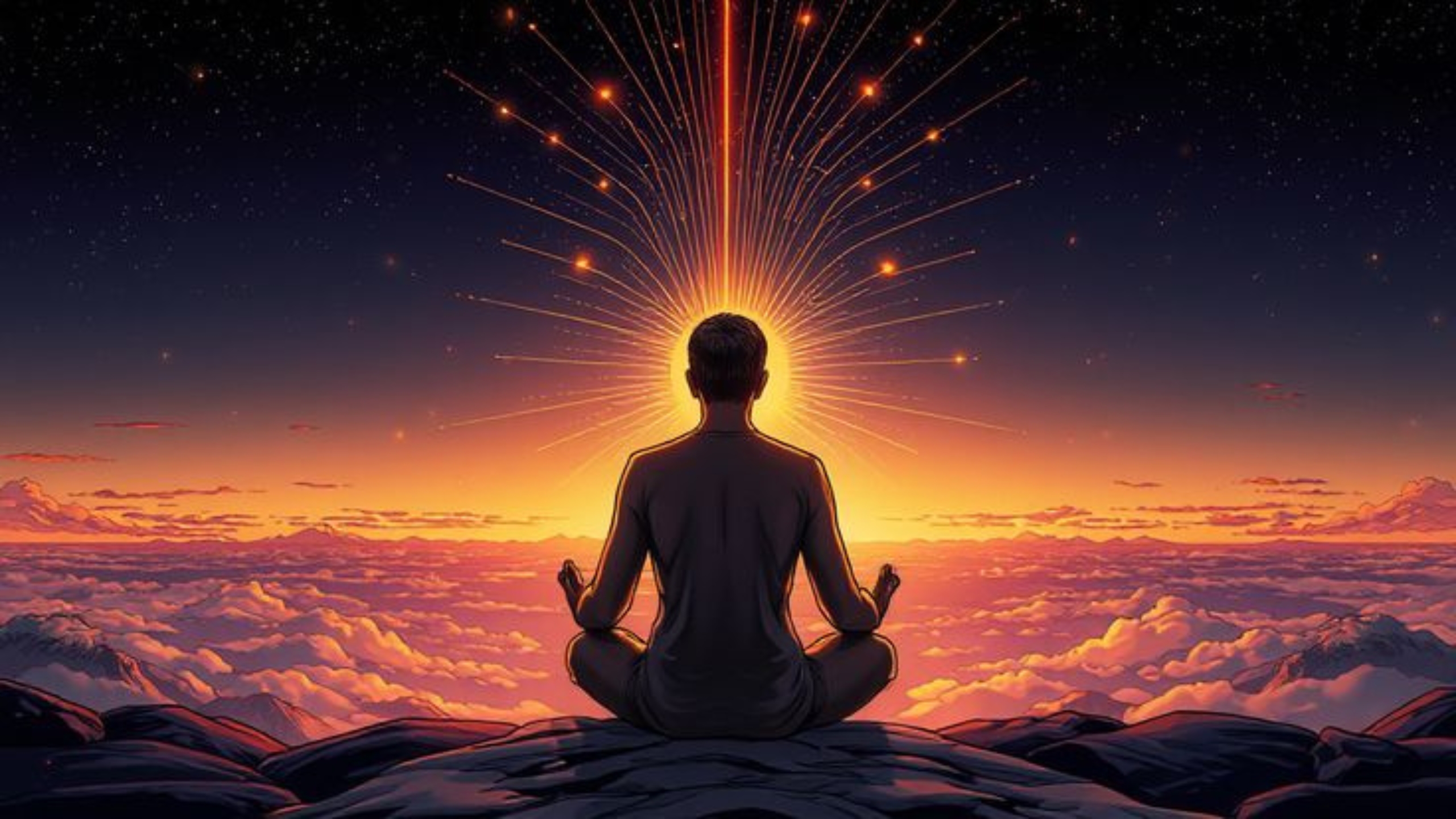
Summary: Core Message of Chapter 14
Life is shaped by three fundamental qualities of nature —
understanding and transcending them leads to inner freedom.
The Gunas shape how we think, act, and feel.
The wise see them without attachment and remain steady in all situations.
One Deep Takeaway
Not everything in you is you —
some parts are conditioned.
Learn to observe without identifying.
This shift — from being affected by Gunas to seeing their play within — is the heart of self-awareness.