Understanding Karma Theory and Jivan Mukti
Karma Theory explains that every action, thought, and intention creates an effect that shapes one’s present and future experiences. Human life is governed by three kinds of karma—Sanchita (accumulated past karma), Prarabdha (karma already begun to bear fruit), and Agami (new karma generated in the present). Liberation, or Mukti, is freedom from the binding cycle of birth and death caused by karma. Jivan Mukti refers to attaining this liberation while still living, where one transcends attachments, desires, and the sense of doership. A Jivan Mukta lives amidst the world but remains untouched by karma, like a lotus in water. This state represents the highest spiritual goal taught in Vedanta, where the self is realized as Brahman. For More Information Click Here

The Three Types of Karma Explained
1. Sanchita Karma
Sanchita Karma refers to the accumulated stock of all actions performed in countless past lives. It is like a vast storehouse containing both good and bad deeds waiting to bear fruit. Not all of it comes into effect in one lifetime, but remains dormant until conditions are right. Spiritual practice and knowledge can burn away this store, preventing it from manifesting in future births.
2. Prarabdha Karma
Prarabdha Karma is that portion of Sanchita Karma which has already begun to bear fruit and determines the circumstances of the present life. It is compared to an arrow that has already been released from the bow and must strike its target. This karma manifests as one’s birth, family, body, and life experiences. Even for a realized soul, Prarabdha continues until the current body falls.
3. Agami Karma
Agami Karma is the new karma created through actions performed in the present life. These karmas add to the storehouse and shape future births if one remains bound to ignorance. However, for a Jivan Mukta, actions are free from the sense of doership and thus do not generate fresh bondage. Agami Karma therefore applies only to those who still identify with the ego and body. For More Information Click Here
Attaining Moksha Despite Karma
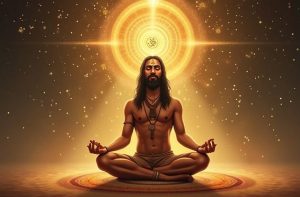
Moksha is possible even while karma exists because liberation is not about destroying all karmas but about transcending their binding power. Sanchita karma (the vast store of past deeds) is burnt away by the fire of self-knowledge (Atma Jnana), as the Upanishads declare. Agami karma (newly created) does not bind a realized person because actions done without ego or doership do not produce future results. Only Prarabdha karma (already begun) continues until the body falls, just like an arrow already shot must complete its course. Thus, a Jivan Mukta lives through Prarabdha calmly, unaffected by pleasure or pain, while remaining established in the Self. When the body drops, no karma remains, and the soul is forever free—this is Moksha.
Avoiding Bondage of Karma
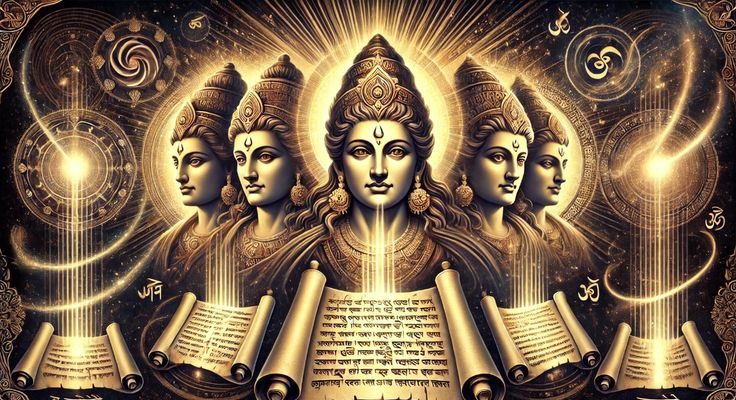
It is not possible to stop doing karma altogether, because action is inevitable as long as one lives—breathing, thinking, speaking, and moving are all forms of karma. What one can truly avoid is the bondage of karma. This happens when actions are done without attachment to results, in the spirit of offering everything to the Divine. The Bhagavad Gita calls this Karma Yoga—acting with dedication, but without ego or selfish desire. When one realizes, “I am not the doer, but only an instrument of the Supreme,” karma loses its binding effect. In this way, a seeker continues to live and act, yet remains untouched by karma, moving steadily towards Jivan Mukti. For More Information Click Here

The Significance of Understanding Karma
Understanding karma is essential because it explains why we experience joy, sorrow, success, and challenges in life. It gives clarity that nothing happens by chance—every situation arises from past actions. This knowledge encourages responsibility, as one realizes that present choices shape future experiences. It also inspires self-discipline, guiding us to perform righteous actions and avoid harmful ones. Most importantly, knowing karma helps one rise above blame and guilt, developing acceptance and inner peace. Ultimately, it points towards freedom, showing that liberation is possible when actions are done with awareness and detachment. For More Information Click Here
Conclusion
Karma Theory and Jivan Mukti together reveal the path from bondage to freedom. Karma explains the cycle of cause and effect that governs life, while Jivan Mukti shows the possibility of liberation even while living. By understanding the three types of karma and acting without attachment or ego, one can transcend bondage. True knowledge of the Self burns accumulated karma and prevents new bondage, leaving only Prarabdha to be lived out. Thus, awareness, detachment, and spiritual realization are the keys to attaining Moksha, the ultimate goal of human life.