Kena Upanishad — Bhāṣya Volume 02 – Introduction
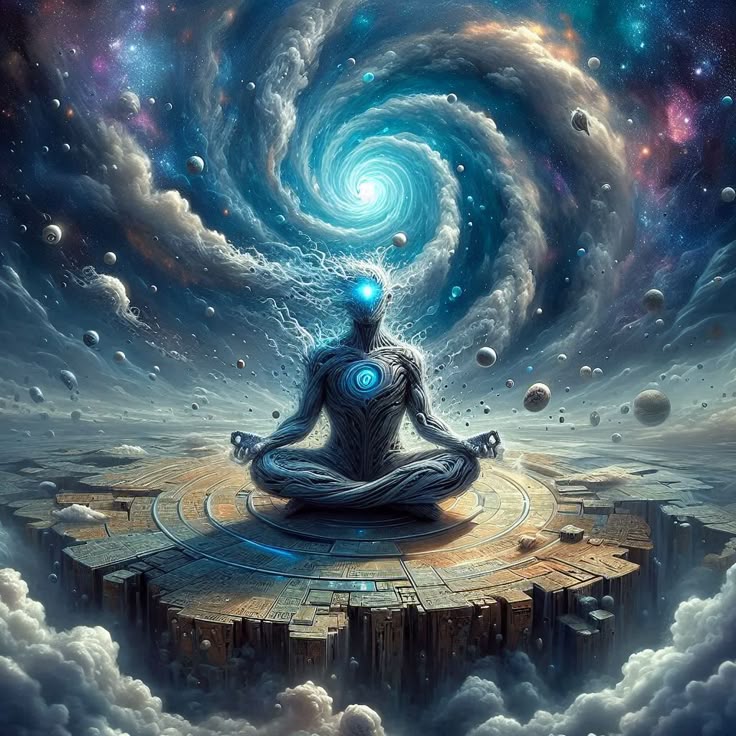
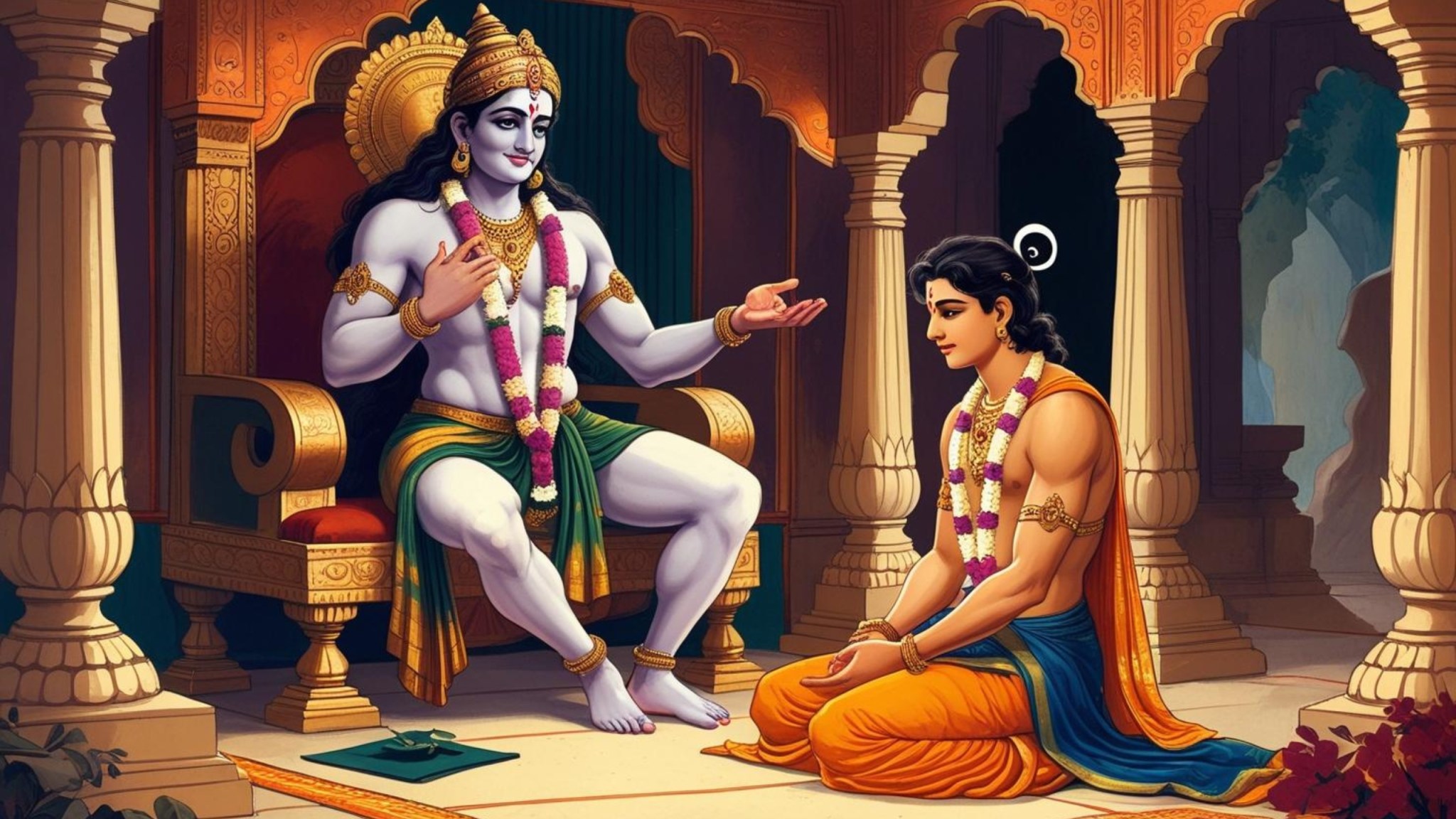
Volume 02 of the Kena Upanishad Bhāṣya continues the deep commentary on the teaching that true reality (Brahman) cannot be known by sense perception or intellect alone, but must be recognized through inner awareness. This section explains how the unseen source of all experience (Brahman) is present in every action, every word, and even in the intelligence that seems to think and perceive. The commentary shows that knowing Brahman transforms the seeker’s worldview — from identifying with thoughts and objects to recognizing the unchanging consciousness (Ātman) within. Click Here To Access more other text.

Clear Question & Answer Format (10 Q&A)
What is the central theme of Kena Upanishad Bhāṣya Volume 02?
Answer:
It explains how Brahman — the supreme unseen reality — is the cause behind all experience, thought, and perception, and how knowing this truth removes ignorance and illusion.
👉 Life Connection:
Instead of believing “I am only my thoughts or emotions,” this teaching invites you to see that you are the one who watches thoughts and emotions — leading to inner confidence and peace. Click Here To Access.
How does the Bhāṣya explain the relationship between the mind and Brahman?
Answer:
The mind is an instrument that functions because of Brahman. Brahman is the source behind the capacity of the mind to think — but the mind itself cannot fully grasp Brahman.
👉 Life Connection:
This teaches humility and reduces overconfidence in the mind or intellectual pride. Click Here To Access.
Why can Brahman not be “objectively known”?
Answer:
Because Brahman is not an object among other objects — rather, it is the subjective awareness that makes all objects and the mind possible.
👉 Life Connection:
Seeking happiness in objects (money, status, relationships) always brings instability. Recognizing awareness as the foundation reduces attachment and anxiety.
What role does discrimination (viveka) play according to this Bhāṣya?
Answer:
Discrimination helps distinguish between what is temporary (body, mind, objects) and what is eternal (pure consciousness). This discernment opens the door to realizing Brahman.
👉 Life Connection:
Instead of reacting to every impulse or emotion, discrimination builds clarity and emotional stability. Click Here To Access.
How does Volume 02 describe ignorance?
Answer:
Ignorance is the false belief that the mind, senses, or objects are the ultimate reality rather than recognizing the underlying awareness behind them.
👉 Life Connection:
This is similar to thinking “I am only my job” or “I am only my emotions,” which causes stress, fear, and insecurity.
What role does meditation play according to this section?
Answer:
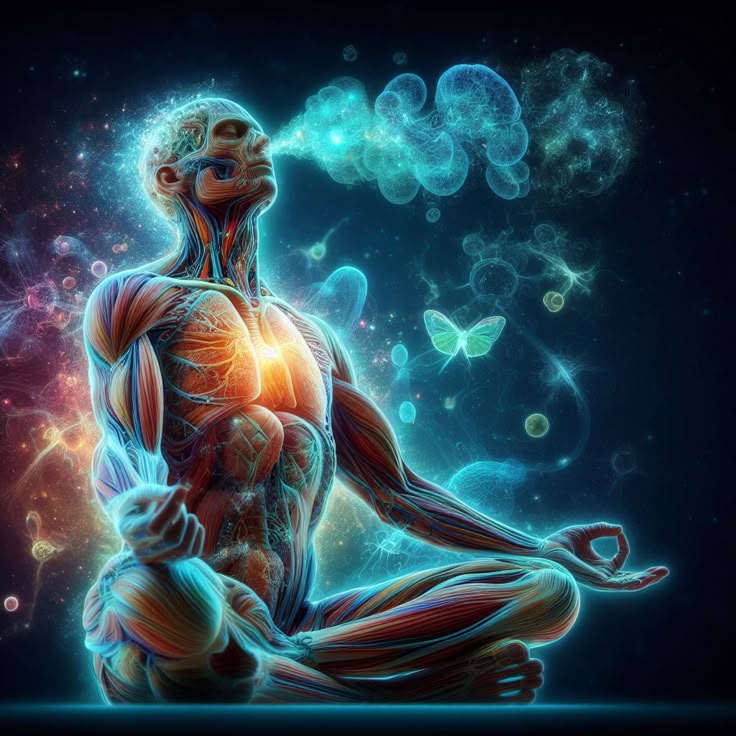
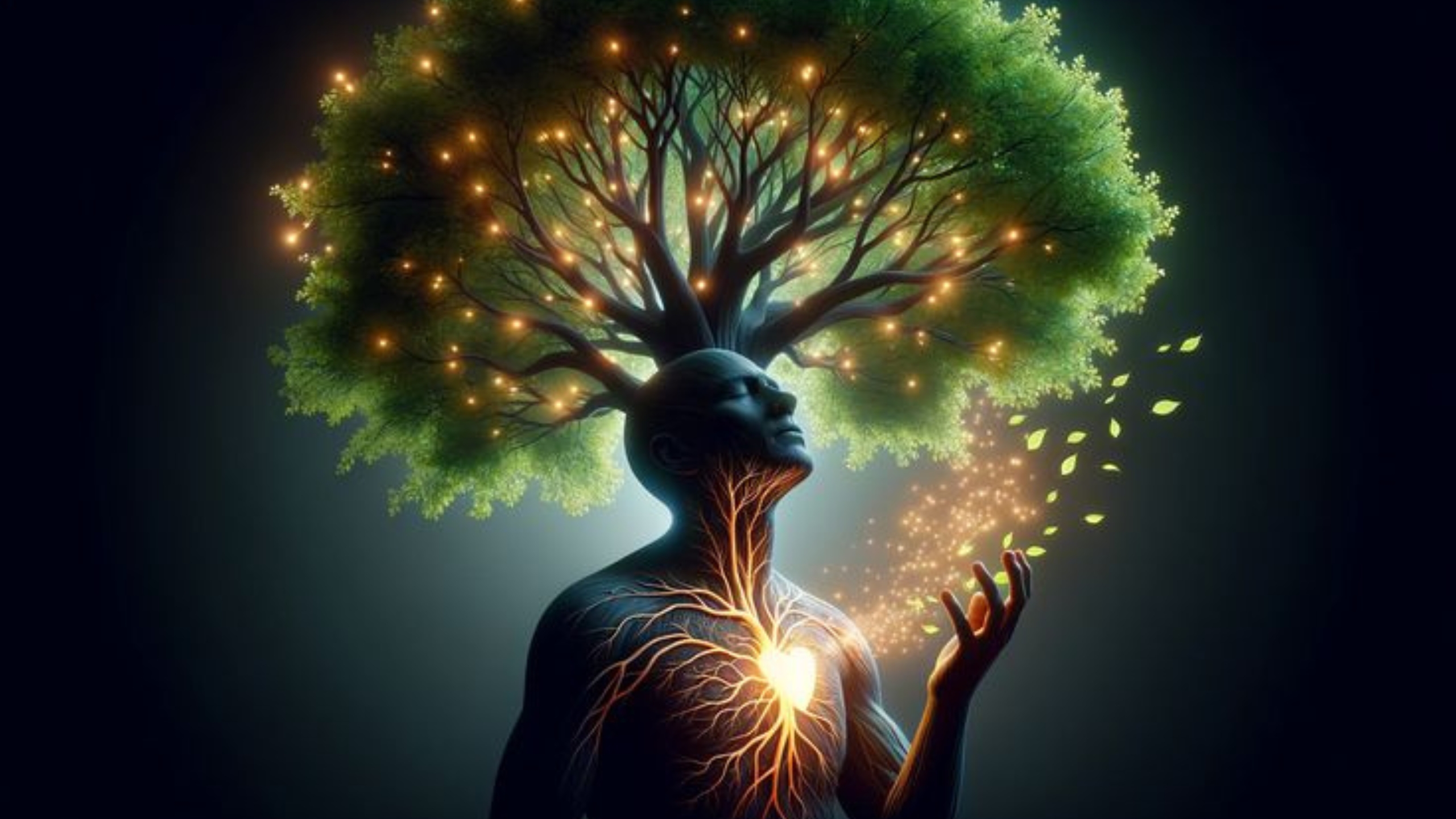
Meditation allows the seeker to withdraw identification from changing experiences and turn attention toward the unchanging awareness within, which is Brahman.
👉 Life Connection:
Meditation brings calmness, emotional balance, focus, and less reactivity — especially in periods of stress or pressure. Click Here To Access.
How does the Bhāṣya explain the self (Ātman)?
Answer:
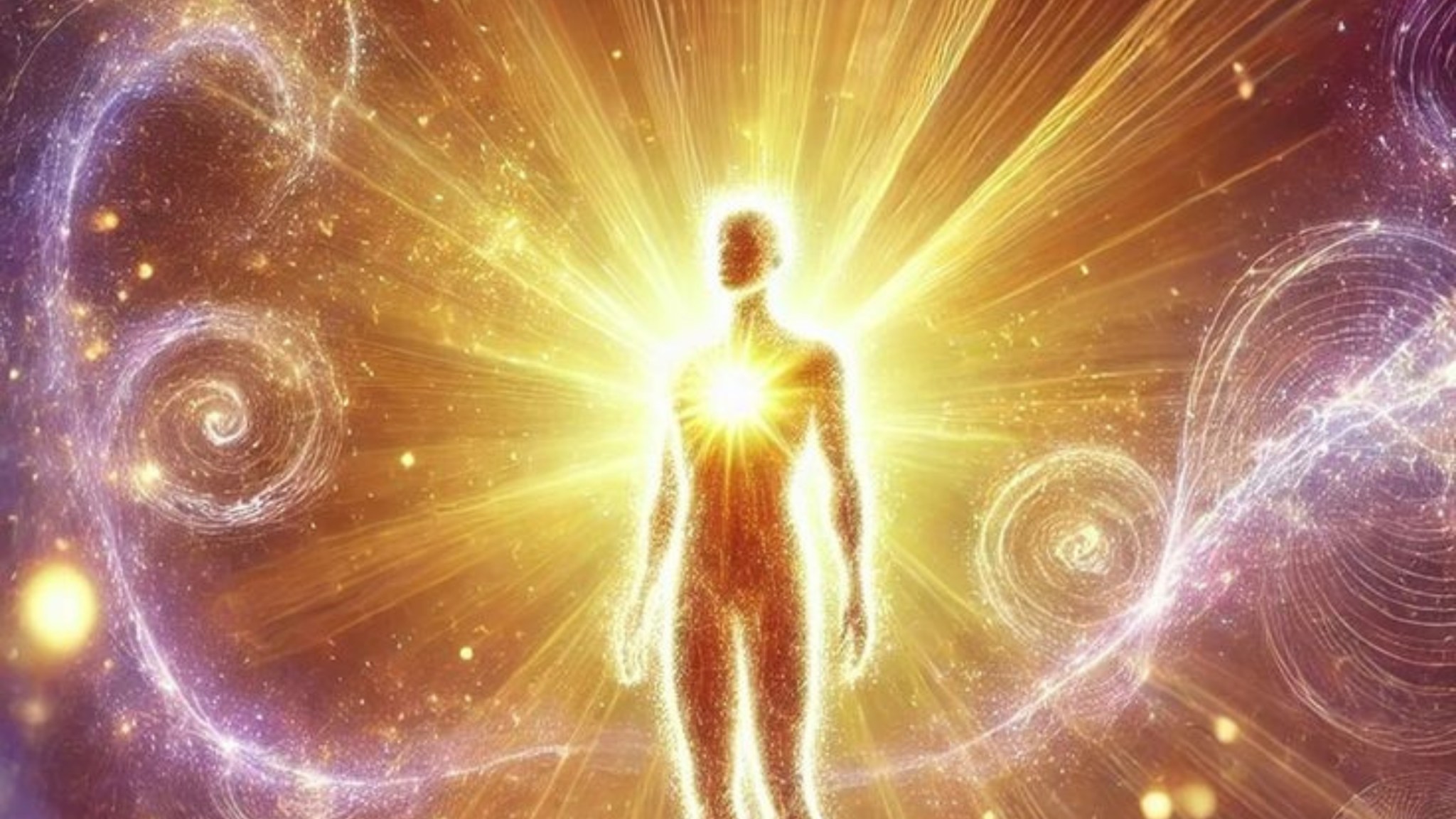
The self (Ātman) is the background of all experience — the witness behind thoughts, sensations, and perceptions.
👉 Life Connection:
When you see yourself as the observer rather than the reactive thinker, you feel less controlled by fear, desire, or stress.
What does the Bhāṣya say about the senses and perception?
Answer:
The senses and perception are limited and cannot discover the eternal reality because they operate within the field of objects that are themselves perceptions.
👉 Life Connection:
Because senses are limited, happiness found through them is temporary — learning this reduces craving and emotional swings. Click Here To Access.
How does Self‑knowledge liberate a person?
Answer:
Self‑knowledge removes confusion about identity, dissolves fear of death, and reveals the Self as unchanging awareness, granting inner freedom.
👉 Life Connection:
Instead of fear and insecurity, one experiences clarity, courage, and emotional stability.

Why is Kena Upanishad Bhāṣya Volume 02 relevant today?
Answer:
It addresses confusion about identity, fear, emotional instability, and the limits of sensory perception — all common struggles in modern life — by pointing toward inner awareness as the source of peace. Click Here To Access.
👉 Life Connection:
Instead of looking for happiness in external achievements or objects, this teaching suggests finding clarity and peace by recognizing your own awareness as primary.
Kena Upanishad – Final Conclusion (Bhāṣya Volume 02)
Volume 02 of the Kena Upanishad Bhāṣya teaches that the ultimate reality (Brahman) is not something out there to be chased or grasped through senses or intellect — it is the very awareness that enables all experience. The mind and senses are instruments; Brahman is the subject that makes perception possible. Ignorance is confusing the instruments with the source. Through discrimination, meditation, and inner reflection, seekers learn to turn inward and recognize the unchanging awareness behind all changing experiences, leading to deep inner peace, emotional balance, clarity, and freedom from fear. In a world full of distraction, competition, identity confusion, and emotional turmoil, this teaching provides a pathway to understanding life from its true source — your own awareness — and thus living with confidence, compassion, balance, and lasting peace.