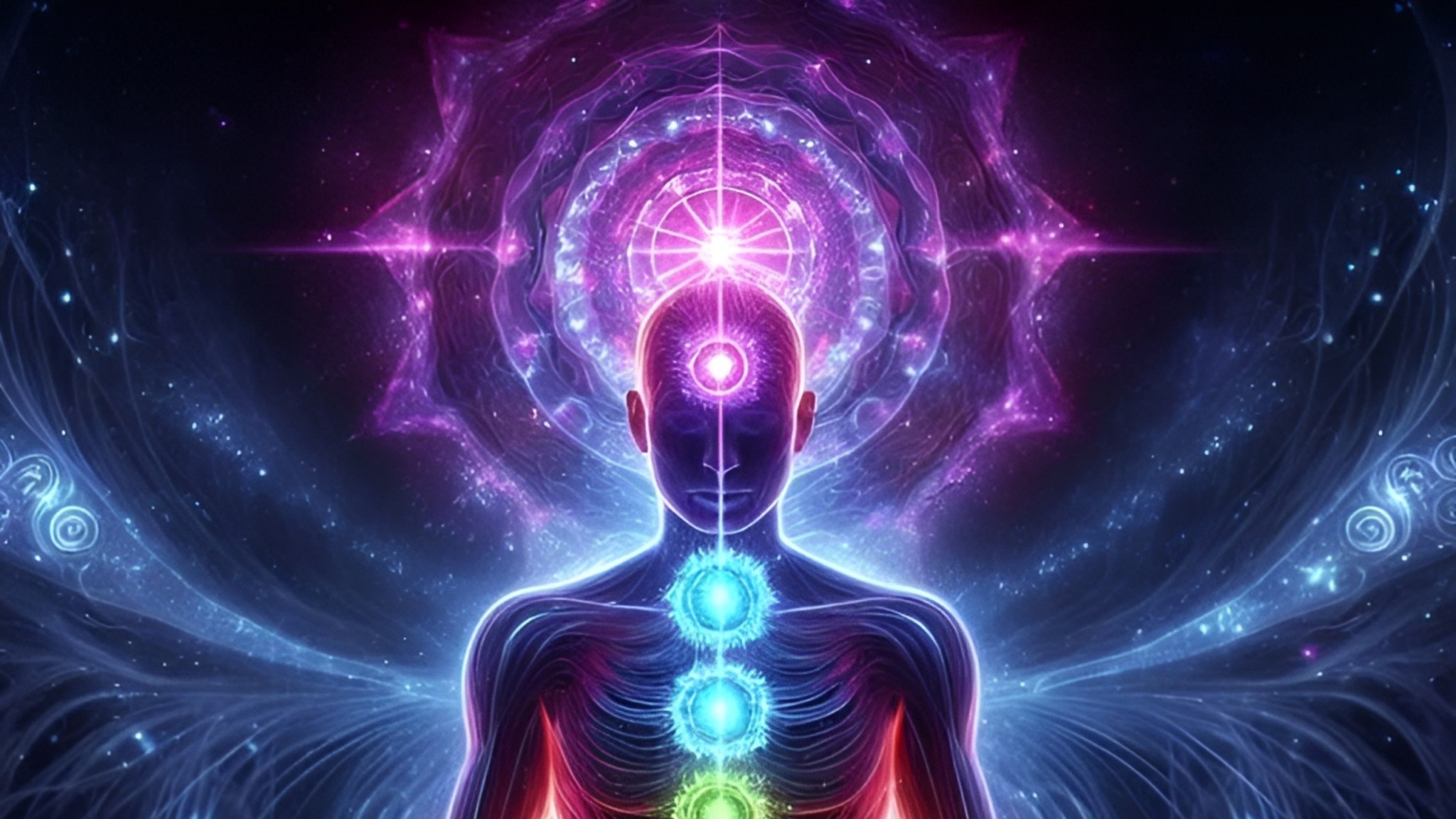
The Limitations of Knowledge: Insights from Kena Upanishad
In Kena Upanishad – Volume 3, Chapter 2, Verses 1–3, the text reveals how the gods, after winning a victory, mistakenly attribute their success to their own power rather than to Brahman. When Brahman appears before them to correct this misunderstanding, the gods fail to recognize Him, highlighting their ignorance. The gods then turn to Agni, the god of fire, to understand the nature of this mysterious being. However, Agni, representing knowledge and power, is also unable to comprehend Brahman. Adi Shankaracharya’s commentary emphasizes that even divine beings cannot know Brahman through intellect or sensory experience; true realization of Brahman comes only through direct, intuitive experience of the Self. These verses thus reveal the limitations of sensory perception and intellect in understanding the ultimate reality, Brahman. For More Information Click Here
Kena Upanishad – Volume 3: Chapter 2, Verses 1–3
Verse 1
Text:
Brahma ha devebhyo vijigye, tasya ha Brahmaṇa vijaye devā amahīyanta, te ha uchuḥ — “ayam Atmā mama vijaya iti”.
Translation:
Brahman won a victory for the gods. Yet, the gods thought, “This victory is ours, this glory is ours.”
Shankara Bhashya Summary:
Shankara explains that Brahman alone is the true victor behind all successes, including those of the gods. However, the devas (gods), out of ignorance and ego, mistakenly believed that the victory was theirs. This sets the stage for Brahman’s revelation to correct this misunderstanding. The purpose of the next few verses is to illustrate the ignorance of even the gods when they forget the Self as the basis of all power. For More Information Click Here
Verse 2
Text:
Tasya teṣām vijaye mahiyamānānām te ha Brahma vijñāya naimatam vijānātīti.
Translation:
Perceiving their pride over the victory, Brahman appeared before them. But they did not recognize Him.
Shankara Bhashya Summary:
Brahman, wishing to curb the ego of the gods and enlighten them, appears in a mysterious form. However, they fail to recognize Him, which emphasizes that even divine beings are limited in their knowledge without Self-realization. Shankara uses this to underline the central teaching of Vedanta — Brahman is beyond the senses and mind, and can only be known through direct realization, not through mere power or intellect.
Verse 3
Text:
Tey agnim abruvan, “jāna hīmaṁ kimetad yakṣam iti” | tatheti.
Translation:
They said to Agni (the fire god), “O Jātaveda (Knower of all things born), find out what this wondrous being is.” He said, “Yes.”
Shankara Bhashya Summary:
Here, the gods delegate Agni to approach the mysterious being (Yaksha). Agni represents power and knowledge, yet even he will be shown to be ignorant of Brahman’s true nature. Shankara comments that this story form is symbolic — each deity represents a faculty (like fire, wind, etc.), but none of them can know Brahman on their own. This underscores that Brahman is not an object of sensory or functional knowledge, but of pure intuitive realization.
Shankara’s Insights : The Gods’ Ignorance and Brahman’s True Nature
In Kena Upanishad Chapter 2, Verses 1 to 3, Adi Shankaracharya highlights the ignorance of the gods despite their divine powers. The gods, having won a victory, mistakenly attribute their success to their own might rather than to Brahman, the true source of all strength. When Brahman appears before them to correct their misunderstanding, they fail to recognize Him, symbolizing the limitations of even divine beings in perceiving the supreme reality. Through the delegation of Agni, the fire god, to understand the mysterious being, Shankara emphasizes that Brahman is beyond sensory perception and cannot be comprehended by ordinary means. The gods’ inability to recognize Brahman illustrates the truth that only through direct realization, not through intellectual power, can one grasp the nature of the Self. Shankara uses this story to teach that Brahman transcends the gods, and spiritual insight arises from inner experience, not external knowledge or strength. For More Information Click Here
Conclusion
In conclusion, Kena Upanishad Chapter 2, Verses 1 to 3, teaches that even the gods, despite their immense powers, are unaware of the true source of their strength — Brahman. Adi Shankaracharya’s commentary underscores that knowledge of Brahman is not accessible through intellectual prowess or external power. The failure of the gods to recognize Brahman reveals the limitations of sensory perception and highlights that true wisdom comes from direct spiritual realization. The verses stress that humility and inner awareness are essential in understanding the Supreme. Ultimately, the message is clear: Brahman is the unifying essence beyond all forms and deities, accessible only through profound self-awareness.
Join Our Classes:
The Upanishads are more than just ancient texts—they are timeless guides to living with clarity, balance, and inner peace. Our classes make their profound wisdom easy to understand and apply in everyday life. Join us to explore these teachings and discover a new way of seeing yourself and the world!