Essence of the Atmabodha Upanishad: Self-Knowledge as the Key to Liberation
The Atmabodha Upanishad is a concise yet insightful Vedantic text that focuses on the direct realization of the Self (Atman) as the path to liberation. It teaches that the Self is pure consciousness, distinct from the body, senses, and mind, and is eternally free and blissful. True knowledge arises when one discriminates between the real (Self) and the unreal (world) through steady meditation. Rituals and scriptures are helpful but secondary to direct self-inquiry and awareness. The text underscores non-duality (Advaita Vedanta), proclaiming that Atman and Brahman are one. Realizing this truth leads to freedom from bondage and the experience of absolute peace. For More Information Click Here
What is the Atmabodha Upanishad and Its Structure
The Atmabodha Upanishad is one of the minor Upanishads associated with the Rig Veda, and it belongs to the group of Yoga Upanishads, which emphasize the inner realization of the Self through yogic and contemplative practices.
The word Atmabodha means “Self-Knowledge” (Atma = Self, Bodha = Knowledge). True to its name, the Upanishad teaches that direct knowledge of the Atman (Self) is the only means to attain liberation (moksha). It is rooted in Advaita Vedanta, affirming that the individual self and Brahman are one, and that liberation comes not through rituals but through inner realization and meditative wisdom.
Structure:
- The Atmabodha Upanishad has 2 chapter.
- It contains 39 verses in total.
The Upanishad serves as a practical guide for discriminating between the Self and the non-Self, emphasizing inner detachment, self-inquiry, and meditative absorption as the direct means to realize the eternal, blissful nature of the Self.
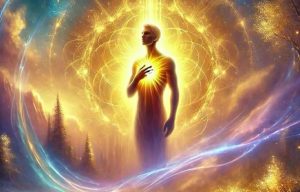
Core Teachings of the Atmabodha Upanishad: Realization through Self-Knowledge
The Atmabodha Upanishad centers around the realization of the Self (Atman) as the only path to liberation (moksha). Its core teaching is rooted in Advaita Vedanta, affirming that the Self and Brahman are one, and that freedom is attained through direct knowledge, not rituals or external practices. For More Information Click Here
Here are its key teachings:
- Self is Pure Consciousness:
The Upanishad teaches that the Atman is eternal, formless, and untouched by birth, death, or actions. It is the witnessing awareness beyond body, mind, and intellect. - Discrimination (Viveka):
Liberation arises from discriminating between the real (Self) and the unreal (body, mind, world). This process leads to detachment and clarity. - Meditation and Self-Inquiry:
The mind must be purified through concentration, contemplation, and renunciation, enabling it to realize the Self within. - Transcending Rituals:
While scriptures and rituals serve as stepping stones, true liberation lies in direct, inner experience of the Self—not in external actions. - Non-Duality (Advaita):
The Upanishad proclaims that Atman is non-dual Brahman, and realization of this truth dissolves the illusion of separateness. - Freedom from Bondage:
When the Self is known, the cycle of birth and death ends, and the seeker abides in blissful awareness and absolute peace.
In summary, the Atmabodha Upanishad is a spiritual manual urging seekers to turn inward, know the Self, and be free, emphasizing that knowledge—not action—is the key to liberation.
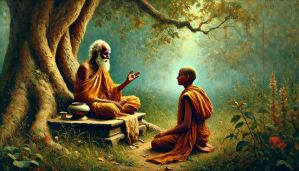
Authorship and Vision Behind the Atmabodha Upanishad
The Atmabodha Upanishad, like most Upanishads, is considered apauruṣeya—not composed by any individual but revealed to ancient seers (ṛṣis) through deep meditative insight. It is part of the Yoga Upanishad tradition and is affiliated with the Rig Veda. Therefore, it does not have a named human author.
Philosophical Voice Behind the Text:
While the author remains unknown, the teachings reflect the voice of a fully realized sage, deeply rooted in Advaita Vedanta (non-dualism). The philosophical perspective within the Upanishad aligns with that of great Advaitic masters and Vedic sages, and may be summarized as follows:
- Self-Knowledge is Liberation:
The Upanishad strongly emphasizes that only knowledge of the Atman (Self) leads to moksha (liberation)—not rituals, pilgrimages, or scriptural study alone. - Witness Consciousness:
The Self is described as pure awareness, untouched by body, mind, or sense activity. Realizing this Self as the eternal witness is the goal of spiritual practice. - Rejection of Duality:
The world of forms and names is seen as illusory (maya). The true essence of all beings is non-dual Brahman, and seeing this unity is the end of ignorance. - Path of Discrimination and Detachment:
The text encourages viveka (discrimination) between real and unreal, and vairagya (dispassion) toward worldly attachments—essential for Self-realization. - Inner Experience Over Outer Ritual:
While acknowledging the value of the Vedas and ethical living, the Upanishad insists that liberation comes only through direct, inner realization.
Although we do not know the personal identity of the sage behind the Atmabodha Upanishad, the text clearly reflects the realization of a seer who had directly experienced the truth of non-duality. It serves as a clear and practical guide to seekers, echoing the deep conviction that knowledge of the Self alone is the supreme purifier and the path to freedom.
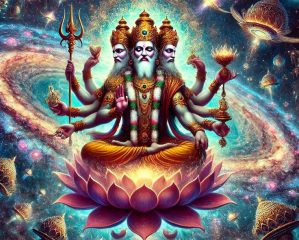
Importance of the Atmabodha Upanishad: Pathway to Liberation through Self-Knowledge
The Atmabodha Upanishad holds great significance in the realm of spiritual teachings, particularly within the Advaita Vedanta tradition. Its profound insights offer seekers a direct and practical path to liberation through Self-knowledge.
Here’s why it is considered important:
- Clarity in Self-Realization:
It offers a clear and structured understanding of what the Self is and how to realize it, making it accessible to sincere seekers. - Advaita Foundation:
The Upanishad emphasizes non-duality, stating that the Self (Atman) and the Absolute (Brahman) are one, helping to dispel ignorance and the illusion of separateness. - Focus on Direct Experience:
Rather than relying on rituals or external worship, it encourages inward reflection and meditation, empowering the seeker to directly know the truth. - Discrimination and Detachment:
It teaches viveka (discrimination) and vairagya (detachment) as essential tools, guiding aspirants to renounce the unreal and focus on the eternal. - Spiritual Simplicity and Depth:
Despite its brevity, the text contains deep wisdom that summarizes the essence of many major Upanishads in a concise and practical manner. - Timeless Relevance:
Its teachings on inner awareness, stillness, and self-inquiry remain profoundly relevant to modern spiritual practitioners seeking peace and liberation.
In essence, the Atmabodha Upanishad is a luminous scripture that distills the essence of Self-knowledge as the highest path, making it an invaluable guide for those walking the path of truth and inner freedom. For More Information Click Here
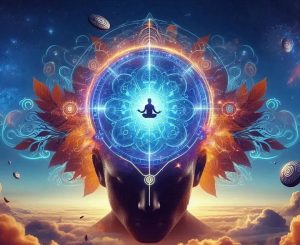
Conclusion
The Atmabodha Upanishad is a profound spiritual guide that illuminates the path to liberation through Self-knowledge. Rooted in Advaita Vedanta, it teaches that the true Self is pure consciousness, ever free and blissful, and that realization of this Self is the only way to transcend suffering and attain lasting peace. The Upanishad emphasizes discrimination, detachment, and meditation over rituals, making its teachings timeless and universally relevant. For any sincere seeker, it serves as a clear and direct pointer to the truth of oneness and inner freedom.
Join Our Classes:
The Upanishads are more than just ancient texts—they are timeless guides to living with clarity, balance, and inner peace. Our classes make their profound wisdom easy to understand and apply in everyday life. Join us to explore these teachings and discover a new way of seeing yourself and the world!