Introduction
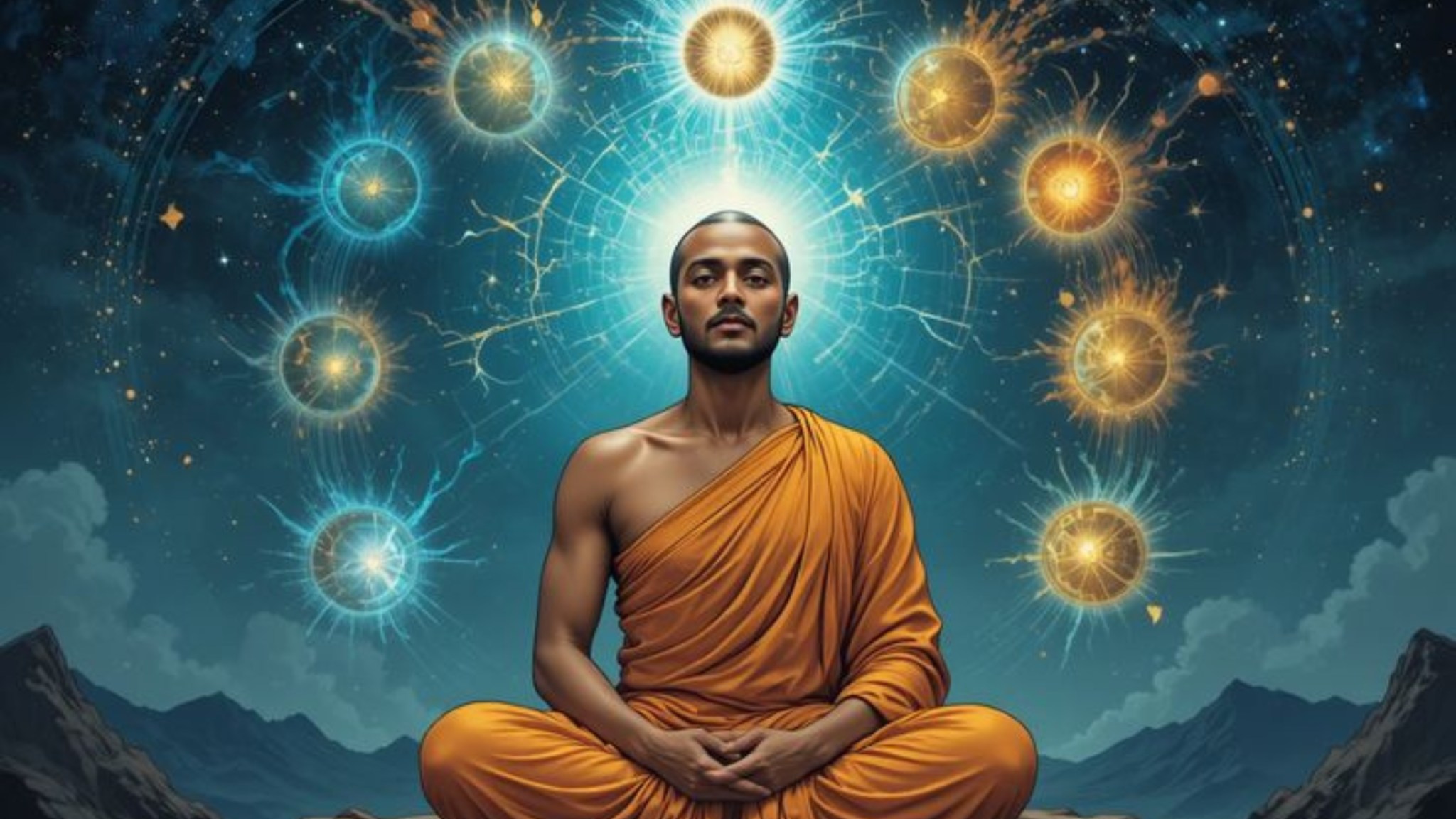
This chapter serves as the culmination of the first five chapters of Panchadasi, collectively known as the Viveka Panchakam, which focus on various forms of discriminative analysis. Chapter 5, Mahavakya Viveka Prakaranam, explores the Mahavakyas—the “Great Sayings” of the Upanishads that encapsulate the essential message of Advaita Vedanta. These Mahavakyas point to the fundamental truth of the identity between Jivatma (individual self) and Paramatma (supreme self).
The Four Principal Mahavakyas Discussed:
- Prajnanam Brahma (Consciousness is Brahman) – Aitareya Upanishad (Rig Veda)
- Aham Brahmasmi (I am Brahman) – Brihadaranyaka Upanishad (Yajur Veda)
- Tat Tvam Asi (That Thou Art) – Chandogya Upanishad (Sama Veda)
- Ayam Atma Brahma (This Self is Brahman) – Mandukya Upanishad (Atharva Veda)
Each Mahavakya is carefully analyzed across pairs of verses, drawing out its implications for understanding the non-dual nature of reality. Click Here To Access more other text.

Themes of Chapter 5
- Unity of Jivatma and Paramatma
- The chapter underscores the non-duality (Advaita) of existence, stating that the apparent distinction between the individual self and the supreme self is due to ignorance (avidya).
- Analysis of Mahavakyas
- Each Mahavakya is dissected and explained through reason and scriptural citation. The phrases, though different in form, all point to one reality—the oneness of self and Brahman.
- Role of Consciousness (Chaitanya)
- Consciousness is presented as the only unchanging substratum behind all transient phenomena. It is self-evident, independent, and the only reality.
- Adhyaropa-Apavada Nyaya (Superimposition and Negation)
- This Vedantic method is used to gradually lead the seeker from the false identification with the body-mind complex to the correct understanding of oneself as Brahman.
- Direct Experience Over Mere Learning
- The culmination of scriptural study is not just intellectual conviction, but the direct realization of the truth. This alone results in moksha (liberation). Click view PDF.
Why Study Chapter 5?
- Clarifies Core Teachings of Advaita: It removes confusion about the nature of self, world, and Brahman.
- Encourages Self-Inquiry: The Mahavakyas act as powerful aids in self-inquiry (atma vichara).
- Establishes a Meditative Foundation: Understanding fosters a reflective mind conducive to nididhyasana (deep meditation).
- Resolves Existential Doubts: Questions on identity, purpose, and reality are addressed and resolved.
How Many Times to Study?
Due to its depth and transformative potential, this chapter merits repeated and meditative study. Under the guidance of a qualified teacher, its meanings become clearer and internalization is deepened. Each reading reveals new dimensions of insight. Click view PDF.
Conclusion
Chapter 5 of Panchadasi stands as a lucid, philosophical, and practical guide to Advaita Vedanta. It systematically decodes the meaning of the Mahavakyas and shows how they all point to non-dual Consciousness as the ultimate reality. The teachings move from shravanam (listening) to mananam (reflection) and culminate in nididhyasanam (meditation), leading to Self-realization. The knowledge presented is not just conceptual but meant to be lived and realized, culminating in liberation (moksha).