Introduction
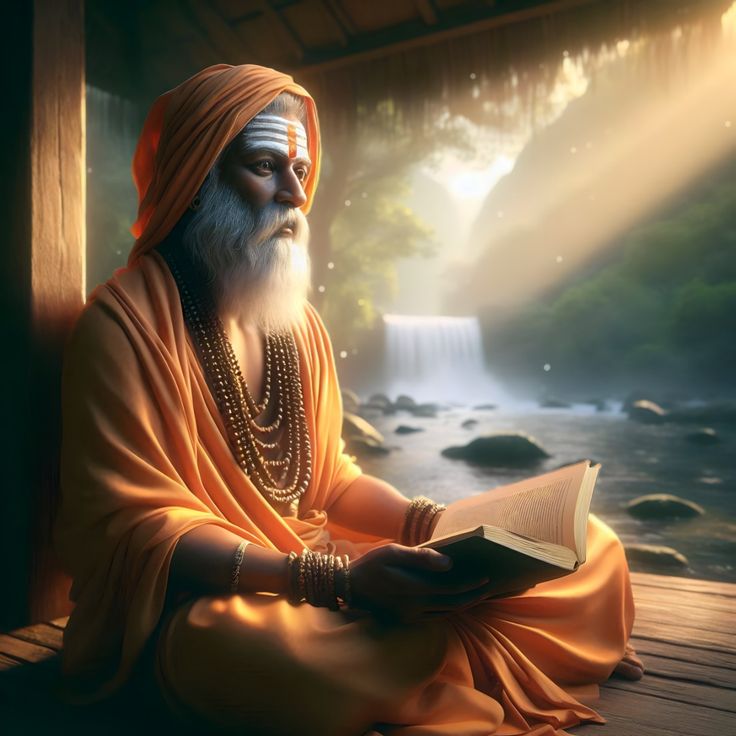
Vedanta Dindimā, meaning “Drumbeat of Vedanta,” boldly proclaims the non-dual truth of Advaita Vedanta. Authored by Jagadguru Shankaracharya Swami Bharati Tirtha Mahaswamiji, this text is a radiant echo of Adi Shankaracharya’s vision, presented in a contemplative, poetic style. Unlike analytical texts such as the Brahma Sutra Bhāṣya, Vedanta Dindimā is not argumentative but meditative. It is aimed at seekers who have already completed śravaṇa (listening) and manana (reflection), and are now engaged in nididhyāsana (deep meditation). Each verse acts as a pointer to pure Self-knowledge, designed to dissolve lingering doubts and stabilize the seeker in abidance Click Here To Access more other text.

Why Study Vedanta Dindimā?
- Concise Yet Profound: 94 contemplative verses, each a distilled teaching.
- From Intellect to Realization: Facilitates the transition from conceptual understanding to direct experience.
- Ideal for Daily Reflection: Verses serve as potent contemplative anchors.
- Not Just Theory—Embodiment: Emphasizes realization over scholarship.
- Reveals Ever-Present Freedom: Undermines the illusion of spiritual becoming.
- Supports Advanced Practice: Especially relevant for the stage of nididhyāsana.
How Many Times Should One Study It?
There is no set limit. The text should become a lifelong companion.
- First Reading: Go through the text with a teacher or commentary.
- Second Reading: Reflect deeply on each verse. Meditate on key teachings.
- Daily Practice: Contemplate 1–3 verses each day.
- Ongoing Reflection: Revisit regularly, as with the Gītā or Upadeśa Sāhasrī Click view PDF.

Selected Verses & Their Meanings
Verse 1
śarīrūpagamyamātmā kevalamīyaḥ ekaṁ na jānanti
Meaning: The Self cannot be grasped as an object. It is the changeless, solitary witness.
Verse 2
satyasya rūpam advayaṁ nityaṁ jñānam anāmayam
Meaning: The true form of Reality is non-dual, eternal, knowledge, and free from all defects.
Verse 3
jñānena kevalenātmanaḥ muktiḥ na kāryā na prayojanyā
Meaning: Liberation is through pure knowledge alone—not through action.
Verse 4
mokṣo na sādhanasādhyatvāt siddhatvāt nityatātmanaḥ
Meaning: Mokṣa is not attained through means; it is already accomplished, as the Self is ever free.
Verse 5
saṁsāro ‘jñānato nānyaḥ jñānenaiva nivartyate
Meaning: Bondage arises due to ignorance alone and can be removed only through knowledge.
Verse 6
karmādyanārambhataḥ puṁsaḥ jñānāt saṁsāra-nāśanam
Meaning: For one who does not begin any action, knowledge alone destroys saṁsāra.
Verse 10
jñānānyena kā dṛśyatā na kāryaḥ mokṣaṇe kā cintā
Meaning: What remains to be seen or done? Mokṣa is not an action, but knowledge.
Verse 15
jñānān mokṣaḥ svabhāvena svātmaniṣṭhā na saṁśayaḥ
Meaning: Liberation is by nature due to knowledge; there is no doubt about the need for Self-abidance.
Verse 20
na jñānāt kiñcid uttaraṁ mokṣasiddhau kadācana
Meaning: There is nothing superior to knowledge for the attainment of mokṣa—ever.
Verse 33
brahma-jñānātma yaḥ jānāti saḥ eva sat-cit brahma-jñānī
Meaning: Only the one who realizes the Self as Brahman is the true knower Click view PDF.
Application & Practice Tips
- Begin or end your day by contemplating one verse.
- Record and play verses in your own voice for deeper absorption.
- Integrate verses into meditation or japa routines.
- Study in tandem with Drg Drsya Viveka and Atma Bodha.
- Write reflections or short commentaries.
Benefits of Studying Vedanta Dindimā
- Deepens Self-Realization
- Stabilizes Non-Dual Knowledge
- Cultivates Inner Peace
- Enhances Sādhana Practice
- Boosts Clarity & Confidence
- Cuts Through Mental Obstacles
- Supports Nididhyāsana Abidance Click view PDF.
Appendices
Glossary of Key Terms:
- Jñāna: Knowledge
- Mokṣa: Liberation
- Vairāgya: Dispassion
- Sākṣī: Witness Consciousness
- Mithyā: Apparent Reality
- Nitya: Eternal
Comparison With Other Texts:
- Vedanta Dindimā: Declarative, contemplative, for nididhyāsana
- Atma Bodha: Didactic, foundational, uses analogies
- Drg Drsya Viveka: Analytical, discrimination-based Click view PDF.
Conclusion
Vedanta Dindimā is a final proclamation—a spiritual declaration that resonates the truth of non-duality. It bridges the gap between knowledge and being, between hearing and abiding. For the sincere seeker, it acts as a mirror reflecting one’s true Self as Brahman. Regular study dissolves doubt, strengthens clarity, and leads to abiding peace in one’s own Self.