What is Nirvana Shatkam?
Nirvana Shatkam, also known as Atma Shatkam, is a set of six profound verses composed by Adi Shankaracharya, the great Advaita Vedanta philosopher. The word Nirvana means liberation or freedom, and Shatkam means six, indicating “six verses of liberation.”
These verses were composed when Adi Shankara, at a very young age, was asked by his Guru Govinda Bhagavatpada to introduce himself. Instead of giving a personal or worldly identity, Shankara expressed the highest truth of the Self through these six stanzas. For More Information Click Here
Contents of Nirvana Shatkam
-
Each of the six verses uses the method of “Neti-Neti” (not this, not this), negating everything that is not the Self—such as body, mind, senses, ego, emotions, duties, and relationships.
-
After denying all limited identifications, the verses affirm the true nature of the Self as:
-
Chidananda Rupaḥ – Pure Consciousness and Bliss.
-
Shivoham – “I am Shiva,” symbolizing the infinite, eternal, and auspicious reality.
-
-
The text systematically dismantles ignorance and guides the seeker to realize their eternal, unchanging essence, free from bondage, dualities, and worldly limitations.
In essence, Nirvana Shatkam contains the core teachings of Advaita Vedanta—the realization that the Self (Atman) is not separate from the Absolute (Brahman), and liberation comes by recognizing this truth.

Core Message of the Verses
-
Verse 1
The Self is not the body, mind, intellect, ego, or senses. It transcends all physical and mental identities and shines as pure, eternal awareness. -
Verse 2
The Self is not the vital airs (pranas), elements, or bodily sheaths. It is free from all components of material existence and remains as blissful consciousness. -
Verse 3
The Self has no desires, attachments, pride, or delusion. It is untouched by worldly achievements or failures and exists in its own eternal purity. -
Verse 4
The Self carries no burden of virtue or sin and is beyond rituals, scriptures, and enjoyment. It remains untouched by external actions, ever free and complete. -
Verse 5
The Self is beyond fear, death, and rebirth, free from family, relations, and social roles. It is eternal, unchanging, and independent of all worldly ties. -
Verse 6
The Self is formless, all-pervading, and beyond duality. It is pure bliss and auspiciousness itself—limitless, free from bondage or liberation, the very essence of Shiva. For More Information Click Here
Adi Shankaracharya’s Advaita Vedanta Insight
Adi Shankaracharya composed the Nirvana Shatkam as a direct expression of the essence of Advaita Vedanta. His insights reveal that liberation (moksha) is not about attaining something new but about recognizing the eternal truth of the Self.
-
The method of negation (neti-neti) in these verses helps seekers discard false identifications with body, mind, and ego, until only the pure Self remains.
-
Shankara emphasizes that the Atman (Self) and Brahman (Absolute Reality) are one and the same—realization of this truth alone is liberation.
-
By repeatedly affirming “Chidananda Rupaḥ, Shivoham Shivoham” (I am pure consciousness and bliss, I am Shiva), the verses declare the non-dual nature of existence, where there is no separation between the individual and the universal.
-
The text reminds seekers that true freedom is freedom from ignorance, not from the world itself, as the Self was never bound to begin with.
Through these verses, Shankara distilled the highest philosophy into a simple yet powerful hymn—making it accessible for chanting, meditation, and contemplation, even for those at the beginning of their spiritual journey. For More Information Click Here
Practical Importance of Nirvana Shatkam in Daily Life
The Nirvana Shatkam is not just a philosophical text; it is a living guide for spiritual practice and inner peace. Chanting or meditating upon its verses has several practical benefits:
-
Cultivates Detachment – Repeating the verses reminds us that we are not the body, mind, or emotions, helping us remain calm amidst life’s challenges.
-
Brings Clarity of Identity – It shifts our focus from temporary roles (parent, professional, student) to our eternal identity as pure consciousness.
-
Reduces Fear and Anxiety – Realizing the Self as beyond birth and death dissolves deep-rooted fears and provides inner security.
-
Strengthens Meditation – Contemplating “Shivoham” (I am Shiva) deepens self-awareness, making meditation more focused and blissful.
-
Promotes Inner Freedom – The verses guide us to detach from worldly entanglements, leading to peace, balance, and true freedom within.
For modern seekers, chanting the Nirvana Shatkam is a way to reconnect with the unchanging Self, even amidst a fast-paced life. It serves as a gentle reminder that liberation lies not in the outer world, but in realizing our own eternal nature. For More Information Click Here
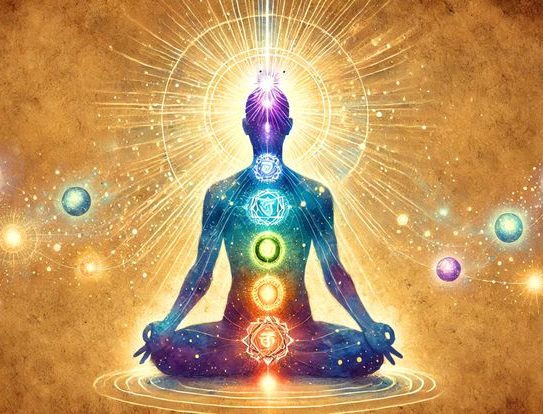
Conclusion
The Nirvana Shatkam stands as one of Adi Shankaracharya’s most powerful and timeless compositions, condensing the heart of Advaita Vedanta into six simple yet profound verses. By systematically rejecting all that is not the Self and affirming our true identity as pure consciousness and bliss, these verses guide seekers towards inner freedom.
Even today, the message of “Shivoham”—I am Shiva—resonates deeply, reminding us that we are not limited by body, mind, or circumstances, but are eternal, limitless awareness. Chanting or reflecting on these verses can bring clarity, peace, and liberation from the struggles of daily life.
In essence, Nirvana Shatkam is not only a hymn of realization but also a practical path to liberation, teaching us that the highest truth lies within ourselves.