Part 1 — VIVEKA PANCHAKAM (Chapters 1–5)
Introduction
Primary goal: remove the superimpositions (upādhis) that hide the Self and establish the seeker in the ever-present Satchidānanda (Brahman). The text repeatedly uses the classical Advaita study method — śravaṇa (listening / study), manana (reflective reasoning), nididhyāsana (prolonged contemplative assimilation / meditation) — together with logical analysis (yukti), neti-neti, and Mahāvākya vichāra (e.g. Tat tvam asi, Ahaṃ brahmāsmi) to remove misconceptions. Click Here To More Detail.
Chapter 1 — Tattva-Viveka Prakaraṇam — 65 verses
Aim: Introduce the essence of Vedānta (Vedānta-sāra): the nature of the Self (Ātman = Sat-Cit-ānanda), source of bondage (avidyā / upādhis / guṇas) and the means of liberation.
Step-by-step (how the chapter develops & practical practice):
- Opening & orientation (vv.1–2): Salutations and a short “upodgātha” (introductory) statement presenting the book as a simple guide for beginners to remove confusion about who I am.
- Essence of Vedānta (vv.3–10): Establishes Ātman as Satchidānanda, explains how consciousness (chaitanya) is changeless while experiences (vṛttis) change — so plurality is in vṛttis, not in Consciousness. Practice: hold the contrast consciously: “I am the witness, not the changing object.”
- Cause of saṃsāra (vv.11–30): Analyzes prakṛti and the three guṇas (sattva/rajas/tamas) and shows how Rajas (rāja) with limited knowledge produces jīva (limited self) — the seed of bondage (avidyā/adhyāsa). Practice: identify which layer of the psyche is operating (reactive vs. reflective).
- Means of mokṣa (vv.31–64): Introduces punya, the need for moral groundwork, and then the Vedāntic method — Mahāvākya vichāra, pañca-kośa discrimination, and the 3-stage method (śravaṇa/manana/nididhyāsana). Practice: start Mahāvākya vichāra — repeatedly inquire into “What is the substratum of these experiences?”
- Conclusion (v.65): A concise exhortation to follow the threefold practice and attain jīvanmukti / videhamukti.
Key takeaways / practice pointers:
-
Constantly contrast changing content (body, mind, thoughts) with changeless witness.
-
Begin with listening (scriptural statements) and then use reason to remove objections and fix the knowledge by meditative abiding Click Here To PDF.

Chapter 2 — Panchabhuta-Viveka Prakaraṇam — 109 verses
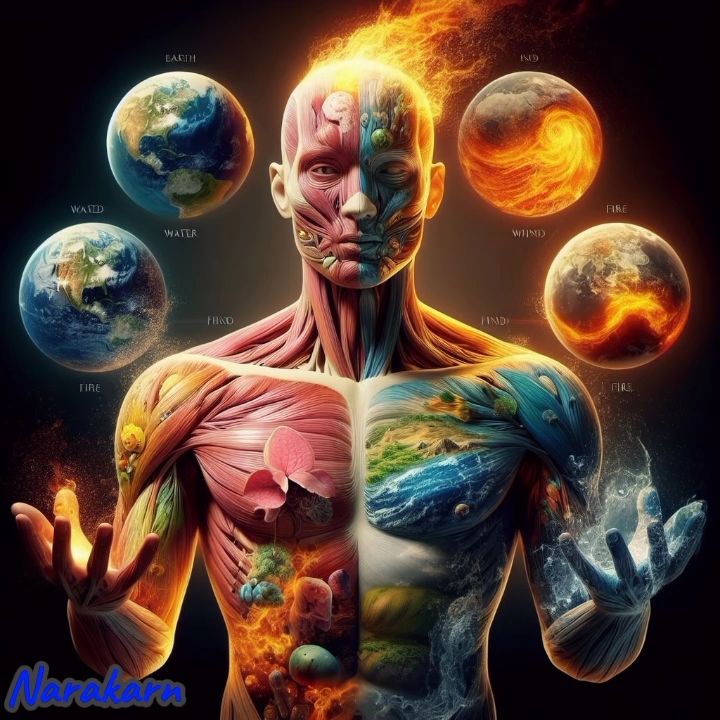
Aim: Show that the five gross elements (pṛthivī, ap, tejas, vāyu, ākāśa) and the entire material complex are not ultimately the Self; teach discrimination between the material (mithyā) and the transcendental witness.
Step-by-step (study & practice):
- Analysis of the five elements: Examine how body and senses arise from elements and are objects for consciousness.
- Upādhi removal: Show that identification with gross elements is superimposition; a stepwise negation (neti-neti) removes each layer.
- Relating the micro to macro: How the same elements manifest in internal instruments (antahkarana) and external world.
- Practical method: Repeated neti-neti with concrete examples (I am not the earth, not the breath, not the sense-experience), and rest in the witness after each negation.
Key result: The student gains clarity that the Self is not any of the five elements and becomes able to stand in the witnessing consciousness Click Here To PDF.

Chapter 3 — Pañca-Kośa-Viveka Prakaraṇam — 43 verses
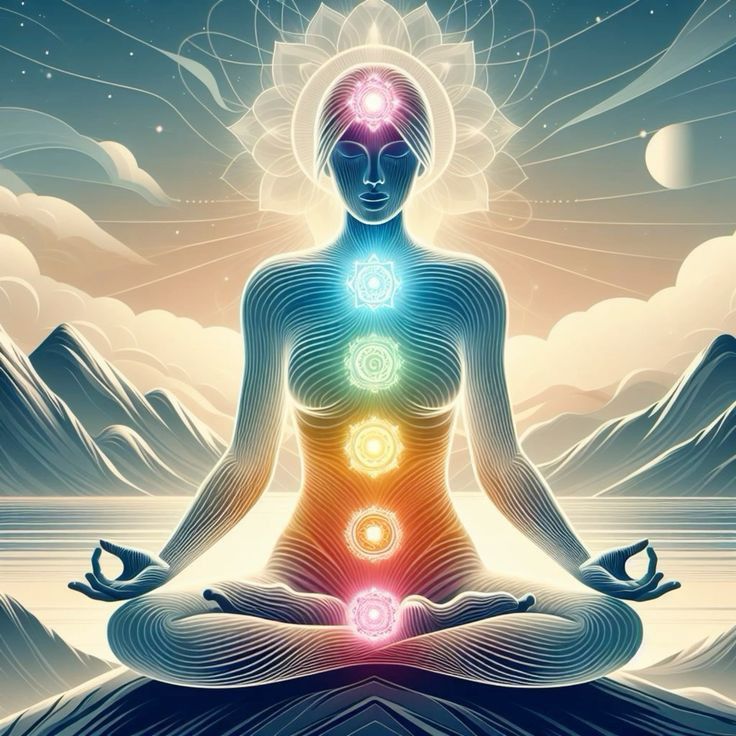
Aim: Teach the classical five-sheath analysis (annamaya → prāṇamaya → manomaya → vijñānamaya → ānandamaya) so the seeker can “peel off” the koshas to locate the Self.
Step-by-step (practical enquiry):
- Identify each kośa and its characteristics (food-sheath, life-sheath, mind-sheath, intellect-sheath, bliss-sheath).
- Demonstrate non-identity: Show why “I” cannot be the grossest sheath (annamaya) and proceed inward step by step.
- Bagā-tyāga lakṣaṇa: Practice discarding (tyāga) the body/mind layers in direct enquiry until only Chaitanya remains.
- Result: Rest as the substratum (witness / pure consciousness) that is distinct from all five sheaths.
Practice: Use a daily short session: list the koshas, negate each by seeing its limits, pause and rest in the awareness that remains Click Here To PDF.

Chapter 4 — “Dvaita-Viveka” Prakaraṇam — 69 verses
Aim: Explain the appearance of duality (jīva / jagat / īśvara) and demonstrate its mithyātva (apparent reality). The chapter defends non-duality by analyzing the cognitive roots of duality (adhyāsa, upādhis).
Step-by-step:
- Present the problem of duality — how do multiplicity and differences appear?
- Show the mechanism — superimposition (adhyāsa) by ignorance, role of guṇas and upādhis.
- Refute absolute duality via logical analysis (if Self were truly multiple, witnesshood fails).
- Practice: Use thought experiments and logical refutations offered in the text to dislodge instinctive dual views.
Result: The seeker becomes able to treat the world and mind as transitory appearances while maintaining the non-dual standpoint experientially Click Here To PDF.

Chapter 5 — Mahāvākya-Viveka Prakaraṇam — 8 verses
Aim: Focused, compact treatment showing how the Mahāvākyas (great scriptural ‘I-am-Brahman’ statements) are to be understood and made effective by vichāra and nididhyāsana.
Step-by-step (how to practice the Mahāvākyas):
- Hear the Mahāvākya from scripture / teacher (śravaṇa).
- Analyze logical objections (manana).
- Abide in the immediate insight repeatedly until the non-duality is firm (nididhyāsana).
Takeaway: The Mahāvākyas are not mere slogans — they are the pointer; practice converts the pointer into direct abiding.
Primary goal: remove the superimpositions (upādhis) that hide the Self and establish the seeker in the ever-present Satchidānanda (Brahman). The text repeatedly uses the classical Advaita study method — śravaṇa (listening / study), manana (reflective reasoning), nididhyāsana (prolonged contemplative assimilation / meditation) — together with logical analysis (yukti), neti-neti, and Mahāvākya vichāra (e.g. Tat tvam asi, Ahaṃ brahmāsmi) to remove misconceptions Click Here To PDF.
Part 1 — VIVEKA PANCHAKAM (Chapters 1–5)
Part 2 — DEEPA PANCHAKAM (Chapters 6–10)
Part 3 — ANANDA PANCHAKAM (Chapters 11–15, Lecture 13) — 429 verses total
Panchadasi – by Swami Vidyaranya Part-4