Introduction
Moksha Sannyasa Yoga, the eighteenth and final chapter of the Bhagavad Gita, is the spiritual summit of the entire text. It synthesizes all previous teachings—Karma Yoga (path of action), Jnana Yoga (path of knowledge), and Bhakti Yoga (path of devotion)—into one harmonious vision. The chapter is titled “The Yoga of Liberation through Renunciation”, revealing that true freedom (moksha) is attained not by physical withdrawal from life, but through inner renunciation and spiritual surrender Click Here To Access more other text.
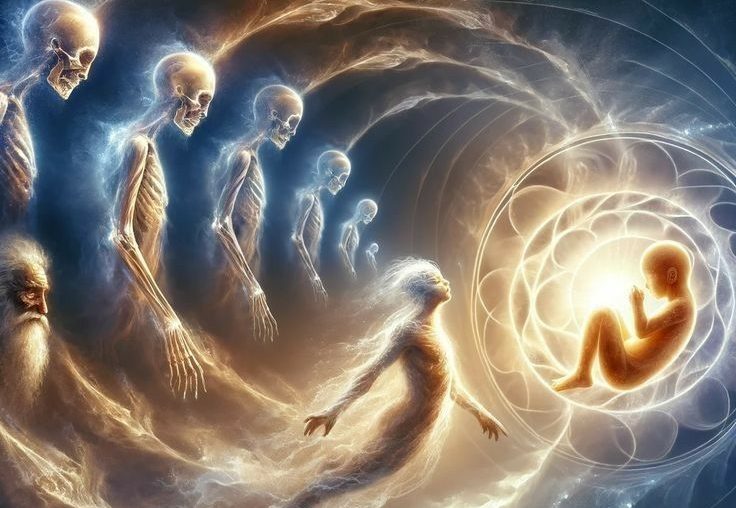
- Moksha = Liberation from the cycle of birth and death (samsara)
- Sannyasa = Renunciation of desire-driven actions
- Tyaga = Giving up attachment to the fruits of actions
Lord Krishna guides Arjuna to understand that the key to spiritual success lies not in rejecting action, but in doing one’s duty selflessly and surrendering the results to the Divine.
Key Themes of Moksha Sannyasa Yoga
-
Renunciation (Sannyasa) vs. Relinquishment (Tyaga)
Krishna explains that renunciation of action is not ideal for everyone. Rather, the wise relinquish attachment to results while continuing to perform their righteous duties (svadharma). -
Threefold Nature of Inner Qualities (Gunas)
All actions, thoughts, and qualities—like knowledge, resolve, and the doer—are categorized as:-
Sattvic – Pure, illuminating, liberating
-
Rajasic – Passionate, restless, self-centered
-
Tamasic – Ignorant, dull, deluded
Understanding these helps the seeker purify their nature Click view PDF.
-
-
Duties According to Varna (Natural Temperament)
Duties are not based on birth but on guna (nature) and karma (tendencies):-
Brahmana – Calmness, wisdom
-
Kshatriya – Courage, protection
-
Vaishya – Trade, agriculture
-
Shudra – Service, support
All are spiritually valid if performed selflessly.
-
-
Perfection Through Action (Karma Yoga)
By dedicating every action to God, a seeker can attain inner purity, leading to knowledge (jnana) and eventually to liberation.
The Ultimate Message (18.66 – Sarva Dharma Parityajya)
“Abandon all dharmas and surrender unto Me alone. I will liberate you from all sins; do not grieve.” Click view PDF.
This is the essence of the Gita: total surrender (śaraṇāgati) as the final step to moksha.
How Many Times Should You Study This Chapter?
Moksha Sannyasa Yoga, being the final and most comprehensive chapter of the Bhagavad Gita, is not something to be read just once. It deserves repeated, deep, and lifelong study. In the first few readings (1–2 times), one should focus on grasping the central teachings—how renunciation, action, and surrender are harmonized. In the next phase (3–7 times), the seeker can begin to reflect more deeply on individual verses, linking them with earlier chapters to see how the Gita’s entire message culminates here. Over time, this chapter becomes a spiritual anchor—something to return to regularly, even weekly or monthly. Key verses such as 18.66, which offer the ultimate message of surrender, are often committed to memory and meditated upon daily. Thus, this chapter is not just for intellectual understanding, but for lifelong contemplation, guiding the seeker steadily toward liberation Click view PDF.
Why Study Moksha Sannyasa Yoga?
- To integrate all spiritual paths (action, knowledge, devotion)
- To gain clarity on renunciation—beyond physical withdrawal
- To understand the role of duty and selflessness in spiritual life
- To recognize the subtle influence of gunas in one’s mind and actions
- To receive the final instruction of Lord Krishna on liberation
This chapter is not just a summary—it is the spiritual essence of the Gita.
Benefits of Studying Chapter 18
- Clarity on True Renunciation – Understand how to live in the world without being bound by it.
- Mental Peace – Non-attachment and surrender bring calmness and freedom from anxiety.
- Inner Purity – Selfless action and surrender help dissolve ego and purify the mind.
- Spiritual Integration – Harmonizes all yogas into a single life path.
- Unshakable Devotion – Fosters a deep and loving surrender to the Supreme Being.
- Preparation for Moksha – Leads one to the threshold of final liberation through inner detachment Click view PDF.

Conclusion
Moksha Sannyasa Yoga is the grand culmination of the Bhagavad Gita and a guiding light for sincere seekers. It affirms that true liberation does not come from external renunciation, but from inner detachment, dedicated action, and ultimately surrender to the Divine. Lord Krishna’s final words are a call to let go of ego, desires, and even religious identities, and to take refuge in the Supreme Self.
“Surrender unto Me alone. I shall liberate you.”