Chapter 1 – The Origin of Creation through Prana and Rayi
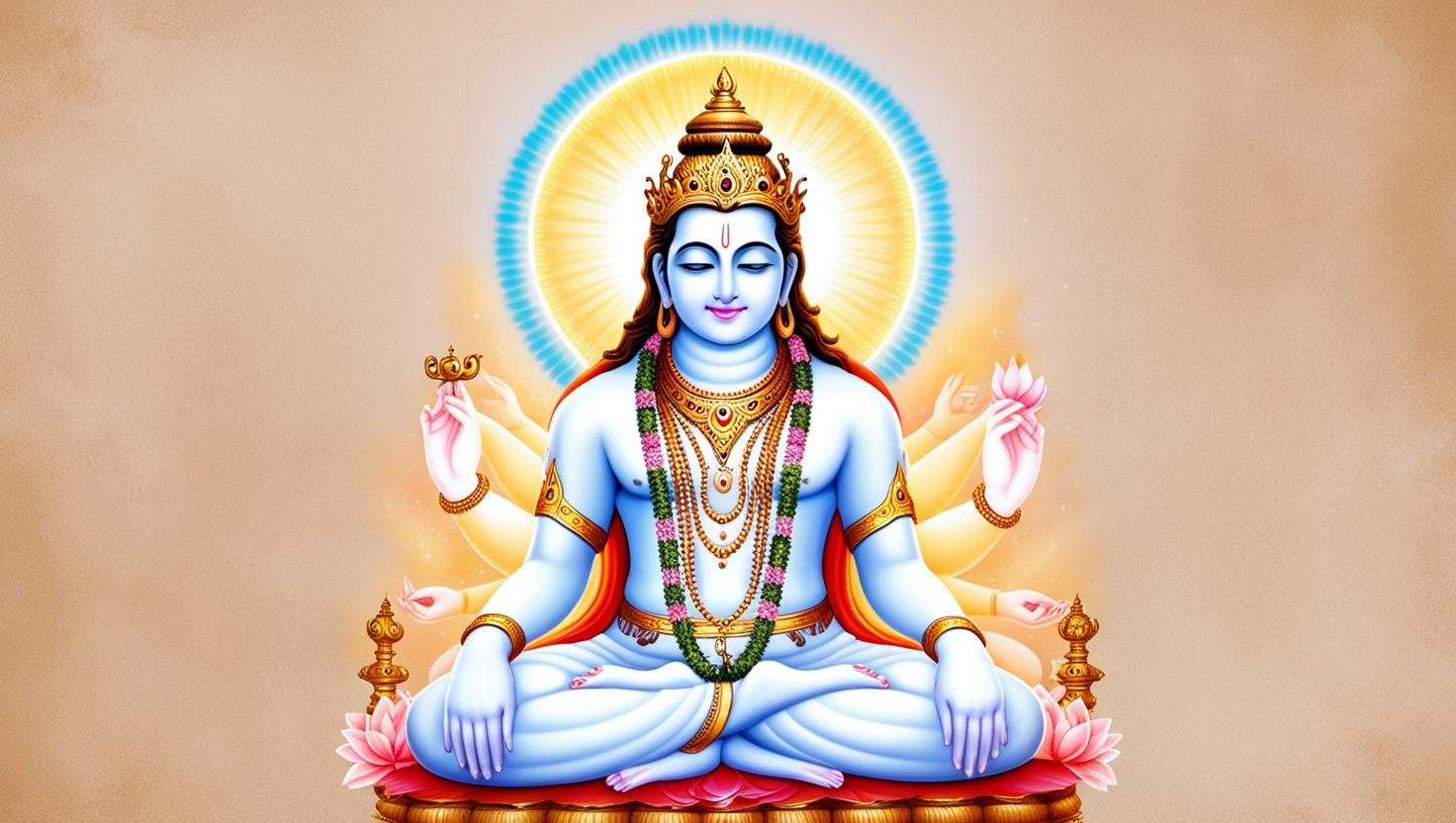
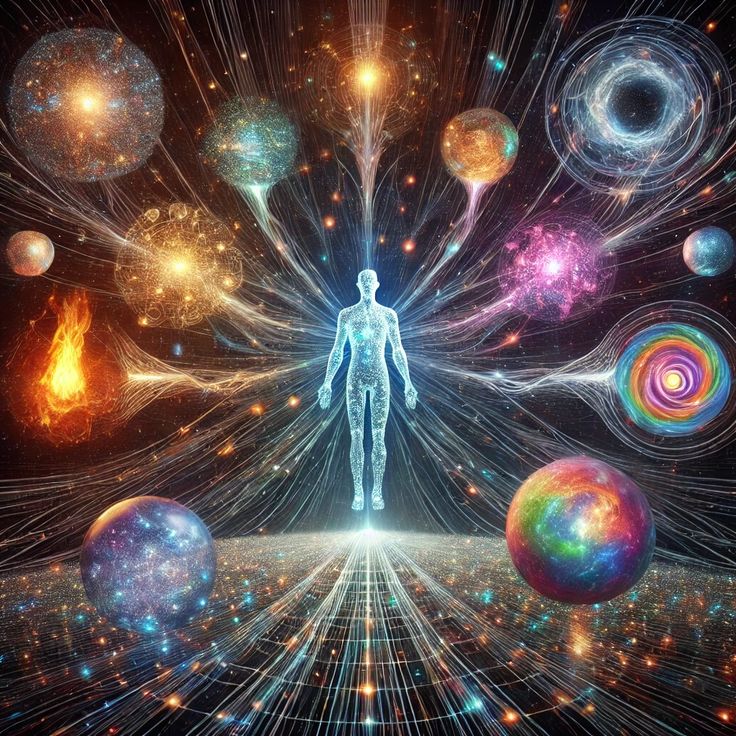
Chapter 1 of the Prasno upanishad begins with the student Kabandhi asking Sage Pippalada about the origin of creation. The sage explains that Prajapati, the Lord of creation, desired offspring and produced two fundamental principles—Rayi (matter) and Prana (life-energy). From their union, all beings came into existence, sustained by the interplay of energy and matter. The sun is described as the embodiment of Prana, while the moon represents Rayi. Time, in the form of days, nights, and months, governs creation and dissolution. Ultimately, the chapter emphasizes that all beings arise, live, and return within this cosmic rhythm. For More Information Click Here
Core Theme of Chapter 1:
The first chapter of the Prasno upanishad explores how creation begins with Prajapati manifesting Prana (life-energy) and Rayi (matter). These two forces, when united, give rise to all beings. The sun is seen as the embodiment of Prana, while the moon reflects Rayi. Together, they symbolize the inseparable relationship of energy and substance in sustaining the cosmos.
Teaching of Chapter 1:
This chapter teaches that existence depends on the harmony between life-force and matter. Neither can function alone—both must work together for creation to thrive. It also shows the importance of time as the regulator of birth, growth, and dissolution. Ultimately, it invites us to see the universe as a balance of forces governed by higher order.
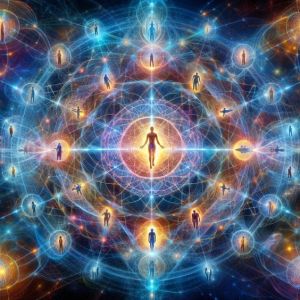
Chapter 1 – The First Question: Origin of All Beings
Verse 1 – Six devoted seekers—Sukesha, Satyakama, Gargya, Kabandhi, Bhargava, and Kausalya—approach Sage Pippalada, longing to understand the truth of existence.
Verse 2 – The sage welcomes them but sets a condition: live with austerity, faith, and discipline for a year before raising their questions.
Verse 3 – After the year, Kabandhi asks the first question: From where are all creatures born in this world?
Verse 4 – Sage Pippalada replies: Prajapati, the Lord of all beings, desired creation and manifested two fundamental principles—Prana (vital energy) and Rayi (matter).
Verse 5 – From the union of Prana and Rayi, all beings take birth and are sustained; both principles are indispensable for creation.
Verse 6 – The sage identifies the sun with Prana, the vital force, and the moon with Rayi, representing the material aspect of existence.
Verse 7 – Day and night are seen as the movements of Prana and Rayi, expressing the eternal rhythm of creation and rest.
Verse 8 – The sun, by moving daily across the sky, sustains life with energy, while the moon nourishes and supports growth through matter.
Verse 9 – Those who follow the path of light (uttarayaṇa) rise to higher worlds, while those bound to the path of darkness (daksinayaṇa) return to rebirth.
Verse 10 – The months, divided into bright and dark fortnights, symbolize cycles of expansion and contraction, governing creation and dissolution.
Verse 11 – The year itself is Prajapati; the sun and moon are its limbs, signifying the unity of time, energy, and matter in sustaining the cosmos.
Verse 12 – The sun as Prana is the giver of vitality, radiating life-force to the entire world and ensuring continuity of existence.
Verse 13 – Those who live with faith, austerity, and truth ascend to higher realms, while others bound by desires return to earthly life.
Verse 14 – The chapter concludes: all beings emerge from Prajapati through the interplay of Prana and Rayi, regulated by time and divine order. For More Information Click Here
Shankaracharya’s Insights on Chapter 1 – The Interplay of Prana, Rayi, and the Supreme
Shankara explains that Prajapati is not an independent creator but only a manifestation of Brahman, the ultimate cause. Prana (life-force) and Rayi (matter) are described as dependent realities arising through Brahman’s power of maya. Their union sustains creation, yet neither holds existence apart from the Self. The sun as Prana and the moon as Rayi reveal how cosmic energy and matter mirror these principles. Time, with its cycles of days, nights, and seasons, is itself only a manifestation of Brahman. In the end, the chapter directs seekers beyond creation to the eternal Self as the true source of all. For More Information Click Here
Conclusion
Chapter 1 of the Prasno upanishad reveals the origin of creation through the union of Prana and Rayi, regulated by time and upheld by Prajapati. It shows that energy and matter together sustain existence, yet both ultimately rest in Brahman. Shankaracharya’s insights remind us that these principles are not independent but manifestations within maya. The real teaching is to look beyond creation and cycles of time toward the eternal Self, the changeless foundation behind all beings.
Join Our Classes:
The Upanishads are more than just ancient texts—they are timeless guides to living with clarity, balance, and inner peace. Our classes make their profound wisdom easy to understand and apply in everyday life. Join us to explore these teachings and discover a new way of seeing yourself and the world!