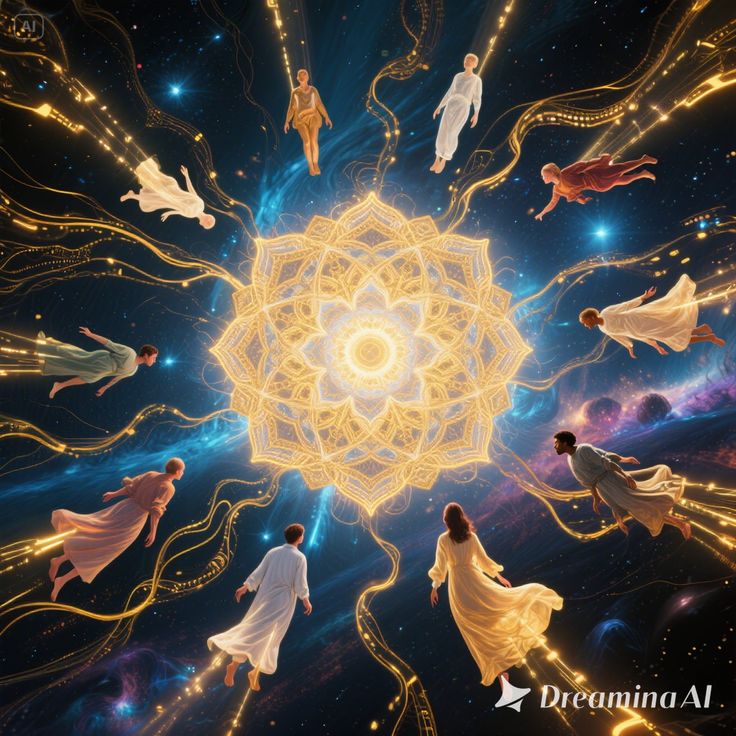
Overview of Chapter 4 – The Supremacy of Prana in Sustaining Mind and Senses
Chapter 4 begins with Kausalya asking Sage Pippalada about the principle that sustains the mind, speech, and thought. The sage explains that all faculties depend on Prana, the life-force, for their functioning. Speech, hearing, sight, and the mind operate only when Prana is active. Withdrawal of Prana causes all faculties to weaken, demonstrating its supremacy. The chapter highlights the interdependence of vital airs, senses, and mind. Ultimately, it teaches that understanding and meditating on Prana prepares the seeker for higher spiritual knowledge. For More Information Click Here

Theme of Chapter 4
The central theme of Chapter 4 is the dependence of mind, speech, and senses on Prana, emphasizing that life, perception, and thought are sustained by the vital life-force. It highlights the inner coordination of faculties and the essential role of Prana in maintaining both physical and mental functions.
What Chapter 4 Teaches Us
This chapter teaches that all faculties—mind, speech, and senses—cannot function independently; they rely on Prana for their activity. Recognizing this interdependence guides seekers to focus inward, purify the mind, and prepare for higher spiritual realization, moving attention from external faculties to the inner Self.

Verse-wise Summary of Chapter 4 (11 Verses)
Verse 1 – Kausalya asks Sage Pippalada which principle governs and sustains the mind, speech, and thought.
Verse 2 – The sage explains that Prana pervades all faculties and supports their functions.
Verse 3 – Speech depends on Prana for expression, while hearing, sight, and thought also rely on it.
Verse 4 – The mind, as the central processor of perception and desire, is itself upheld by Prana.
Verse 5 – Vital airs and senses act in harmony under the coordination of Prana, enabling life and cognition.
Verse 6 – Withdrawal of Prana causes the collapse of all faculties, demonstrating its supreme importance.
Verse 7 – Meditation on Prana strengthens the mind, clarifies thought, and purifies consciousness.
Verse 8 – Understanding the dependence of faculties on Prana leads to proper control over speech, mind, and actions.
Verse 9 – Prana is affirmed as the life-force that enables knowledge, activity, and spiritual development.
Verse 10 – The sage explains that proper awareness of Prana ensures vitality, strength, and mental clarity.
Verse 11 – Chapter 4 concludes that the mind, senses, and vital forces are all dependent on Prana, highlighting its centrality for life and spiritual progress. For More Information Click Here

Shankaracharya’s Insights
Shankaracharya explains that Chapter 4 demonstrates the inner interdependence of mind, speech, senses, and Prana. While all faculties appear independent, they rely entirely on Prana for their functioning. He clarifies that Prana itself is not the ultimate Self (Brahman) but a conditioned manifestation of Brahman within the body. By showing how the faculties collapse when Prana withdraws, the Upanishad teaches seekers to look inward, recognizing the vital force as the support of life and thought. Meditation on Prana purifies the mind, strengthens awareness, and prepares the seeker for realization of Brahman. This chapter bridges understanding of bodily functions with spiritual knowledge, guiding the seeker from outer faculties to the eternal Self. For More Information Click Here

Conclusion
Chapter 4 of the Prasno Upanishad highlights the dependence of mind, speech, and senses on Prana, the life-force that sustains all faculties. It teaches that life, perception, and cognition are possible only through Prana’s coordination. Shankaracharya emphasizes that while Prana is supreme among bodily and mental functions, it points toward the ultimate reality, Brahman. Meditation on Prana purifies the mind, strengthens faculties, and prepares the seeker for higher spiritual knowledge. By understanding the interdependence of vital airs, senses, and mind, the seeker learns to turn inward. This chapter forms a crucial step in guiding one from awareness of external faculties to realization of the eternal Self.
Join Our Classes:
The Upanishads are more than just ancient texts—they are timeless guides to living with clarity, balance, and inner peace. Our classes make their profound wisdom easy to understand and apply in everyday life. Join us to explore these teachings and discover a new way of seeing yourself and the world!