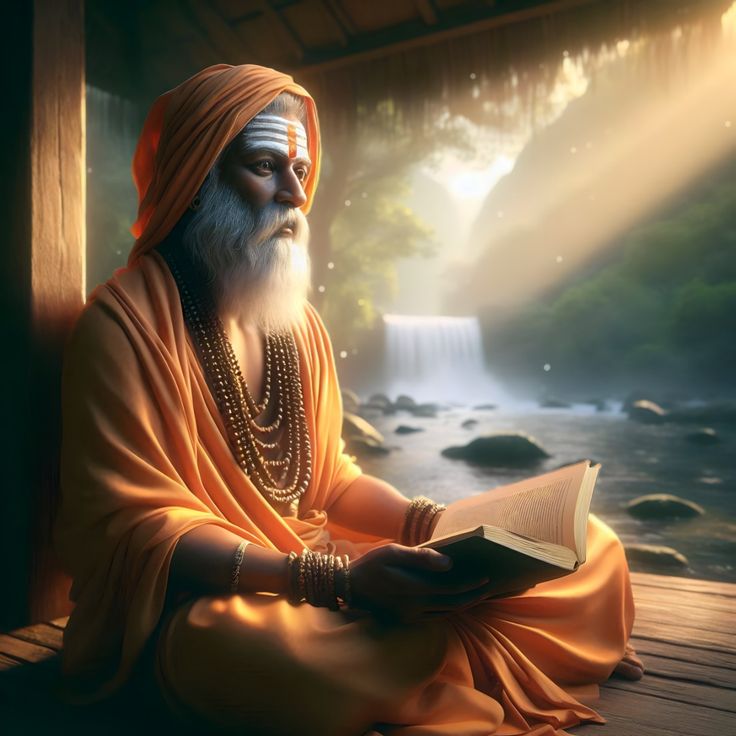
Sankhya Yoga: How Krishna Rebuilds a Broken Mind
A Deep Real-Life Explanation of Bhagavad Gita Chapter 2
Introduction: From Breakdown to Direction
Chapter 1 ends with collapse.
Chapter 2 begins with reconstruction.
If Arjuna Vishada Yoga is about emotional breakdown,
Sankhya Yoga is about mental clarity after chaos.
This chapter answers one core human question:
“I am suffering — now what?” Click Here To Access more other text.
Where Chapter 2 Begins in Real Life
This chapter starts after you admit:
-
“I’m confused”
-
“I can’t handle this alone”
-
“I need guidance”
Only after surrender does wisdom enter.
Krishna does not console Arjuna emotionally alone —
He reprograms how Arjuna sees life itself. Click Here For Chapter-2.
The First Shock Therapy: “You Are Grieving for the Wrong Thing”
Krishna’s first words are not soft.
He basically says:
“Your sorrow sounds wise,
but it is rooted in ignorance.”
In real life, this is painful to hear.
We grieve because:
-
we fear loss
-
we fear judgment
-
we fear change
-
we fear endings
Krishna points out:
👉 Suffering comes from misidentifying who we are.
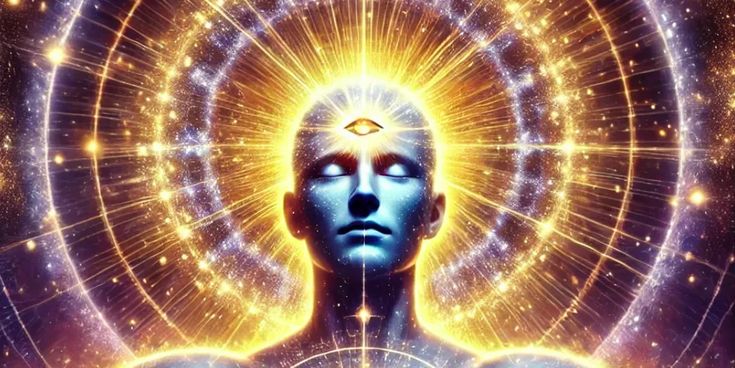
The Core Teaching: You Are Not the Body or Mind
Krishna introduces Sankhya philosophy:
-
The body changes
-
The mind fluctuates
-
The Self (Atman) does not die
Birth and death are transitions — not endings. Click Here For Chapter-2.
Real-life translation:
-
Job loss ≠ you are finished
-
Relationship ending ≠ you are unworthy
-
Failure ≠ your identity
Pain feels permanent only when we attach identity to temporary roles.
Why Detachment Is NOT Emotional Coldness
Krishna says:
“Do your duty without attachment to results.”
Many misunderstand this.
Detachment does NOT mean:
-
no emotions
-
no care
-
no love
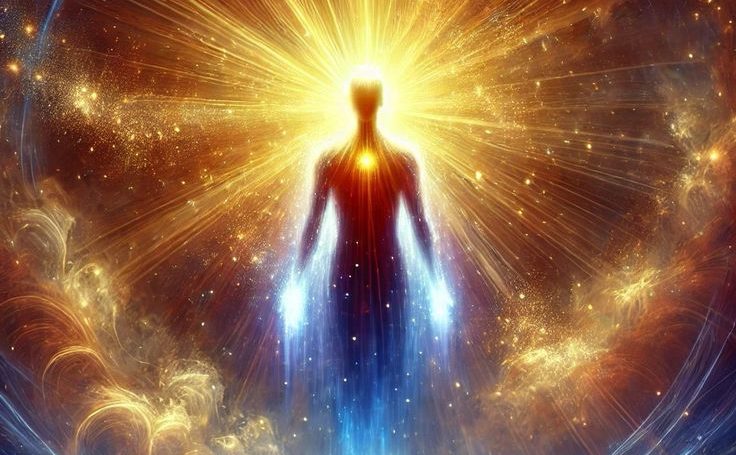
Detachment means:
👉 Do your best without letting outcomes destroy you. Click Here For Chapter-2.
-
emotional regulation
-
outcome independence
The Gita said it thousands of years ago.
Karma Yoga: Action Without Anxiety
Krishna introduces a revolutionary idea:
“You have the right to action,
not to the fruits of action.”
In real life:
-
Study sincerely — don’t obsess over marks
-
Work honestly — don’t destroy peace for promotion
-
Love fully — don’t control outcomes
Anxiety comes not from action
but from attachment to results. Click Here For Chapter-2.
The Concept of the Steady Mind (Sthita Prajna)
Arjuna asks:
“How does a wise person live?”
Krishna answers by describing emotional mastery.
A steady person:
-
is not shaken by pleasure or pain
-
does not chase validation
-
does not collapse under criticism
-
responds, not reacts
This is not spiritual fantasy —
this is peak mental strength. Click Here For Chapter-2.
Sense Control: The Psychology Behind Desire
Krishna explains how downfall happens:
-
Thinking about objects
-
Attachment forms
-
Desire intensifies
-
Anger arises
-
Memory is clouded
-
Intelligence collapses
Modern name for this:
👉 Impulse-driven behavior
Krishna gives awareness as the antidote. Click Here For Chapter-2.
Why Krishna Pushes Arjuna to Act
Krishna does not ask Arjuna to escape life.
He insists:
“Action is better than inaction.”
Why?
Because avoidance creates:
-
guilt
-
stagnation
-
depression
Right action, even imperfect, is healing. Click Here For Chapter-2.
Chapter 2’s Brutal but Liberating Truth
You cannot control outcomes,
but you can control effort and attitude.
Peace comes not from success —
but from alignment.
How Chapter 2 Applies to Modern Life
This chapter speaks directly to:
-
burnout professionals
-
anxious students
-
emotionally overwhelmed people
-
those stuck in overthinking loops
It teaches:
-
emotional resilience
-
mental discipline
-
purposeful action
This is not religion —
this is life engineering. Click Here For Chapter-2.

Final Message of Sankhya Yoga
“Stand up.
Act with awareness.
Detach from results.
Anchor in your true self.”
That is how a broken mind becomes unshakeable.