Inner Renunciation and Self-Knowledge as the Path to Liberation
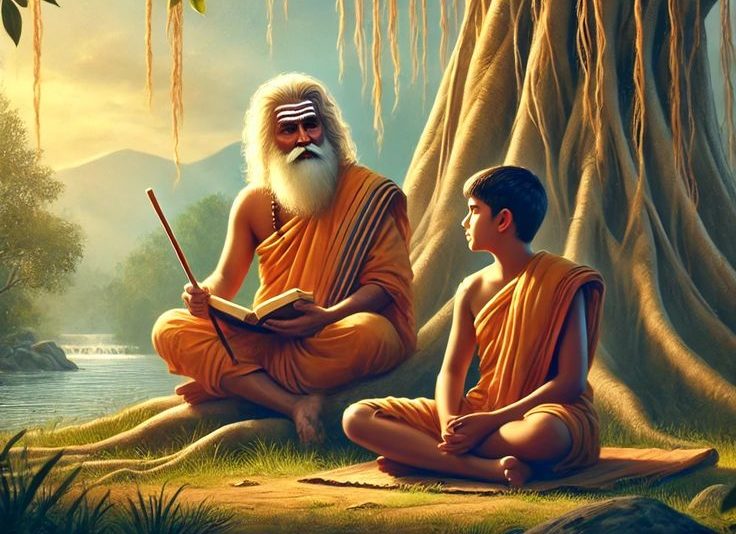
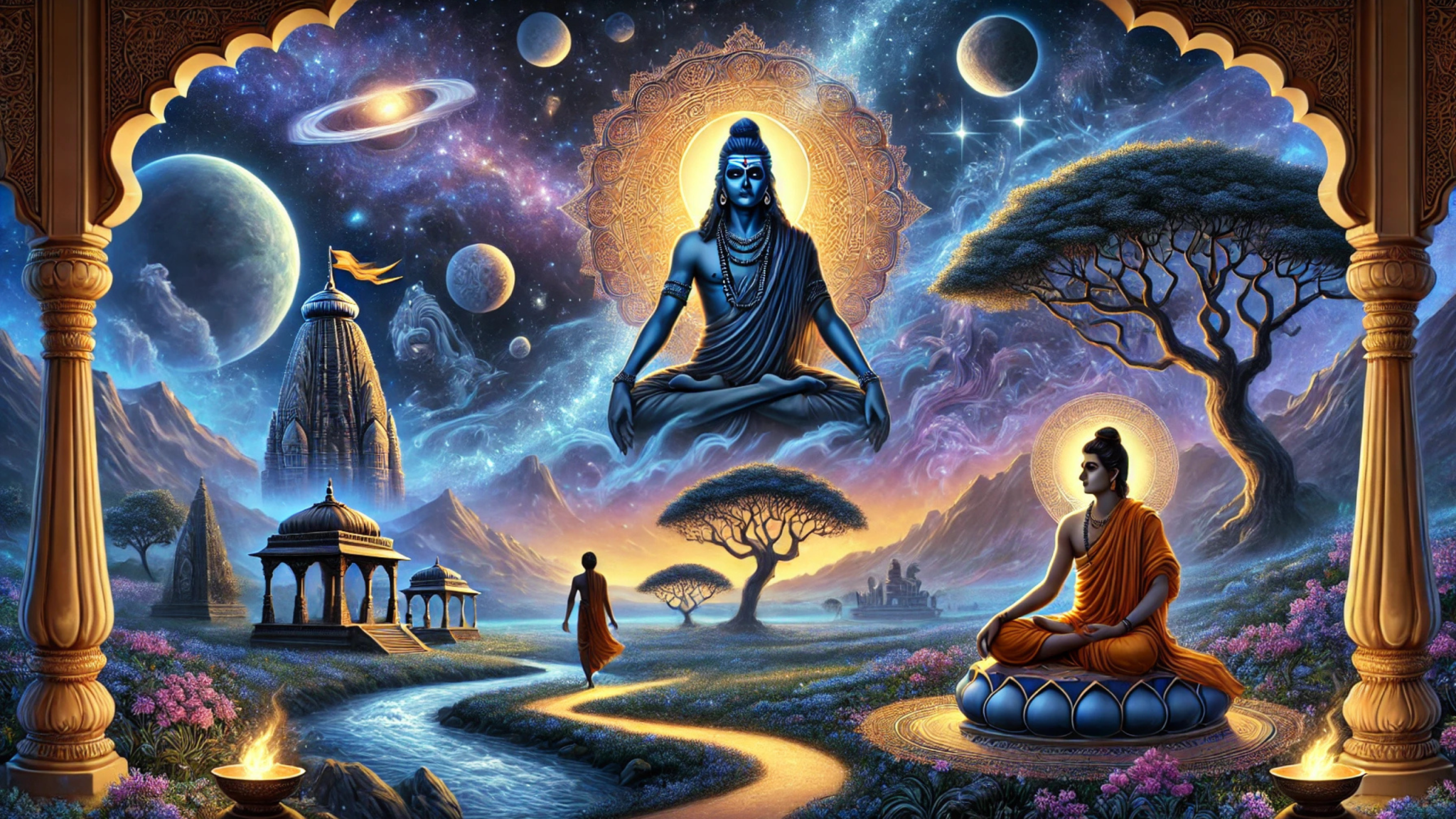
The Saṭyayaniya Upanishad presents a clear exposition of Advaita Vedanta, focusing on renunciation and direct knowledge of the Self as the means to liberation. It teaches that the Atman is pure, changeless consciousness, distinct from the body, senses, and mind. The Upanishad emphasizes sannyasa as inner detachment rather than external abandonment. Rituals, social duties, and external symbols are regarded as secondary to Self-knowledge. It highlights discrimination between the real and the unreal as essential for freedom. Ultimately, the text affirms that steadfast abidance in non-dual awareness leads to moksa. For More Information Click Here
Structure and Central Teachings of the Saṭyayaniya Upanishad
The Saṭyayaniya Upanishad is a Sannyasa Upanishad associated with the Sukla Yajurveda, and it consists of a single chapter containing 40 verses. Though concise, it offers a complete Advaitic teaching centered on renunciation and Self-realization. Since it has only one chapter, the Upanishad unfolds as a continuous exposition. It defines true sannyasa as inner detachment from ego, desire, and the sense of doership, rather than mere external abandonment. The text clearly establishes the Atman as pure, non-dual consciousness, distinct from body, senses, and mental modifications. Rituals, social duties, and external observances are shown to be insufficient for liberation without Self-knowledge. The chapter culminates in affirming that moksa is attained through unwavering abidance in Self-awareness.
Key Verses on Renunciation and Self-Realization
- On the nature of the Self: “The Self is pure consciousness, untouched by body, senses, or mind.”
- Meaning: The Upanishad declares that the true Self is changeless awareness, distinct from all physical and mental identifications.
- On renunciation (sannyasa): “True renunciation is the abandonment of ego, desire, and the sense of ‘I’ and ‘mine.’”
- Meaning: Sannyasa is an inner state of freedom, not merely external renunciation or symbols.
- On rituals and actions: “Actions and rituals cannot grant liberation; knowledge alone destroys bondage.”
- Meaning: Liberation cannot be produced by karma, but only by Self-knowledge.
- On discrimination: “By knowing the difference between the eternal and the transient, the wise attain peace.”
- Meaning: Viveka (discrimination) between the real and unreal is essential for freedom.
- On the liberated sage: “The knower of the Self remains unattached, free from sorrow, fear, and delusion.”
- Meaning: A realized person abides in equanimity, unaffected by worldly dualities.
- On liberation (moksa): “Abidance in the Self alone is liberation; there is no other path.”
- Meaning: Moksa is immediate and present, attained through steady Self-awareness.
These verses capture the Upanishad’s essence: inner renunciation, Advaita Vedanta, discrimination, and liberation through Self-knowledge. For More Information Click Here
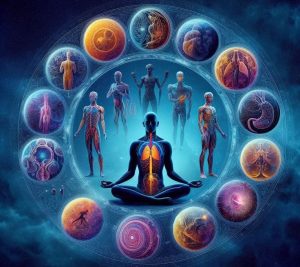
Non-Dual Self-Knowledge and Inner Renunciation as the Means to Liberation
The Saṭyayaniya Upanishad teaches that true liberation arises through complete renunciation grounded in the direct knowledge of the Self. It emphasizes that the Self alone is real—pure, non-dual, and untouched by action, merit, or demerit. Rituals, duties, and social distinctions are seen as preparatory, but ultimately transcended through wisdom. The Upanishad highlights sannyasa as an inner state of freedom, not merely an external mode of life. Through discrimination and detachment, the seeker realizes identity with Brahman, beyond body and mind. This realization alone dissolves bondage and leads to abiding peace and moksha. For More Information Click Here

Conclusion
The Saṭyayaniya Upanishad ultimately affirms that liberation is attained not through outward practices, but through unwavering realization of the non-dual Self. By emphasizing inner renunciation and direct knowledge of Brahman, it guides seekers beyond ritualism into lived wisdom. The text presents sannyasa as a state of consciousness marked by freedom from identification with body and mind. In doing so, it reinforces the Advaitic vision that knowing the Self as one without a second is the final and complete fulfillment of human life.
Join Our Classes:
The Upanishads are more than just ancient texts—they are timeless guides to living with clarity, balance, and inner peace. Our classes make their profound wisdom easy to understand and apply in everyday life. Join us to explore these teachings and discover a new way of seeing yourself and the world!