Introduction (for Verses 58–62)
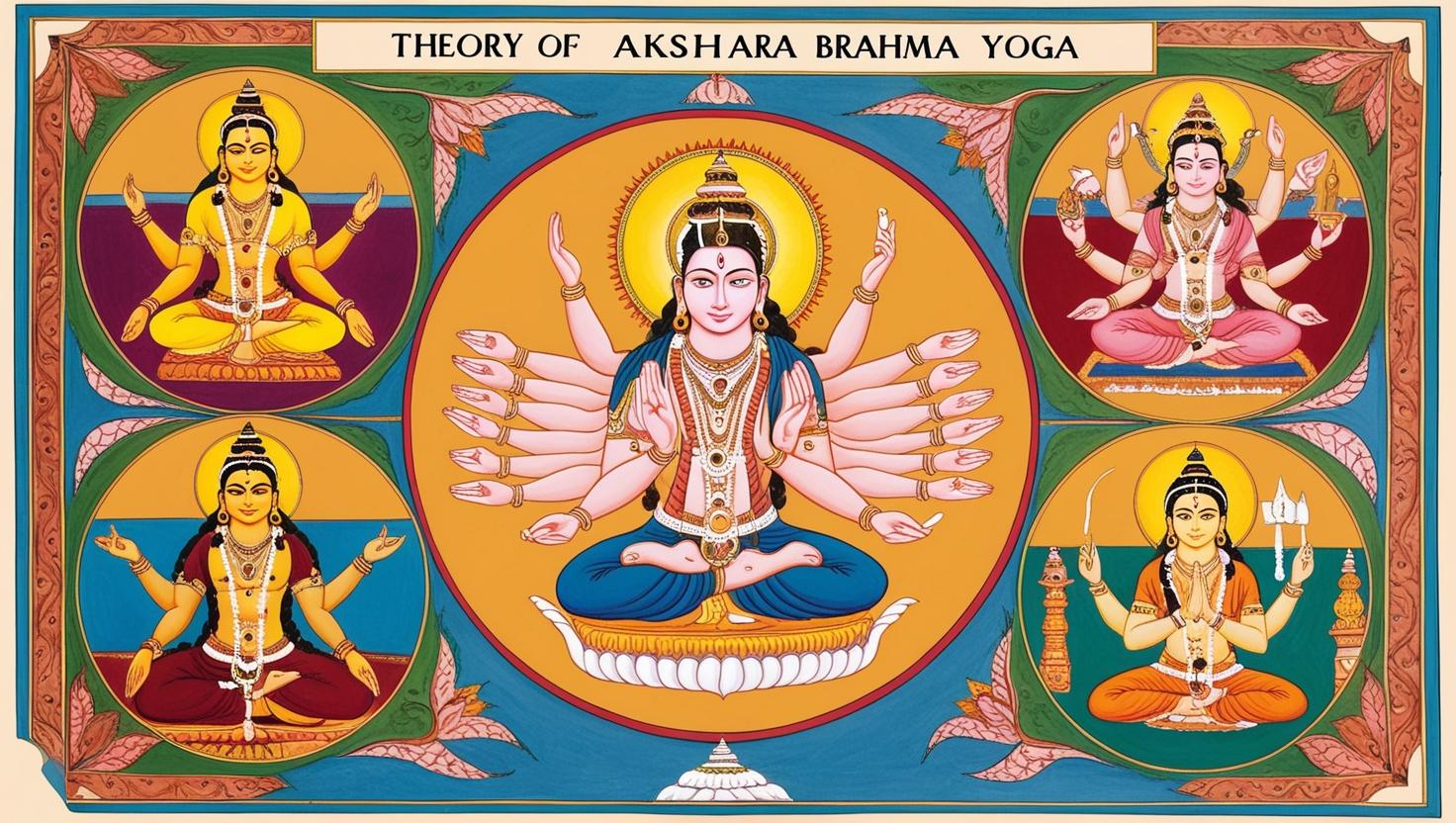
Verses 58–62, forming the Upasaṃhāra (conclusion) of the Śrī Rāma Gītā, present Lord Rāma’s compassionate closing instructions to Lakṣmaṇa. In this section, as explained by Vedanta Students, Rāma addresses seekers of different capacities—both the madhyama adhikāri (the intermediate aspirant) and the uttama adhikāri (the highest aspirant). For those who have not yet realized the non-dual truth, He lovingly prescribes bhakti through saguṇa upāsanā, worship of the Lord with qualities and form, as a powerful means to purify the mind and prepare it for deeper understanding. At the same time, Rāma assures that for advanced seekers—like Lakṣmaṇa—firm knowledge of the Self (jñāna) leads to complete freedom: both jīvan-mukti, liberation while living, and ultimately videha-mukti, the final release after the fall of the body. Thus, these concluding verses beautifully integrate devotion and knowledge, guiding every type of aspirant toward the highest realization. Click Here To Access more other text.

Benefits (of Verses 58–62)
Studying this concluding part gives:
-
Reassurance for seekers: It consoles those who may not yet directly “see” non-duality, offering a devotional path.
-
Bridge between bhakti and jñāna: It emphasizes devotion and knowledge — not forcing advanced knowledge prematurely, but valuing heartfelt worship.
-
Clarity about realization: It explains that the entire teaching is the “science of Reality” (Brahman) plus the method (sādhana) to realize it.
-
Holistic goal: It promises not just temporary self-realization but full liberation.
-
Motivation for practice: It encourages continuing sādhanā (spiritual discipline), even for those not yet fully awakened. Click view PDF.
Verses 58–62: Sanskrit, Translation, & Meaning
Here are verses 58–62 (based on the Sanskrit-English PDF) from the same text:
Verse 58
Sanskrit (approx.)
“yāvat akhilaṁ mad-ātmakam na paśyase… māṁ rūpavat bhajeta… śuddha-hṛdaye śraddhāvataḥ aham svayam prakāśe”
Translation
“As long as one is unable to see the entire universe as My divine Self, one should worship Me with form. In the pure heart of one endowed with strong faith and devotion, I become self-evident.”
Meaning — Step by Step
-
You cannot see non-duality yet → the world still looks separate.
-
So practice devotion with form → worship the Saguna Rama.
-
Devotion purifies the heart → making it fit for higher realization.
-
When the heart becomes pure and full of faith → Rama reveals Himself directly.
Significance
-
Saguna bhakti is not “lower”; it is a powerful purifier.
-
Helps transition to non-dual vision.
-
Shows progression: form → formless → Self-realization. Click view PDF.

Verse 59
Translation
“This teaching I have given you is the secret essence of the Upanishads, gained through My own direct realization. Anyone who reflects upon it intelligently becomes free from all sins.”
Meaning — Step by Step
-
Rama says: This is not theory—it is lived Truth.
-
The teaching is the core essence of the Upanishads.
-
A seeker who reflects (manana) on it clearly…
-
…becomes purified and liberated.
Significance
-
Confirms the authority of the Rama Gita.
-
Knowledge must be reflected upon, not merely heard.
-
Liberation begins with understanding truth + removing doubts. Click view PDF.
Verse 60
Translation
“This world of experiences is merely a projection of Māyā. Giving up identification with it, turn to Me with a purified heart and live in unbroken bliss.”
Meaning — Step by Step
-
The world is Māyā’s projection—not absolutely real.
-
We suffer because we identify with body/mind/world.
-
Renounce identification (“this is me / mine”).
-
Turn your attention inward to Rama as the Self.
-
This results in continuous bliss and freedom from sorrow.
Significance
-
Classic Advaita teaching:
Identify with the Self → Bliss
Identify with the world → Sorrow -
Encourages the shift from outward to inward focus. Click view PDF.

Verse 61
Translation
“One who meditates on My pure formless nature, or on Me with qualities, becomes of My own nature — Brahman. Wherever such a realized being goes, the place becomes sanctified like the sunlight purifies the world.”
Meaning — Step by Step
-
You can meditate on the formless Rama (Nirguna)…
-
…or on Rama with form (Saguna).
-
Either way → the seeker becomes Brahman-like.
-
Such a realized being radiates purity.
-
Their presence itself sanctifies the environment.
Significance
-
Shows unity of paths: Saguna and Nirguna both lead to Brahman.
-
Declares the power and purity of a jñānī’s presence.
-
Realized beings uplift the world effortlessly. Click view PDF.
Verse 62
Translation (approx.)
“This science of Reality, along with all methods of realization, is the essence of the Upanishads, sung by Me — the portion to be realized through Upanishadic statements. One who studies this with devotion to the teacher and strong faith attains realization.”
Meaning — Step by Step
-
Rama identifies His teaching as Upanishadic essence.
-
It includes both:
-
Truth (tattva)
-
Practice (sādhanā)
-
-
Realization happens through:
-
śraddhā (faith)
-
guru-bhakti (devotion to the teacher)
-
steady study (śravaṇa, manana, nididhyāsana).
-
Significance
-
Reinforces guru-disciple relationship as essential.
-
Declares Rama Gita as complete Vedantic teaching.
-
Promises realization to those who study sincerely. Click view PDF.

Why Study These Verses (58–62)?
Here are the reasons in bullet points:
- To internalize both paths: They teach that devotion (bhakti) and knowledge (jñāna) are not mutually exclusive but complementary.
- For reassurance: Many seekers may feel discouraged if they cannot immediately “see” non-duality — Rama offers a devotional bridge.
- To ground practice: These verses highlight that spiritual practice (sādhāna) is essential — not just intellectual understanding.
- To understand Upanishadic essence: Rama frames his discourse as the essential teaching of the Upanishads, lending it deep philosophical and scriptural authority.
- To motivate transformation: The promise that contemplating Rama (in any form) changes one’s nature and sanctifies one’s life is inspiring and practically useful. Click view PDF.
How Many Times / How to Study These Verses (58–62)
Here’s a suggested plan:
-
First Pass (Sravana): Read the Sanskrit + English translation of verses 58–62 carefully.
-
Reflection (Manana): Reflect on each verse’s meaning:
-
What does it mean to not “see the whole world as divine nature”?
-
How does devotion help if knowledge is not yet fully clear?
-
What does Rama mean by “science of Reality”?
-
How can I make my heart “pure” for turning to Him?
-
-
Meditation (Nididhyāsana): For a week, pick one line (or half-verse) each day and meditate: e.g., “turn to Me alone with a purified heart” — sit quietly and repeat internally, letting meaning sink in.
-
Bhakti Practice: For aspirants who resonate with devotional practice: do a short prayer / puja / contemplation daily where you imagine Rama’s form, or recite his name, focusing on faith and surrender.
-
Sādhanā Diary: Maintain a small journal for 2–4 weeks: log any inner shifts — feelings of peace, glimpses of oneness, more humility, less ego, etc.
-
Re-read Monthly: Revisit 58–62 once every month. With time, your understanding and emotional connection deepen, and new dimensions may unfold. Click view PDF.